What Is The Shower Handle Called – What It Really Means
You call it a shower handle, but technically, it’s a control lever that regulates water flow and temperature via an internal valve system. This handle operates cartridges or pressure-balancing valves to guarantee consistent temperature and pressure for your comfort and safety.
It often comes as a single or dual-handle design, affecting ease of use and precision. Knowing how it functions helps you maintain performance and troubleshoot common issues. Keep exploring to understand its full role and types.
What Is a Shower Handle and Why It Matters
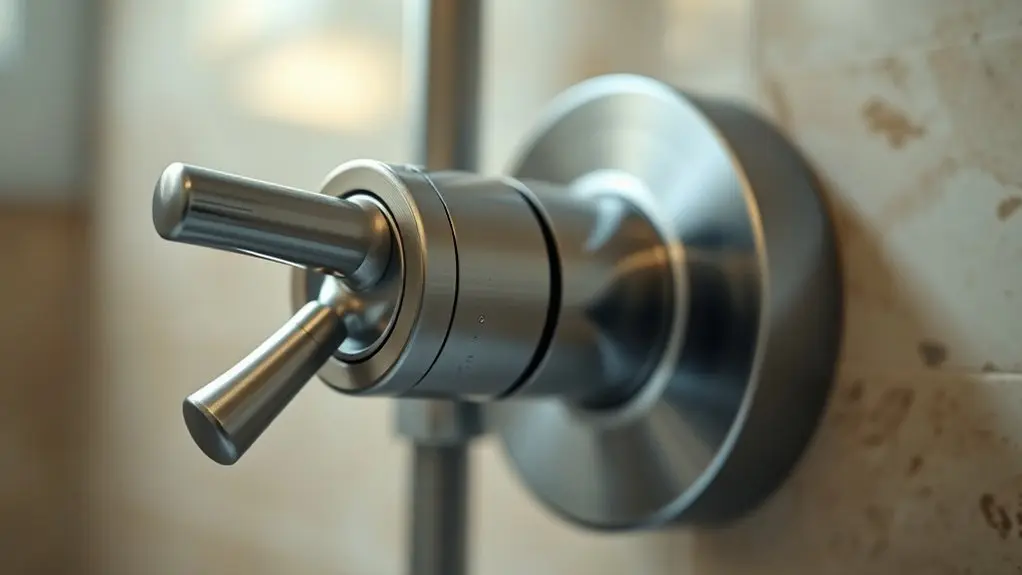
A shower handle controls both the water flow and temperature, giving you precise control over your shower experience. It operates through an internal cartridge or valve that regulates temperature control and water pressure.
Many shower handles incorporate pressure-balancing valves to maintain consistent water temperature, preventing sudden fluctuations. Proper plumbing installation and routine maintenance are essential to avoid leaks and guarantee reliable function over time.
Pressure-balancing valves ensure steady water temperature, while proper installation and upkeep prevent leaks and ensure lasting performance.
You’ll find single-handle or dual-handle designs, each with distinct ergonomic considerations to make operation intuitive and comfortable.
When selecting or servicing a shower handle, focus on the cartridge’s condition and valve performance, as these components directly impact efficiency and safety.
Understanding how the shower handle works helps you maintain a safe, comfortable, and effective shower system.
Common Names for Shower Handles
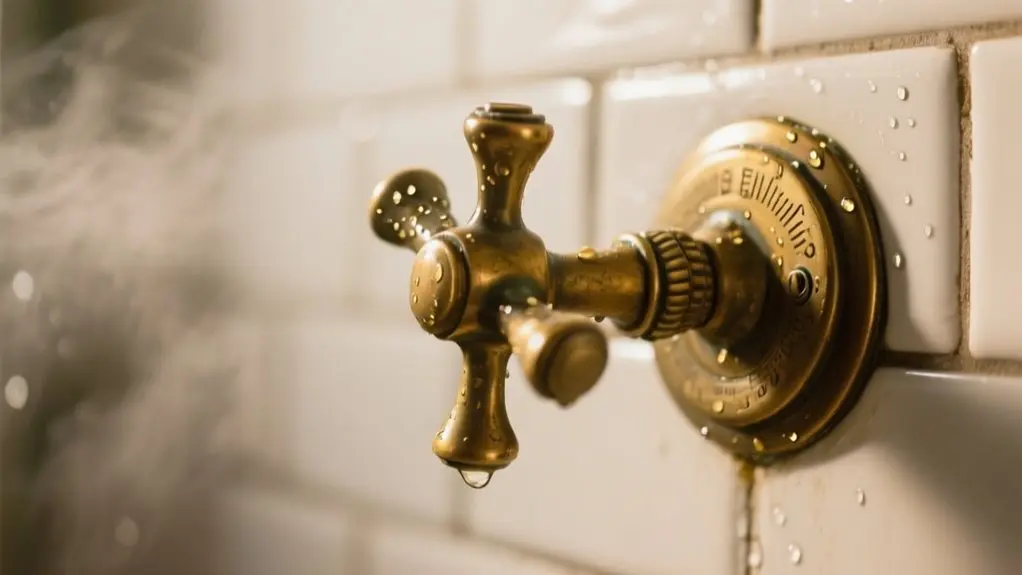
Shower handles go by several names that reflect their function and design. You’ll hear terms like shower control or temperature control lever, which describe their role in adjusting water temperature and flow.
Single-handle faucets combine temperature and volume control into one lever, while dual-handle faucets separate hot and cold adjustments. Diverter handles allow you to switch water flow between tub and shower.
When selecting trim kits, you must guarantee compatibility with rough-in valves. Brass is a common material favored for its durability and corrosion resistance.
| Common Name | Description |
|---|---|
| Shower Control | Adjusts water temperature & flow |
| Temperature Control Lever | Single lever managing temp & volume |
| Diverter Handles | Switches flow between tub & shower |
| Trim Kits | Includes handles; matches decor; fits rough-in valves |
How the Shower Handle Works With the Valve Behind the Wall
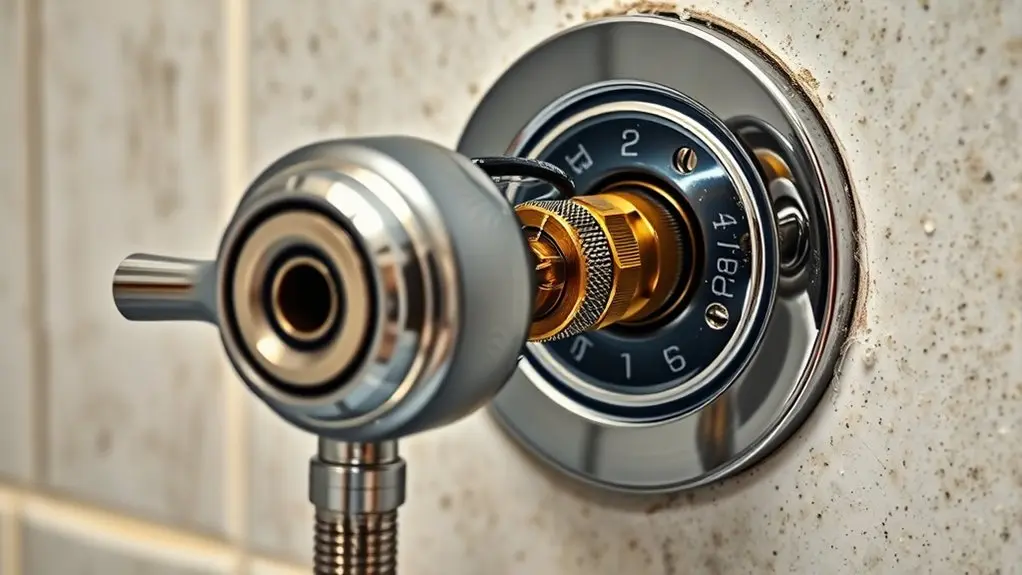
When you turn the shower handle, you’re actually controlling the valve hidden behind the wall. This valve adjusts the internal parts to regulate how much water flows and the temperature.
Basically, it mixes the hot and cold water just right to keep things at the temperature you want.
Knowing how this works can really help when something feels off—like if the handle is stiff or the water temperature changes unexpectedly.
Those are signs there might be a problem with the valve or the cartridge inside.
Handle and Valve Interaction
The handle serves as the user interface that directly controls the valve behind the wall, which mixes hot and cold water to deliver your desired temperature. When you turn the handle, it engages the internal cartridge within the valve, regulating both flow and temperature based on its position.
Most modern handles use a single lever that allows precise adjustments, simplifying operation. The valve often features pressure-balancing technology to maintain consistent water pressure, preventing sudden temperature fluctuations.
If the handle is malfunctioning or loose, it can cause inconsistent flow or temperature, signaling potential valve or cartridge issues.
Regular maintenance of the handle and valve connection is essential to avoid leaks and guarantee smooth operation. Proper care prolongs the system’s lifespan and enhances your shower experience.
Temperature Control Mechanism
When you turn the handle, it directly manipulates the valve’s internal cartridge or thermostatic mechanism to regulate water temperature and flow. The shower handle connects to the valve behind the wall, which mixes hot and cold water precisely based on your adjustments.
Many valves feature pressure-balancing technology, ensuring consistent water temperature even if other fixtures are used simultaneously. The cartridge inside the valve moves to maintain this balance, providing reliable temperature control.
Single-handle shower designs offer ease of use by enabling quick, accurate adjustments.
To keep the system functioning efficiently, regular maintenance is essential; worn cartridges or seals can cause temperature fluctuations or leaks.
Understanding this mechanism helps you troubleshoot issues and maintain consistent comfort during every shower.
Flow Regulation Process
Although it may seem simple, the shower handle plays a critical role by directly manipulating the valve’s internal cartridge to regulate water flow and temperature.
When you turn the shower handle, it moves a stem connected to the cartridge inside the valve, opening or closing water passageways. This precise action controls water flow to the showerhead and adjusts the temperature mix.
In pressure-balancing valves, the handle maintains a stable temperature despite fluctuations in water pressure from other fixtures.
To keep your system efficient, remember:
- Regular maintenance prevents wear that causes leaks or flow issues.
- A worn cartridge often requires replacement to restore smooth handle operation.
- Proper handle function guarantees consistent water flow, temperature, and pressure balance every time you shower.
Single-Handle vs. Dual-Handle Shower Controls
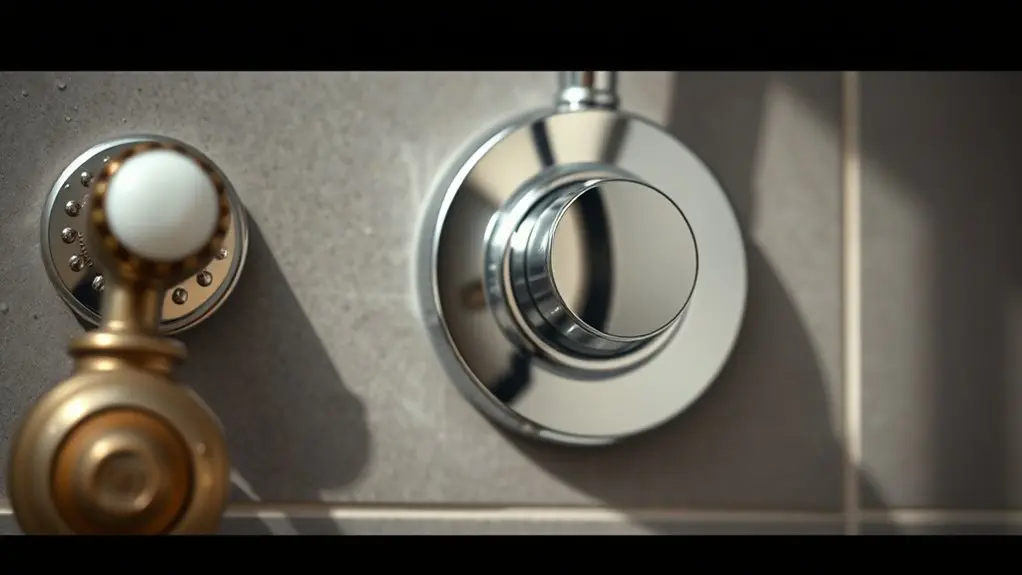
Choosing between single-handle and dual-handle shower controls directly impacts your bathroom’s functionality and user experience.
Single-handle shower controls use one lever to manage both flow and temperature, making them user-friendly and easier to maintain. They comply well with modern plumbing codes, offering efficient operation ideal for households with children or elderly members.
Conversely, dual-handle shower controls separate hot and cold water adjustments, providing precise temperature control favored in traditional bathroom designs.
However, they often cause temperature fluctuations since you must adjust each handle independently, which can be less convenient. Dual-handle systems may also require more maintenance and installation effort.
Ultimately, your choice depends on balancing ease of use, compliance with plumbing codes, and the aesthetic preference for either modern efficiency or classic style.
How the Shower Handle Controls Water Temperature and Flow
You control the water temperature and flow by adjusting the shower handle. Inside the valve, it mixes hot and cold water to give you just the right balance.
Depending on the type of valve, turning the handle can work a little differently. Sometimes, it keeps the water flowing steadily while you change the temperature.
Other times, it automatically sets a precise temperature as you turn it.
Knowing how these mechanisms work helps you manage both water pressure and temperature easily while you’re showering.
Temperature Regulation Mechanism
When you adjust the shower handle, you directly control a cartridge or valve mechanism inside the shower valve body that mixes hot and cold water. This mix helps you achieve your desired temperature and flow.
The temperature regulation mechanism makes sure your shower feels just right by managing this mix precisely.
You’ll encounter two common systems:
- Pressure-balancing valves maintain steady temperature by adjusting for pressure fluctuations in hot and cold water lines.
- Thermostatic valves let you set an exact temperature and automatically balance the hot and cold water to maintain it.
- Single-handle cartridges combine these functions, allowing intuitive control over both temperature and flow with one lever.
This precise interaction between the shower handle and internal cartridge assures comfort and safety during every use.
Flow Control Function
The shower handle directly manages both water flow and temperature by adjusting the mix of hot and cold water through an internal cartridge. When you move the control lever, you change water flow by increasing or decreasing pressure inside the valve.
Its position simultaneously regulates temperature by controlling the ratio of hot to cold water entering the mixing chamber. Most modern shower handles use a pressure-balancing cartridge, which stabilizes temperature against pressure changes elsewhere in the plumbing, preventing sudden temperature fluctuations.
To guarantee consistent performance, regular maintenance is essential. Worn seals or a degraded cartridge can cause leaks, erratic water flow, and temperature swings.
Understanding how your shower handle’s flow control function works helps you troubleshoot issues and maintain peak operation with minimal effort.
Choosing a Shower Handle for Style and Function
Although selecting a shower handle may seem straightforward, choosing one that balances style and function requires careful consideration of design, material, and compatibility.
Shower handles, or trim, come in single, dual, and multifunction styles, each offering distinct ergonomic design benefits.
When selecting a handle, focus on:
- Material and Finish: Opt for durable metals like brass or stainless steel with finishes such as chrome or matte black for enhanced aesthetics.
- Temperature Indicators: Choose handles with clear indicators for precise control and safety.
- Compatibility and Functionality: Verify your handle matches your valve system, whether pressure-balancing or thermostatic, to maintain consistent water temperature and pressure.
Common Problems That Start With the Shower Handle
If you notice inconsistent water temperature or a handle that spins without resistance, you’re likely dealing with a worn cartridge or damaged internal components.
A malfunctioning shower handle often causes temperature fluctuations because it can’t regulate hot and cold water mixing properly.
If the handle turns freely without adjusting water flow, the stem or cartridge probably needs replacement.
Continuous dripping, even when the handle is fully closed, signals a failing seal or cartridge within the valve assembly.
Stiff or hard-to-turn handles usually mean there’s mineral buildup around internal parts, so cleaning or replacement is necessary.
Regular maintenance of the shower handle and its internal parts prevents these issues, ensuring consistent water flow and prolonging the system’s life.
Addressing these problems promptly helps you avoid costly repairs.
When Can You Replace Just the Handle Instead of the Valve?
When should you replace just the shower handle instead of the entire valve? You can opt for a shower handle replacement if the valve body functions properly without leaks or temperature regulation issues.
Consider replacing only the handle when the handle is stiff or hard to turn, yet water flow and temperature remain stable.
Replace the handle if it’s stiff but water flow and temperature stay consistent.
Or if the handle spins freely but doesn’t affect water pressure or temperature, signaling a handle fault, not the valve.
Also, you might want a straightforward task that updates your bathroom without extensive plumbing work.
Before replacement, verify the new handle is compatible with the existing valve’s trim kit to maintain proper aesthetics and functionality.
This targeted approach avoids unnecessary valve body replacement, saving time and cost while keeping your temperature regulation intact.
Frequently Asked Questions
Can I Install a Shower Handle Myself Without Professional Help?
Yes, you can handle shower handle installation yourself by following DIY plumbing tips carefully.
First, turn off the water and use a tools checklist to avoid common mistakes.
Compare handle types for compatibility, and apply safety precautions throughout.
Troubleshooting leaks is easier if you maintain a regular maintenance schedule.
If corrosion or complex plumbing arises, don’t hesitate to consult a pro.
Precision and preparation guarantee a smooth, damage-free installation.
What Tools Are Needed to Remove a Stuck Shower Handle?
Removing a stuck shower handle can feel like battling a giant octopus! For stuck handle solutions, you’ll need essential removal tools: a flathead screwdriver to pry off caps, a Phillips or Allen wrench for screws, pliers for grip, and penetrating oil to loosen corrosion.
A utility knife helps if caulk’s involved.
Understanding shower handle types and common handle issues aids your repair.
Follow handle replacement tips and a handle installation guide for smooth shower repair basics with plumbing tool essentials.
How Do I Clean and Maintain a Metal Shower Handle?
To clean your metal shower handle, use mild cleaning solutions like dish soap mixed with warm water for daily upkeep. Focus on removing water spots.
For tougher stains, vinegar solutions work well.
Maintain it weekly by wiping and polishing with a soft cloth, following polishing techniques guides.
Check for rust regularly and use rust prevention methods promptly.
Tighten screws as needed, and watch for handle replacement signs like looseness or corrosion for proper maintenance frequency.
Are There Eco-Friendly Shower Handles That Conserve Water?
Absolutely, you can choose shower handles combining water-saving technology with eco-friendly materials.
These handles often comply with plumbing regulations and feature adjustable showerhead options to match consumer preferences.
By prioritizing sustainability practices and seeking product certifications, you guarantee energy efficiency without compromising comfort.
Selecting certified eco-friendly handles lets you conserve water effectively, reduce utility bills, and support greener living, making your bathroom both practical and planet positive.
Can a Shower Handle Be Compatible With Multiple Valve Brands?
Yes, shower handle compatibility across valve brand differences is limited but improving. You’ll find universal handle options that fit various valves, though installation challenges like shaft length and mounting style can arise.
Material considerations affect durability, while design aesthetics and performance factors impact your choice. Always check customer reviews to gauge real-world compatibility and functionality.
Opt for universal valves when possible to simplify future upgrades and guarantee better handle fit.
Conclusion
Now that you know the shower handle isn’t just a fancy knob but the command center for your water flow and temperature, you’ll never look at it the same way. It’s not just a handle. It’s the unsung hero keeping your shower perfect.
Choosing the right one and understanding when to replace it can save you from a home plumbing disaster. Seriously, mastering this small part means you’re basically a bathroom superhero.