How Long After Bleaching Well Can I Shower – Quick Answer
You should wait at least 24 hours after bleaching your well before showering. This allows the bleach to disinfect thoroughly and reduces risks like skin irritation or respiratory discomfort.
After waiting, flush all taps for 10-15 minutes to clear residual bleach safely. Showering too soon can cause chemical burns or rashes from leftover bleach on surfaces.
Proper ventilation is also important to minimize fumes. Learn more about safe practices and signs your water is ready for use.
Why You Need to Wait After Bleaching Your Well
Although it might be tempting to use your well water right after bleaching, you should wait at least 24 hours before showering. This waiting period allows the bleach solution to effectively disinfect your water supply by killing any harmful pathogens.
Wait at least 24 hours after bleaching before showering to ensure effective disinfection.
Immediately after treatment, chlorine levels can remain elevated, posing risks like skin irritation or respiratory issues if inhaled during showering. By waiting, you guarantee the bleach solution has time to work thoroughly and reduce those chlorine levels to safer concentrations.
After the 24-hour wait, it’s important to run your taps for 10-15 minutes to flush out any residual bleach before using the water.
Regular testing of your water quality confirms the safety of the chlorine levels, protecting your health during use.
How Long to Wait Before Showering After Bleaching
Because bleach introduces high chlorine levels into your well water, you should wait at least 24 hours before showering to allow the chlorine to dissipate safely.
During this time, avoid using well water for bathing, drinking, or cooking to prevent exposure to residual chlorine.
If the bleach solution you used was stronger than typical household concentrations, consider extending the waiting period up to 48 hours.
To guarantee safety, test your well water for chlorine levels before resuming normal use.
Proper ventilation during the bleach application helps minimize exposure to fumes.
Risks of Showering Too Soon After Bleach Treatment
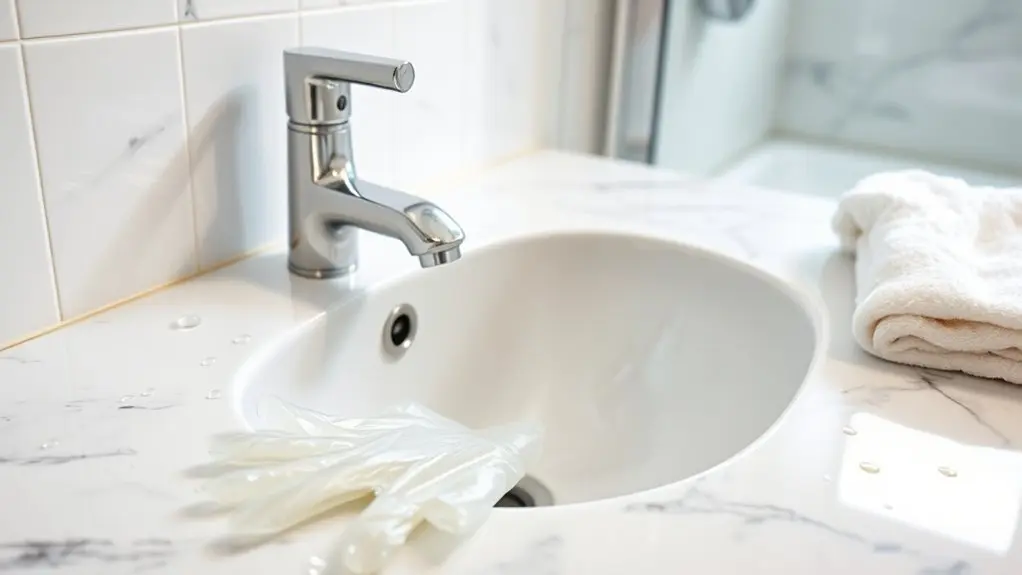
Waiting the recommended time after bleaching your well water is important, but you also need to be cautious about showering too soon after treating bathroom surfaces with bleach.
The risks of showering too soon after bleach treatment include skin exposure to residual bleach, which can cause rashes or chemical burns.
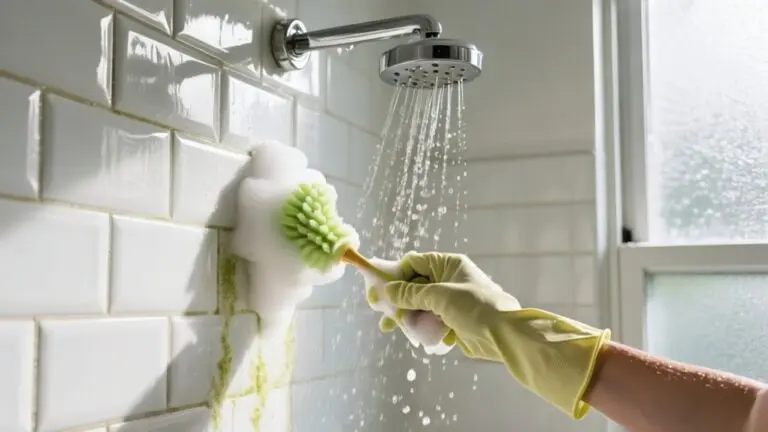
Bleach often lingers on tiles and caulk even after rinsing, so allowing at least 30 minutes to an hour for surfaces to dry reduces these risks.
Moreover, inadequate ventilation can trap bleach fumes, increasing the chance of respiratory irritation if you shower immediately.
To protect yourself, make sure the bathroom is well-ventilated and wait for the chemicals to dissipate fully before using the shower again.
This careful approach minimizes both skin and respiratory risks effectively.
How Does Bleach Kill Germs in Your Well Water?
When you add bleach, primarily sodium hypochlorite, to your well water, it releases chlorine. This chlorine attacks and breaks down the proteins and cell membranes of harmful pathogens. This process effectively neutralizes bacteria, viruses, and other microorganisms that can contaminate your water.
Typically, a bleach concentration of 1-2 ppm is used to guarantee proper disinfection. The chlorine needs about 30 minutes of contact time to kill germs thoroughly. By disrupting the fundamental structures of these pathogens, bleach renders them inactive and safe to remove.
After treatment, you should test your well water to confirm that bacteria are eliminated and bleach levels are safe.
Understanding how bleach disinfects your well helps you maintain clean, germ-free water for your household needs.
How to Flush Bleach Safely From Your Well Water
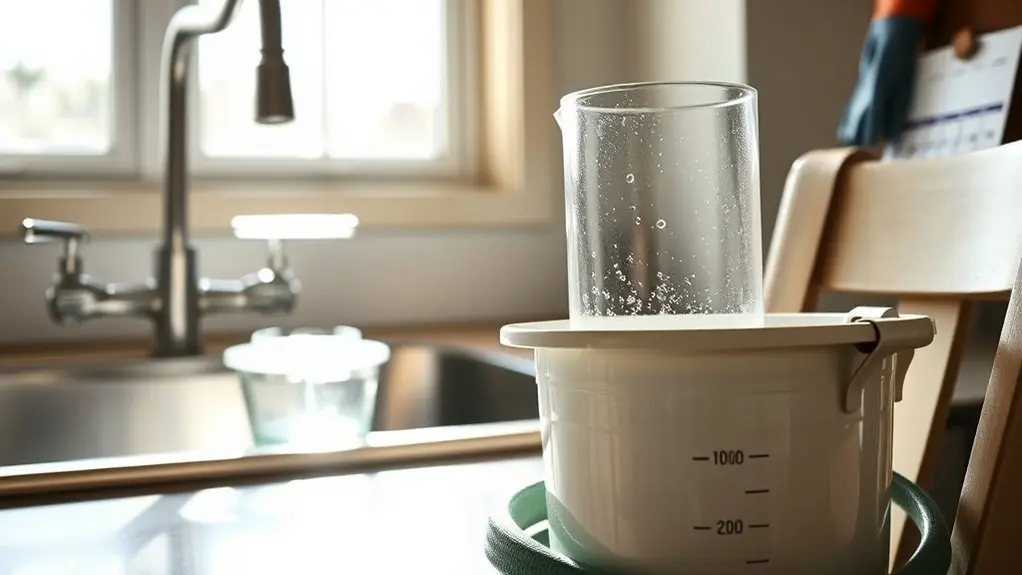
To flush bleach safely from your well water, you should run all taps for at least 30 minutes to thoroughly dilute and expel the bleach from the system.
Avoid using any water from the well during the first 24 hours after bleaching to allow proper flushing.
After this period, use a chlorine test kit to measure chlorine levels, ensuring they fall below 4 ppm for safety.
Regularly monitor your well water quality, especially following treatments, and repeat the flushing process if chlorine levels remain elevated.
How to Tell When Your Well Water Is Safe After Bleaching
After you bleach your well, it’s important to wait at least 24 hours before testing. This gives the chlorine enough time to dissipate properly.
When you do test, use a reliable chlorine test kit to make sure the levels are below 4 mg/L.
Also, pay attention to any lingering bleach smell—it should be gone.
Only after the chlorine levels are safe should you move on to testing for bacteria.
Once those tests come back clear, you can feel confident about resuming your showers.
Chlorine Dissipation Time
Although you might be keen to resume using your well water, you should wait at least 24 hours after bleaching before showering to allow chlorine levels to dissipate safely.
Chlorine gas introduced during shock chlorination gradually reduces in concentration, typically dropping to safe levels within 24 to 48 hours.
To guarantee your water is safe, check that residual chlorine is below 4 parts per million (ppm) before use.
A strong bleach odor or skin irritation during showering signals high chlorine levels, so wait longer if you notice these signs.
After the waiting period, flush your plumbing by running taps for several minutes to remove remaining chlorine gas and water.
This careful approach helps protect your skin and respiratory health while guaranteeing safe well water use after bleaching.
Water Testing Methods
When determining if your well water is safe following bleaching, you should wait at least 24 hours before conducting any tests to allow residual chlorine to dissipate.
After this waiting period, flush your system by running taps for 10-15 minutes to guarantee accurate results.
Then, use a water testing kit to check these critical factors:
- Chlorine levels: Confirm they’re below 4 mg/L to verify the bleach has cleared.
- Coliform bacteria: Test to validate the absence of harmful bacteria; results should be negative.
- Nitrate concentration: Verify levels are under the EPA’s 10 mg/L safety standard.
Safe Re-Entry Indicators
Confirming that your well water is safe after bleaching depends largely on monitoring chlorine levels. Safe re-entry indicators focus on chlorine concentration, which should drop below 4 parts per million (ppm) before you shower.
To accurately assess this, use a reliable water testing kit. If your test shows chlorine concentration at 0.5 ppm or lower, it’s safe to shower. A strong chlorine odor after 24 hours suggests elevated chlorine levels, meaning you should wait longer.
For drinking water, wait at least 48 hours post-bleaching to guarantee safety. Continuous monitoring with a water testing kit over a week confirms water quality stability.
Following these safe re-entry indicators helps you avoid exposure to excessive chlorine and guarantees your well water is safe for regular use.
Tips to Reduce Skin and Respiratory Irritation After Bleaching
To reduce skin and respiratory irritation after bleaching, start by making sure your bathroom is well-ventilated. Open the windows and run the exhaust fans to help clear out those strong fumes.
Next, if your skin feels irritated, rinse it thoroughly with cool water. This helps wash away any leftover bleach. After that, apply a moisturizer to soothe and calm your skin.
Also, when you’re handling bleach, it’s a good idea to wear gloves and safety glasses. This protects your skin and helps minimize the chances of breathing in any harmful fumes.
Ventilation and Airflow
Although bleach is effective for cleaning, you should prioritize ventilation and airflow to reduce skin and respiratory irritation. Proper ventilation helps dissipate harmful fumes and prevents prolonged exposure to irritants.
After bleaching, keep your bathroom well-ventilated by opening windows and running exhaust fans to expel bleach vapors. Maintain airflow for at least 30 minutes to minimize lingering odors. You can also use a fan to enhance circulation and decrease vapor concentration.
Avoid staying in closed spaces immediately after bleaching, as this can cause discomfort. By focusing on ventilation, you’ll reduce the risk of respiratory issues and skin irritation, making your space safer and more comfortable.
Always guarantee that air moves freely to effectively clear out bleach fumes before you shower or spend extended time in the area.
Skin Protection Measures
Maintaining good ventilation helps reduce exposure to bleach fumes, but protecting your skin and respiratory system directly is just as important.
Implement effective skin protection measures by always wearing rubber or nitrile gloves to prevent irritation and chemical burns.
Use safety glasses or goggles to shield your eyes from splashes and fumes, especially in enclosed spaces.
After bleaching, rinse your skin thoroughly with cool water to remove any residue that could cause irritation.
If you experience any skin discomfort or respiratory issues, move to fresh air immediately and seek medical attention if symptoms persist.
These skin protection measures will minimize irritation and safeguard your health while handling bleach, ensuring you can maintain comfort and safety after bleaching.
When Should You Contact a Professional After Bleaching Your Well?
How do you know when it’s time to call a professional after bleaching your well? If issues persist beyond the recommended contact time, don’t hesitate to seek expert help.
You should contact a professional if you notice persistent chemical odors or unusual taste in your water. This could signal incomplete rinsing or contamination.
Also, if discolored or cloudy water lasts longer than expected, it might indicate safety concerns.
Be alert to any adverse health reactions like skin irritation or respiratory problems after exposure to the water.
Professionals can test your water for bacteria and chlorine levels to confirm it’s safe to use.
They also assess any potential damage to your well system caused by bleaching, ensuring your water quality and well integrity remain intact.
Common Bleach Mistakes to Avoid in Well Water
If you skip testing your well water before bleaching, you risk damaging the beneficial bacteria that naturally treat your water.
One common mistake is applying bleach without knowing your water’s quality, which can lead to over-chlorination and harm essential microbes.
Always use properly diluted bleach; a typical ratio is 1 part bleach to 10 parts water to guarantee safe disinfection.
After adding bleach, wait at least 24 hours before showering or using the water.
Also, flush all faucets for 10-15 minutes to remove residual chlorine.
Avoid skipping these steps, as residual bleach can cause skin irritation or damage plumbing.
Finally, regularly test your well water post-bleaching to monitor water safety and quality, preventing long-term issues.
Frequently Asked Questions
Can I Use Bleach to Disinfect Other Parts of My Plumbing System?
Yes, you can use bleach to disinfect other parts of your plumbing system, but you must prioritize plumbing safety.
Dilute bleach properly, typically one cup per five gallons of water, and avoid using it on rubber or plastic components to prevent damage.
After applying, let it sit for at least 30 minutes, then flush thoroughly with water.
Always guarantee good ventilation to protect yourself from harmful fumes while maintaining your plumbing’s integrity.
How Often Should I Bleach My Well for Maintenance?
You should bleach your well every 6 to 12 months to maintain clean water and prevent bacteria growth.
If you prefer, consider bleach alternatives like hydrogen peroxide or UV disinfection. These can be effective but might require professional installation.
Regular testing after treatment is vital. If your water quality drops or odors appear, perform maintenance sooner.
Sticking to a consistent schedule guarantees safe, reliable water for your household needs.
Does Bleaching Affect the Taste of My Drinking Water?
Yes, bleaching does affect the taste of your drinking water. When you add chlorine to maintain water safety, you might notice a strong chlorine flavor and odor.
Fortunately, this usually fades once you flush your system thoroughly by running taps for 15-30 minutes.
Water safety remains the priority, so keep testing to guarantee chlorine levels drop below safe limits, preserving both safety and taste in your well water.
What Type of Bleach Is Safest for Well Water Treatment?
You should use unscented, household bleach with 5-6% sodium hypochlorite for well water treatment, as it’s the safest and most effective option.
Avoid bleach alternatives that contain fragrances or additives since they can introduce harmful chemicals.
While some explore bleach alternatives like hydrogen peroxide or UV treatment, these require special equipment and expertise.
Sticking to standard bleach guarantees proper disinfection without risking your water quality or safety.
Can Bleaching My Well Harm the Environment or Nearby Plants?
Bleaching your well can cause an environmental impact so big it might seem like a tidal wave hitting your backyard!
You need to use bleach sparingly because excessive sodium hypochlorite can harm aquatic ecosystems and nearby plants by contaminating soil and groundwater.
Always allow 24-48 hours for chlorine to dissipate and monitor water quality closely.
That way, you protect your environment while keeping your well water safe and healthy.
Conclusion
After bleaching your well, patience is your best ally. Think of it as letting the water breathe before you jump back in. Waiting at least 24 hours before showering guarantees the bleach has done its job and flushed out safely.
Rushing it risks skin irritation and respiratory issues. Follow proper flushing guidelines, test your water, and when in doubt, call a professional. Taking these steps keeps your water clean and your health protected.