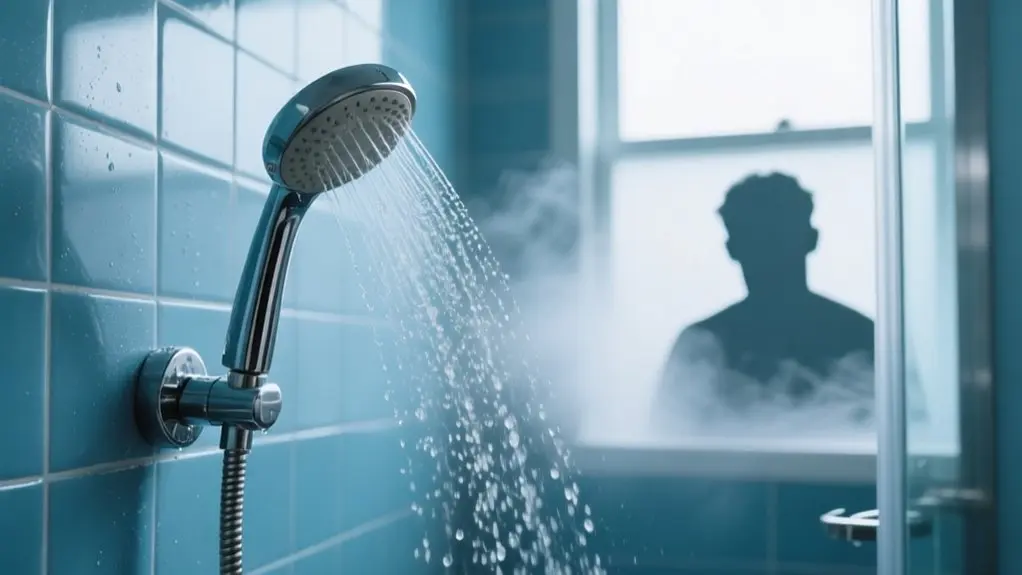
Why Is My Shower Water Cold – What’s Behind It
Your shower water turns cold mainly due to issues with your water heater, like a faulty thermostat, sediment build-up, or an undersized tank that can’t meet your household’s hot water demand. A broken or improperly adjusted mixing valve can also cause temperature fluctuations.
Plumbing problems such as leaks, old corroded pipes, and clogged fixtures further disrupt hot water flow. Understanding these factors helps you quickly pinpoint the problem and explore practical fixes to restore consistent warmth.
How to Quickly Diagnose Why Your Shower Water Is Cold
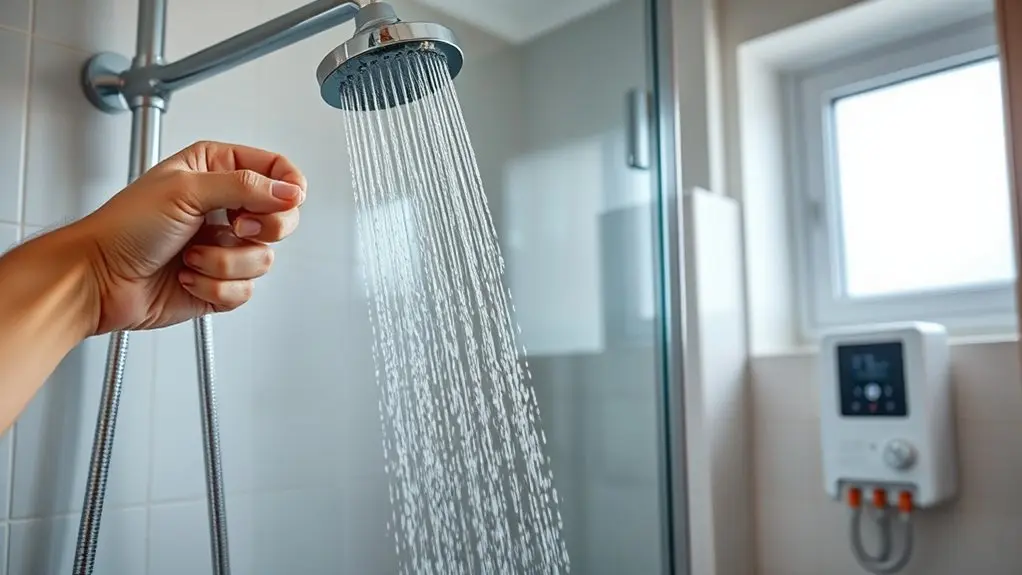
When your shower water suddenly turns cold, where should you start troubleshooting?
Begin by checking the water heater. It might’ve blown fuses, a malfunctioning thermostat, or sediment build-up affecting hot water delivery.
Next, inspect the mixing valve, which controls the balance of hot and cold water. A faulty or improperly adjusted valve can restrict hot water flow.
Also, consider if your water heater is undersized for your household’s demand, especially during peak usage.
Leaks in the plumbing system can divert hot water, causing cold water at the showerhead. So look for any visible signs.
Finally, evaluate if multiple fixtures run simultaneously, reducing hot water pressure.
If these steps don’t resolve the issue, contact professional plumbing services for a precise diagnosis and repair.
Why Your Water Heater May Be Causing Cold Showers
If checking your mixing valve, plumbing leaks, and simultaneous fixture usage doesn’t solve the cold shower issue, your water heater likely needs closer inspection. A faulty thermostat can prevent proper heating, while sediment build-up in the tank reduces efficiency, causing hot water to deplete quickly.
A broken dip tube may also mix cold water into the hot supply, leading to inconsistent temperatures.
| Issue | Cause | Effect |
|---|---|---|
| Thermostat Failure | Incorrect heating temp | Cold water in shower |
| Sediment Build-up | Reduced heat transfer | Hot water runs out fast |
| Broken Dip Tube | Water mixing inside tank | Temperature fluctuation |
Regular maintenance, including flushing the tank and inspecting components, keeps your water heater functioning effectively.
How Water Heater Size Affects Your Hot Water Supply
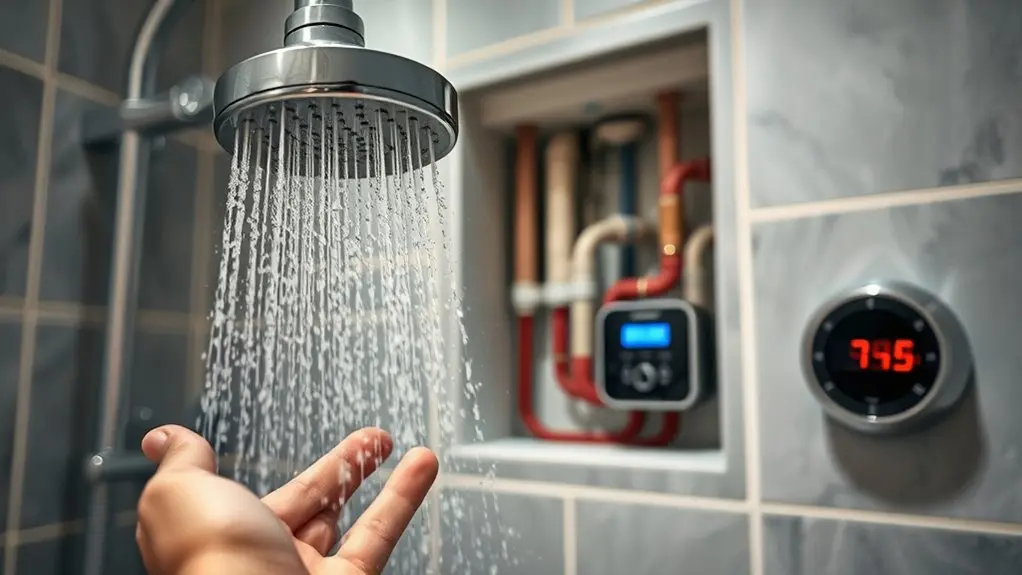
Three key factors determine whether your water heater can supply enough hot water for your household needs: tank size, daily consumption, and simultaneous usage of fixtures.
If your water heater’s tank is too small, it won’t meet peak demand like multiple showers or a washing machine running at the same time. This can cause cold water in your plumbing.
A small tank can’t handle peak demand, leading to cold water during multiple simultaneous uses.
A typical shower uses about 27 gallons, while average daily household hot water consumption can reach 64 gallons, so sizing matters. Evaluating your household’s hot water patterns helps guarantee your water heater matches your needs.
Proper sizing reduces cold water interruptions, especially when mixing valves blend hot and cold water for showers.
Upgrading to a correctly sized water heater supports consistent hot water flow and ideal plumbing performance.
How a Faulty Shower Mixing Valve Causes Cold Water
Although your water heater may be functioning properly, a faulty shower mixing valve can cause cold water to suddenly flow during your shower. The shower mixing valve controls the blend of hot and cold water, so if it’s defective, it restricts hot water flow, leading to temperature fluctuations.
Sediment build-up inside the valve can obstruct water pathways, worsening inconsistent temperatures. Older valves without pressure-balancing features are especially vulnerable when other fixtures run, causing sudden cold bursts.
Furthermore, if the valve’s safety limit is set too low, it prevents enough hot water from reaching the showerhead.
To fix this, you can adjust or replace the mixing valve, which restores proper hot water flow and stabilizes temperature, improving your overall shower experience.
Could Gas or Electrical Problems Be Making Your Shower Cold?
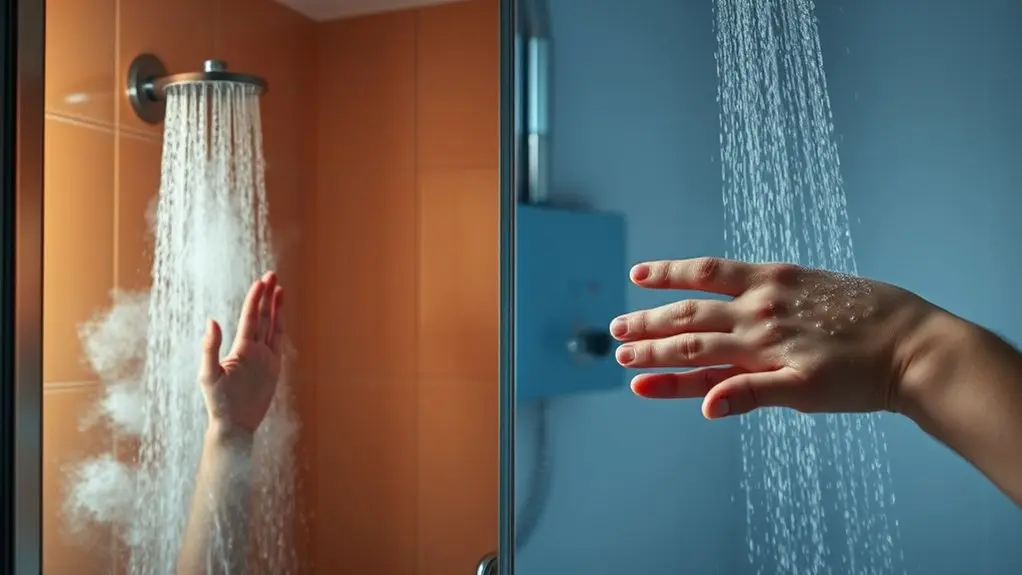
When your shower water suddenly turns cold, gas or electrical issues with your water heater might be the culprit.
For gas water heaters, a common problem is the pilot light going out, which stops the burner from heating water. If the pilot light won’t stay lit, you’ll need to relight it or call a professional for repair.
A pilot light going out stops the burner from heating water; relight it or call a professional.
Electrical problems can also cause cold showers by interrupting power to electric water heaters. Frayed wires or shorts can disable the heating element.
Furthermore, a malfunctioning thermostat may prevent the water heater from reaching the set temperature, leaving your water cold.
Regular maintenance of gas piping and electrical components is vital to avoid these issues. If you suspect gas or electrical faults, seek professional help to guarantee safety and restore proper function.
How Leaks, Old Pipes, and Clogged Fixtures Cool Your Shower
If your shower water feels colder than usual, leaking pipes, aging plumbing, or clogged fixtures could be reducing the flow of hot water to your showerhead.
Leaks divert hot water away, lowering water temperature and increasing your water bill due to unnoticed losses.
Old pipes often corrode or suffer improper configurations, causing inconsistent hot water flow and temperature fluctuations.
Clogged fixtures, typically from mineral buildup in hard water areas, restrict water flow, making it hard to maintain consistent warmth.
Moreover, airlocks trapped in old pipes can disrupt flow, causing sudden temperature drops when multiple outlets run simultaneously.
These issues directly impact water temperature at your shower, emphasizing the importance of identifying leaks, inspecting old pipes, and addressing clogged fixtures to understand why your shower feels cold.
How to Fix Cold Showers and Prevent Them in the Future
You can fix cold showers by keeping up with your water heater maintenance. That means regularly flushing it to stop sediment from building up and making sure it’s the right size for your home.
Another thing you might want to try is adjusting or replacing the shower mixing valve. This can really help improve the flow of hot water and give you better control over the temperature.
Also, upgrading your plumbing system with pressure-balancing valves can make a big difference.
Don’t forget to check for leaks too—these little issues can cause temperature problems down the line. Taking these steps will help you avoid cold showers in the future.
Water Heater Maintenance Tips
Although cold showers can be frustrating, maintaining your water heater properly can solve and prevent these issues. Regularly flush your water heater to clear sediment, inspect and adjust the thermostat to around 120°F, and check the dip tube for damage. These steps guarantee consistent temperature and efficient heating.
Faulty mixing valves disrupt the balance of hot and cold water, so have a professional examine and replace them if needed.
| Maintenance Task | Purpose |
|---|---|
| Flush water heater | Remove sediment buildup |
| Adjust thermostat | Maintain ideal temperature (~120°F) |
| Inspect dip tube | Prevent cold water mixing with hot water |
| Replace mixing valve | Guarantee proper hot/cold water balance |
| Consider tankless unit | Provide hot water on demand, avoid shortages |
Adjusting Shower Mixing Valve
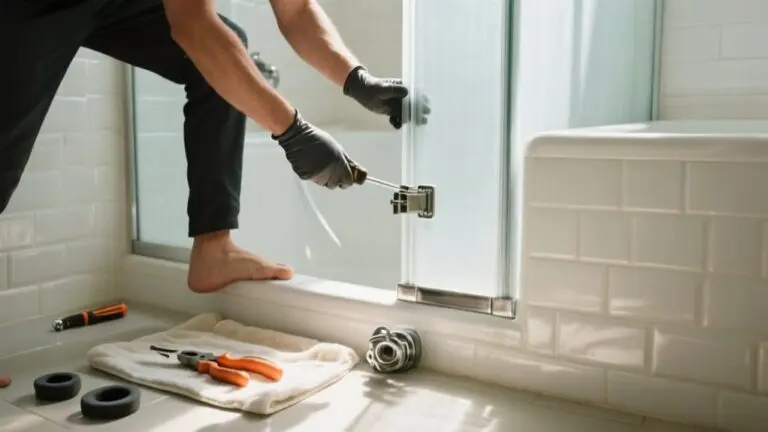
When cold water interrupts your shower, adjusting the shower mixing valve‘s rotational stop limit can often restore consistent hot water flow. Many mixing valves have a built-in safety limit restricting hot water to prevent scalding. By turning the adjusting ring counterclockwise, you increase this limit, allowing more hot water through your plumbing fixtures.
Regular maintenance is essential. Sediment buildup or wear can cause leaks and poor mixing, resulting in cold water bursts.
To fix and prevent cold showers:
- Turn the valve’s stop limit counterclockwise to boost hot water flow
- Clean the mixing valve periodically to remove sediment
- Replace the valve if adjustments don’t improve hot water delivery
Properly adjusting the shower mixing valve guarantees reliable hot water and better shower comfort.
Upgrading Plumbing System
Since inconsistent shower temperatures often stem from outdated or insufficient plumbing components, upgrading your plumbing system offers a reliable solution to fix and prevent cold showers. You can improve water pressure and flow by replacing old pipes with modern materials, ensuring your shower performs efficiently.
Installing a thermostatic mixing valve balances hot and cold water inputs, stabilizing temperature. Consider upgrading to a tankless water heater or adding point-of-use heaters near fixtures for instant hot water delivery.
| Upgrade Component | Benefit | Impact on Shower |
|---|---|---|
| Tankless Water Heater | Continuous hot water supply | Eliminates cold water spikes |
| Thermostatic Valve | Balances temperature | Prevents sudden drops |
| Modern Piping | Improves water flow & pressure | Enhances shower consistency |
| Point-of-Use Heaters | Reduces heat loss | Instant hot water delivery |
Frequently Asked Questions
Can Seasonal Weather Changes Affect My Shower Water Temperature?
Yes, seasonal impacts can cause temperature fluctuations in your shower water.
Climate effects, like colder outdoor temperatures, lower the water supply temperature entering your home. This makes your water heater work harder to maintain warmth.
Plus, uninsulated pipes lose more heat during cold months, resulting in colder showers.
To counter this, you might need to adjust your water heater settings or improve pipe insulation to guarantee consistent water temperature year-round.
Does Taking Multiple Showers in a Row Reduce Hot Water Availability?
You’ll find that taking multiple showers in a row can greatly reduce hot water availability since one shower uses about 27 gallons of hot water.
High shower frequency strains your hot water tank, causing temperature fluctuations as the tank struggles to recover.
Plumbing issues like sediment buildup worsen this.
To maintain consistent heat, consider upgrading or spacing showers to allow the tank to replenish hot water effectively, preventing cold surprises.
Can Water Softeners Impact Shower Water Temperature?
Yes, water softeners can impact your shower water temperature. Different softener types affect water pressure and heating efficiency, sometimes causing cooler water.
If your softener isn’t calibrated correctly, it may mix cold water improperly or reduce heating efficiency by altering mineral content.
Plumbing issues related to sediment buildup or valve adjustments also play a role.
Regular system maintenance guarantees your water softener doesn’t disrupt temperature balance in your shower.
Is It Normal for Shower Water to Be Colder on Upper Floors?
Think of your hot water as a marathon runner climbing stairs. It naturally loses energy going up.
Yes, it’s normal for shower water to be colder on upper floors because hot water has to travel farther, facing plumbing issues like heat loss and reduced water pressure.
These factors can disrupt the balance of hot water delivery.
You might need pressure-balancing valves or local heaters to guarantee consistent hot water on higher levels.
How Do Different Showerhead Types Influence Water Temperature?
Different showerhead types impact water temperature by altering water flow and shower pressure.
For example, rain showerheads often have lower flow rates, which can reduce heat delivery. Meanwhile, handheld heads might provide more direct, concentrated flow, improving warmth.
Head design affects how water mixes and distributes, influencing temperature regulation.
Pressure-balancing features in some designs maintain consistent temperature despite pressure changes. This helps you avoid sudden cold bursts during your shower.
Conclusion
If your shower water feels cold, don’t ignore it. Like a car warning light, it signals an underlying issue. Check your water heater’s size, condition, and settings first.
Inspect mixing valves, pipes, and potential leaks. Gas or electrical problems could also be the culprit.
Fixing these promptly guarantees consistent hot water and prevents bigger headaches. Stay proactive, and your shower will run warm and steady, just like it’s supposed to.