Why Does My Kohler Toilet Randomly Run – The Real Story
Your Kohler toilet randomly runs because worn flappers, improper float adjustments, or faulty fill valves disrupt how the flush system balances water flow. A worn flapper can fail to seal properly, causing leaks that trigger continuous water cycling.
If the float sits too high, water spills into the overflow tube, repeatedly activating the fill valve. These common issues waste water and increase bills. Understanding these factors helps you identify and fix the problem for lasting performance.
How Your Kohler Toilet’s Flush System Works
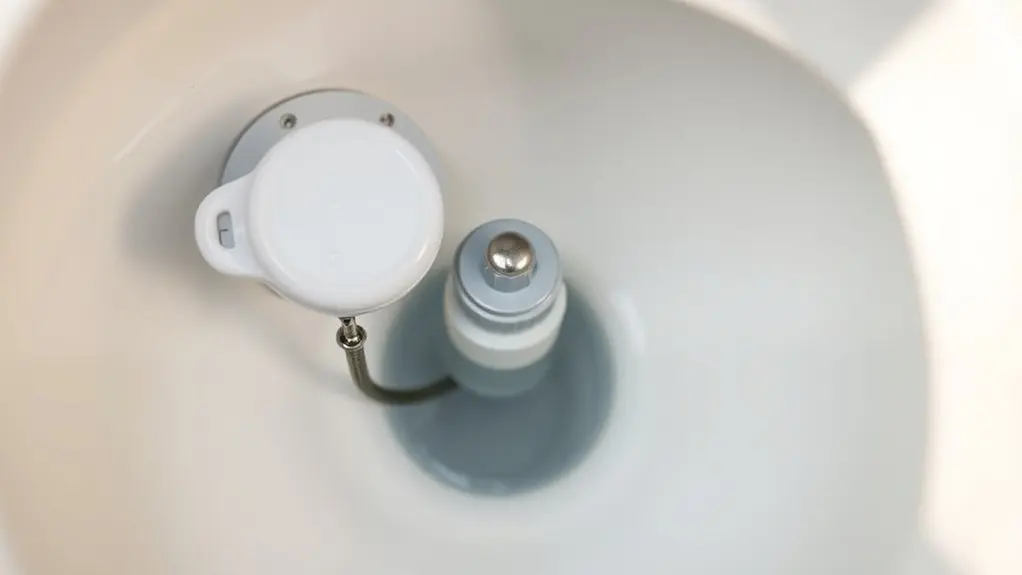
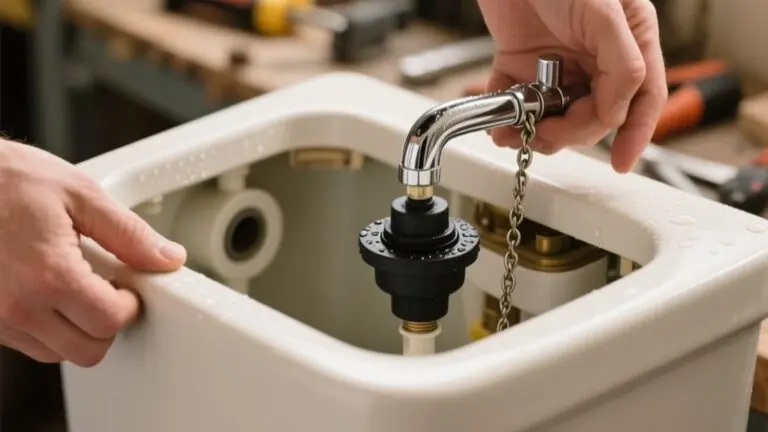
Understanding how your Kohler toilet’s flush system works is essential to diagnosing why it might randomly run. When you press the trip lever, it lifts a chain connected to the flapper, which opens the flush valve. This allows water to flow from the tank into the bowl.
Once the flush completes, the flapper seals the flush valve, stopping water from leaking into the bowl and letting the tank refill. As the water level drops, the fill valve opens, and the float rises with the filling water until it reaches the correct level, then closes the valve.
The overflow tube safeguards against tank overflow by directing excess water into the bowl.
If the flush valve or flapper isn’t sealing perfectly, water can leak, causing your Kohler toilet to run unexpectedly.
Common Causes of Kohler Toilet Running Issues
Several factors can cause your Kohler toilet to run randomly, often linked to the components inside the tank. An improperly adjusted float or fill valve may let water rise too high, overflowing into the flush valve tube and triggering intermittent running.
If the trip lever chain is too tight or binding, it won’t lift the flapper fully, causing water to leak and the fill valve to run. Debris or mineral buildup can also obstruct the flapper’s seal, leading to sporadic water flow.
While a worn flapper is a known issue, other causes include these adjustments and blockages.
Regular maintenance, such as inspecting and replacing worn parts, guarantees your toilet randomly run problems stay minimal and your Kohler toilet functions reliably.
Why a Worn Flapper Causes Your Kohler Toilet to Run
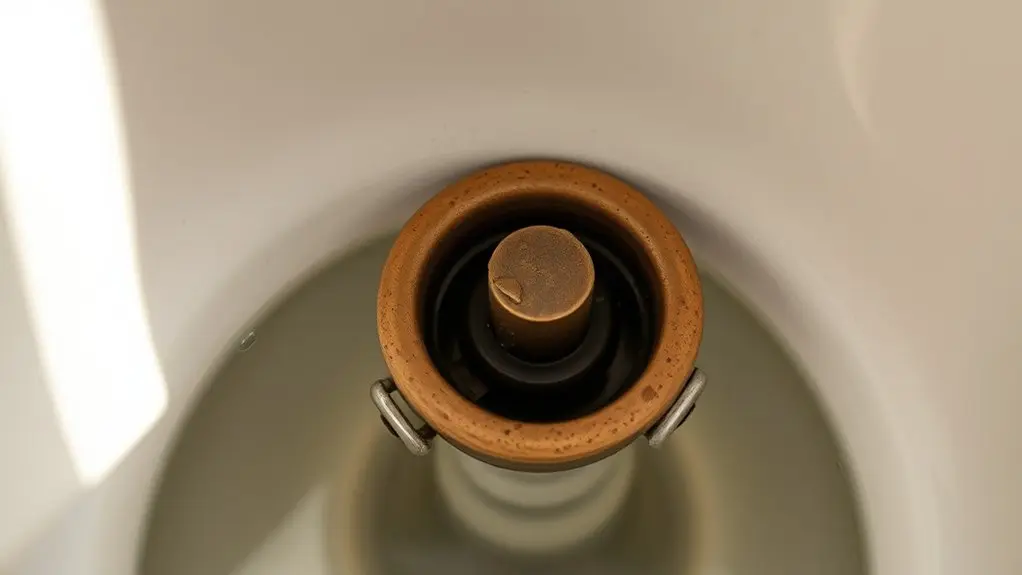
Why does your Kohler toilet keep running even when it seems like everything is fine? A worn flapper is often the culprit. Over time, the flapper degrades and fails to create a proper seal, allowing water to leak from the tank into the bowl.
This leak lowers the water level, prompting the fill valve to activate and refill the tank, causing your toilet to run intermittently. Since the flapper controls water flow, any wear considerably impacts your toilet’s efficiency and can increase your water bill.
Fortunately, inspecting the flapper regularly helps catch this issue early.
Replacing a worn flapper is usually a simple and inexpensive fix that stops the random running and restores proper function to your Kohler toilet.
How the Kohler Toilet Overflow Tube Causes Water Loss
While a worn flapper often causes your Kohler toilet to run, another common issue lies with the overflow tube inside the tank. The overflow tube acts as a safety feature, directing excess water into the bowl to prevent spills.
If the water level is set too high, water continually flows into the overflow tube, triggering the fill valve to run frequently. This constant activation wastes water and raises your utility bills.
To fix this, you need to check the water level and guarantee it stays below the top of the overflow tube. Adjusting the float or fill valve lowers the water level, stopping excess water flow into the overflow tube and eliminating those random running sounds.
This simple adjustment saves water and keeps your toilet running efficiently.
Is the Kohler Toilet Fill Valve Causing Your Toilet to Run?
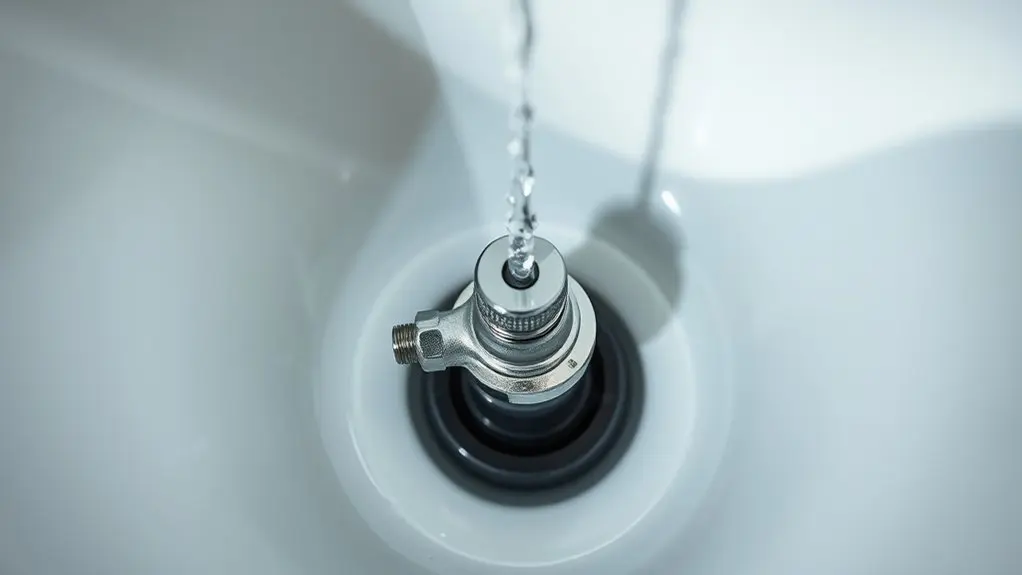
How can your Kohler toilet’s fill valve cause it to run unexpectedly? The fill valve controls water flow into the tank, and if it malfunctions due to improper sealing or wear, it can let water flow continuously.
This constant flow may cause visible water movement or noise even when the toilet isn’t in use. You might need to adjust the float mechanism on the fill valve to stop water from spilling into the flush valve overflow tube.
If adjustments don’t fix the problem, replacing the fill valve is often necessary.
Regularly inspecting the fill valve and its components helps you catch early signs of wear, preventing ongoing running issues and avoiding increased water bills caused by a faulty fill valve.
How Incorrect Water Levels Trigger Kohler Toilet Cycling
Incorrect water levels in your Kohler toilet can cause the fill valve to cycle on and off randomly, leading to the toilet running unexpectedly. When the water level is too high, water flows into the overflow tube, triggering the fill valve to react unnecessarily.
Conversely, a water level set too low prompts the valve to refill more frequently. You need to maintain the water level about 1 inch below the overflow tube’s top to prevent cycling and reduce wear on parts.
To control this issue:
- Monitor the water level during tank operation
- Adjust the float to set the correct water level
- Avoid water overflowing into the overflow tube
- Inspect for unstable water levels indicating potential repairs
Proper water level adjustment guarantees efficient Kohler toilet performance and reduces running problems.
Common Installation Issues That Cause Kohler Toilet Leaks
You’ll want to check the flapper alignment first.
Even a slight misplacement can keep it from sealing properly and cause leaks.
After that, take a look at the fill valve to make sure it’s adjusted correctly.
If it’s not set right, it can lead to constant refilling and running water.
Fixing these common installation issues can really help stop your Kohler toilet from running randomly.
Incorrect Flapper Alignment
Why does your Kohler toilet keep running sporadically? One common culprit is incorrect flapper alignment. If the flapper isn’t properly positioned, it won’t seal the flush valve opening completely. This causes water to leak into the bowl, triggering the fill valve to turn on repeatedly.
Ensure your flapper has a slight upward tilt at the hinge to create a watertight seal. Misalignment can cause gaps, preventing the flapper from closing fully and wasting water.
The good news? This is an easy, inexpensive fix you can do yourself.
Key points to check include:
- Flapper’s position relative to the flush valve
- Slight upward tilt at the hinge
- Absence of gaps between flapper and valve
- Regular inspection to prevent leaks
Proper flapper alignment stops random running efficiently.
Misadjusted Fill Valve
When the fill valve isn’t adjusted correctly, your Kohler toilet can develop inconsistent water levels that cause the tank to refill too often. This leads to random running. If the fill valve is set too high, water overflows into the overflow tube, triggering continuous refilling.
You should align the fill valve height with the marked line to maintain the proper water level. Regularly adjusting the float mechanism prevents excess water flow and random running. Also, check that the fill valve operates without obstructions and the shutoff valve controls water entry effectively.
| Issue | Solution |
|---|---|
| Fill valve set too high | Lower to marked water level |
| Overflow into tube | Adjust valve height |
| Float misadjusted | Fine-tune float mechanism |
| Valve obstruction | Clear debris, check shutoff valve |
When to Replace Flapper Seals, Gaskets, and Flush Valve Parts
You should replace flapper seals every 3 to 5 years, or even sooner if you notice they’re warping or becoming brittle.
It’s a good idea to keep an eye on the gaskets and flush valve parts too.
If your toilet is running constantly or leaking, those parts might be wearing out from age and water exposure.
Regularly checking these components can help you catch problems early and keep your flush valve working properly.
Flapper Seal Wear
Although flapper seals are designed to create a watertight closure, they naturally degrade over time due to constant water exposure. This can cause your Kohler toilet to run intermittently. When the flapper wears out, it no longer seals the flush valve tightly, allowing water to leak from the tank into the bowl.
You should replace the flapper if you notice visible wear, discoloration, or if it fails to close completely after flushing.
Keep in mind that rubber flappers wear faster in hard water, so silicone alternatives may last longer. Regularly inspect gaskets and flush valve parts, as damaged components can worsen leaks or cause continuous running.
- Check flapper for cracks or warping
- Look for discoloration indicating wear
- Replace flapper if flush valve doesn’t seal
- Inspect gaskets and flush valve parts routinely
Flush Valve Maintenance
Flapper seals play an important role in preventing your Kohler toilet from running randomly, but they’re not the only parts that need attention.
Regular flush valve maintenance is vital to keep your toilet functioning properly.
Over time, flapper seals and gaskets can degrade, causing leaks that trigger random running. You should inspect these components frequently and replace them as soon as you notice wear or improper sealing.
Don’t forget to check fill valve gaskets too, since leaks here can cause the fill valve to run intermittently.
When replacing parts, make sure flush valve components match your specific Kohler model to maintain peak performance.
Routine cleaning and timely replacement of flush valve parts extend your toilet’s lifespan and prevent water waste effectively.
Frequently Asked Questions
How Often Should I Perform Maintenance on My Kohler Toilet?
You should perform maintenance on your Kohler toilet at least every six months. Doing this helps you catch wear on parts like the flapper and flush valve early, preventing leaks and random running.
Regularly clean internal components, check for mineral buildup, and adjust the water level to stay below the overflow tube.
Keeping detailed records of your maintenance and replacements also guarantees your toilet runs smoothly and lasts longer.
Can Hard Water Affect My Kohler Toilet’s Performance?
Yes, hard water can affect your Kohler toilet’s performance by causing mineral buildup on key parts like the flush valve and seals.
This buildup leads to leaks and makes your toilet run randomly. You’ll notice decreased flushing efficiency and potential discoloration in the bowl.
To keep things running smoothly, clean the internals regularly and use descaling agents. Staying proactive helps prevent damage and extends your toilet’s lifespan.
Are Kohler Toilet Parts Compatible With Other Brands?
Kohler toilet parts generally aren’t compatible with other brands because they’re designed specifically for Kohler models.
While some universal parts like flappers or fill valves might fit, you’ll need to double-check sizes and specifications to be sure they fit properly.
Using OEM Kohler parts guarantees better performance and durability.
If you consider aftermarket or other brands’ parts, be cautious because they mightn’t last as long or work effectively in your Kohler toilet.
What Tools Do I Need for Basic Kohler Toilet Repairs?
You don’t need a mechanic’s toolbox to fix your Kohler toilet. Just a flathead screwdriver to adjust the trip lever and remove the tank lid.
Pliers come in handy for tightening valves, while a repair kit with flappers and seals tackles leaks like a pro.
Keep a bucket or sponge nearby for inevitable spills, and a level to set the water just right.
Simple tools for a throne fit for royalty!
How Can I Reduce Noise From My Kohler Toilet Flush?
You can reduce noise from your Kohler toilet flush by adjusting the fill valve to lower the water level so it doesn’t overflow into the tube.
Make sure the flapper seals tightly and isn’t worn out, which prevents constant water flow.
Consider installing a quieter fill valve designed for silent operation.
Also, placing sound-dampening materials around the toilet helps absorb noise and creates a much quieter bathroom environment.
Regular maintenance keeps parts functioning smoothly.
Conclusion
Think of your Kohler toilet like a finely tuned orchestra. When one instrument, like the flapper, goes out of sync, the whole performance suffers. Just as a worn flapper can cause your toilet to run endlessly, a single misaligned part disrupts the system.
By understanding these common issues and addressing them promptly, you’ll keep your toilet running smoothly. This helps you avoid those annoying, wasteful water leaks that can quietly drive up your bills.