Does Shower Water Go To Septic Tank – Myth or Fact
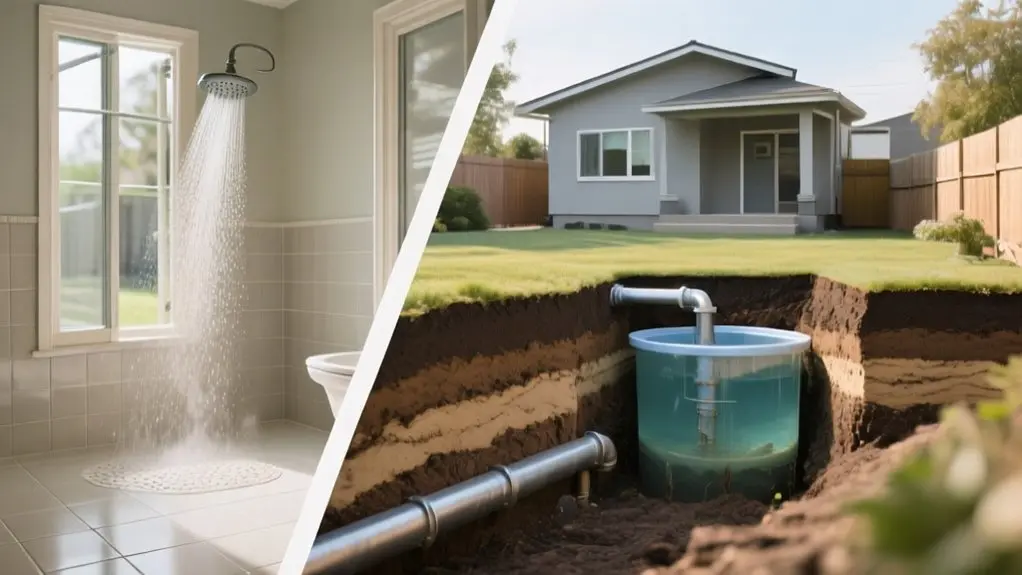
Yes, shower water does go directly to your septic tank, mixing with all other household wastewater for treatment. This includes greywater from sinks and laundry, plus blackwater from toilets.
While shower water contains soaps that affect bacterial balance, your septic system is designed to handle this combined flow. However, excessive or concentrated water use can overload the system and reduce efficiency.
Understanding how shower water impacts your septic tank helps you maintain and protect your system properly.
How Does Shower Water Enter My Septic System?
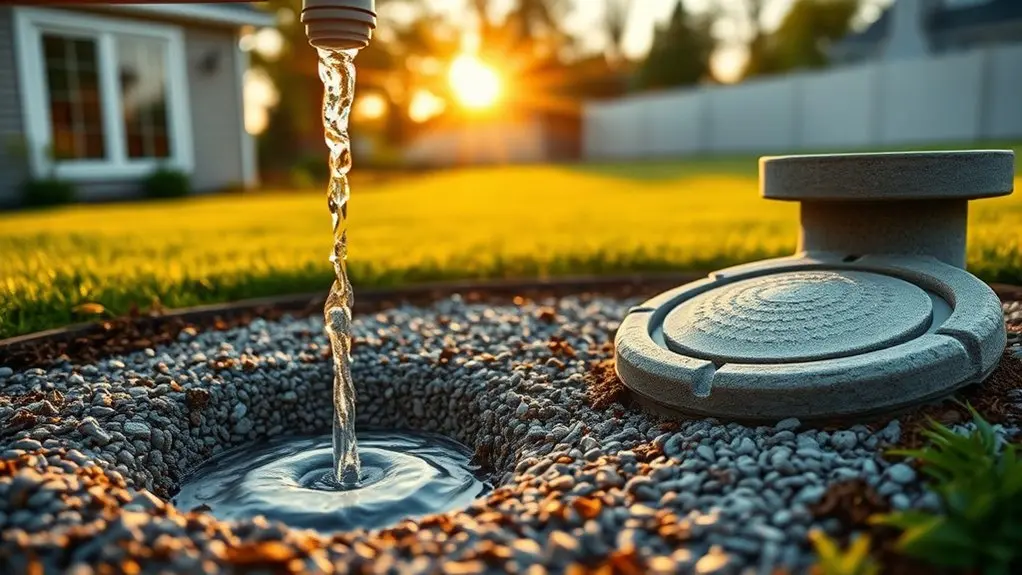
When you take a shower, the greywater generated flows directly from your bathroom plumbing into your septic system, joining wastewater from sinks, laundry, and other sources.
This combined household water enters the septic tank, where it undergoes separation into sludge, scum, and effluent layers.
Shower water contributes to the hydraulic load and solids accumulation within the system.
Shower water adds to both the hydraulic load and solids buildup in your septic system.
Proper maintenance, including septic tank pumping every three to five years, is essential to prevent solids buildup that can impair system function.
Moreover, using efficient water methods, like low-flow showerheads, reduces the volume of shower water entering the septic system and decreases hydraulic stress.
Understanding how shower water integrates into wastewater management helps you maintain septic system performance and longevity effectively.
Why Does All Household Water: Including Shower Water: Flow to the Septic Tank?
You rely on your septic system to handle all the wastewater from your home, including the water from your shower. That’s because it collects and processes every source of greywater and blackwater together.
Shower water isn’t just water—it carries soaps and residues from personal care products. Luckily, the bacteria in your septic system break these down pretty efficiently.
Knowing how this flow works can really help you manage the amount of water going into your system and keep everything running smoothly.
Household Water Flow Path
Although it might seem counterintuitive, all household water, including shower water, flows directly to the septic tank. The system is engineered to collect and treat every form of wastewater generated within the home.
Water from sinks, showers, and toilets converges through plumbing into the household septic system. Here, solids settle, and liquids remain for further treatment.
Shower water carries organic matter and soap, which naturally occurring bacteria break down effectively within the tank.
To keep the system properly functioning, you need regular maintenance and septic tank services, such as periodic pumping, to prevent sludge buildup and clogs.
Efficient water use reduces hydraulic load, enhancing system longevity.
Understanding this flow path highlights why all household water must enter the septic tank for thorough waste management and system health.
Septic System Water Sources
Anyone managing a home septic system should understand that all household wastewater, including shower water, flows directly into the septic tank.
Septic systems collect water from toilets, sinks, appliances, and showers. Shower water contains soaps and personal care products broken down by bacteria in the tank.
Since the average person uses about 70 gallons daily, with showers contributing a significant portion, this water load impacts system performance.
Efficient water usage, like shorter showers, reduces hydraulic stress on the system.
Regular maintenance can help prevent failures by managing solids accumulation.
Septic tanks should be inspected at least every three years and pumped as needed.
Understanding these water sources and their effects on your septic system is critical for sustaining proper function and longevity.
Shower Water Treatment
Because all household wastewater carries contaminants, it flows into the septic tank for treatment, including shower water. Shower water contains soap, shampoo, and skin cells, which are types of greywater contaminants the septic system must process.
Inside the tank, solids separate into sludge and scum, while beneficial bacteria degrade organic matter. Given the average daily water use of about 70 gallons, shower water considerably contributes to the hydraulic load the septic must handle.
Effective treatment depends on homeowners maintaining their system properly. The septic tank should be pumped every three to five years to remove accumulated solids and prevent failures.
Using low-flow showerheads can reduce water volume, easing the septic system’s burden.
Understanding this process helps homeowners make informed decisions about maintenance and water efficiency.
How Do Septic Tanks Treat Shower Water?
Every drop of shower water entering your septic tank undergoes a multi-stage treatment process alongside other household wastewater. Inside the septic tank, shower water mixes with waste from sinks, toilets, and laundry.
Solids settle to the bottom as sludge, while lighter materials float as scum, allowing the tank to separate contaminants effectively. The remaining liquid effluent then flows into drain fields, where soil filtration further treats it before it reaches groundwater.
Solids settle as sludge, scum floats, and liquid effluent is filtered through soil before reaching groundwater.
Regular maintenance, including inspections and pumping every 3 to 5 years, is critical to prevent solids accumulation from shower water and maintain peak treatment efficiency.
While shower water is less contaminated than toilet waste, excessive soaps can disrupt bacterial balance, so monitoring input is essential for system health.
Can Too Much Shower Water Harm My Septic System?
If you use too much shower water too quickly, you can overload your septic system.
This happens when the flow exceeds what the system can handle at once. When that happens, it puts extra stress on the system’s ability to process and treat the wastewater properly.
Shower Water Impact
Although shower water, or greywater, contributes considerably to the volume entering your septic system, using too much in a short period can cause hydraulic overload. Excessive usage of shower water increases the volume septic tanks must process rapidly, risking system stress and potential failure.
The average shower uses about 2.1 gallons per minute, so multiple showers close together can create sudden spikes in flow. To protect your system, you should spread out shower usage throughout the day, minimizing hydraulic overload.
Furthermore, regular maintenance, such as pumping the septic tank every three to five years, helps manage greywater buildup and preserves system efficiency.
Monitoring shower water input and adhering to maintenance schedules guarantees your septic system handles greywater without compromising performance.
Septic System Capacity
Septic systems handle all household wastewater, including shower water, which directly affects their capacity and function. Excessive shower water usage can cause hydraulic overload, overwhelming the septic system’s capacity and leading to failures.
On average, a person uses about 70 gallons daily, so frequent showers greatly increase your system’s load. To avoid this, spread out water usage for showers, laundry, and dishwashing throughout the week.
Regular maintenance is essential. Your septic system should be inspected at least every three years and pumped every three to five years to manage solid buildup effectively.
| Factor | Impact on Septic System | Recommended Action |
|---|---|---|
| Excessive Shower Use | Hydraulic overload risk | Limit shower duration/frequency |
| Daily Water Volume | Increases system load | Monitor household water use |
| Regular Maintenance | Prevents system failure | Inspected at least every three years |
| Water Usage Distribution | Reduces overload potential | Spread out laundry/dishwashing |
How Does Water Conservation Affect Septic System Performance?
When you conserve water by shortening shower times or using efficient fixtures, you reduce the hydraulic load on your septic system. This can enhance its performance and extend its lifespan.
Using less water decreases stress on the system’s drainfield, preventing premature failure common in municipal sewer alternatives overloaded by peak flows.
However, efficient water use requires balance. Too little flow can impede waste breakdown, disrupting septic function. The U.S. EPA advises spreading water use over time to avoid concentrated loads.
Regardless of conservation efforts, your septic tank must be inspected at least every three years and pumped as needed to prevent solids buildup.
Regular maintenance remains critical to guarantee long-term system integrity while benefiting from water conservation measures.
What Are Common Myths About Shower Water and Septic Tanks?
Why do misconceptions about shower water and septic tanks persist despite clear evidence? One common myth is that shower water is too clean to affect the septic system.
In reality, shower water contains soaps and shampoos that influence the bacterial balance essential for wastewater treatment.
Shower water carries soaps and shampoos that affect the vital bacterial balance in septic systems.
Another myth suggests you can ignore shower water in septic system maintenance, yet the volume from showers adds significant hydraulic load, impacting system performance.
Understanding that all household wastewater, including shower water, flows into the septic tank highlights the need for regular maintenance.
Pumping the tank every 3 to 5 years prevents solids accumulation from all sources.
Recognizing these facts helps you manage your septic system effectively, debunking myths and ensuring longevity.
How Can I Protect My Septic System From Shower Water Problems?
Although shower water is often overlooked, managing it properly is essential to maintaining your septic system’s efficiency. Shower water, or gray water, adds to the overall hydraulic load on your septic system. So, reducing flow with water-efficient showerheads is really important.
You should also avoid harsh chemicals and excessive soap because they disrupt the beneficial bacteria that break down waste in the tank.
Regular maintenance, like inspections and pumping every three to five years, helps prevent solids buildup that could impair function.
Plus, staggering showers can help prevent sudden surges that might overload the system hydraulically.
Frequently Asked Questions
Can Shower Water Temperature Affect My Septic System?
Yes, shower water temperature can impact your septic system.
Sudden temperature fluctuations, especially from very hot water, can harm bacteria survival essential for waste breakdown. This disruption reduces drainage efficiency and complicates system maintenance.
To protect your septic system, avoid frequent use of extremely hot showers and spread out high-temperature water usage.
Maintaining moderate water temperatures guarantees balanced bacterial activity and ideal system performance over time.
Does Soap or Shampoo Harm Septic Tank Bacteria?
Like a delicate ecosystem, your septic tank relies on bacteria survival to function properly.
Soap breakdown can affect this balance, especially when chemicals disrupt bacterial activity.
Harsh substances, including antibacterial agents, have a significant chemical impact, reducing bacteria’s efficiency.
To protect your system, choose organic alternatives that support bacteria survival.
Regular maintenance tips, like inspections and controlled chemical use, guarantee your septic tank remains healthy and effective over time.
How Often Should Septic Tanks Be Inspected With Regular Shower Use?
You should schedule septic tank maintenance inspections every three years with regular shower use.
Shower drainage increases the hydraulic load, so monitoring is essential.
Pay attention to water usage habits. Higher volume means more frequent checks.
Bacteria growth depends on balanced water flow and organic matter.
Combine inspections with tank pumping every three to five years to prevent sludge buildup.
This helps ensure maximum septic system performance and longevity.
Are Water Softeners Safe for Septic Systems?
Yes, water softeners are safe for your septic tank when used properly. They reduce the chemical impact by lowering soap and detergent residues, which helps enhance bacterial efficiency in your septic system.
To maintain peak performance, follow maintenance tips like regular regeneration and salt checks to prevent scale buildup.
Properly managed softeners minimize efficiency concerns and support septic health, ensuring your system handles softened water without adverse effects.
Can Shower Water Cause Septic System Odors?
Shower drain odors can signal septic system issues, but they don’t always stem from your shower water itself.
If you neglect septic system maintenance or have poor water usage habits, odors may arise from clogged plumbing venting or stressed drain field health.
Regular pumping and mindful water use keep your system balanced.
Conclusion
Now that you know shower water does go to your septic tank, you can avoid throwing the baby out with the bathwater. Managing your water use wisely and maintaining your system regularly keeps everything flowing smoothly.
Overloading your septic tank with too much water, even from showers, can cause problems. But careful habits and proper care guarantee your system works efficiently.
Stay proactive, and your septic system will serve you well for years to come.