How To Unclog Kohler Toilet – Easy Guide
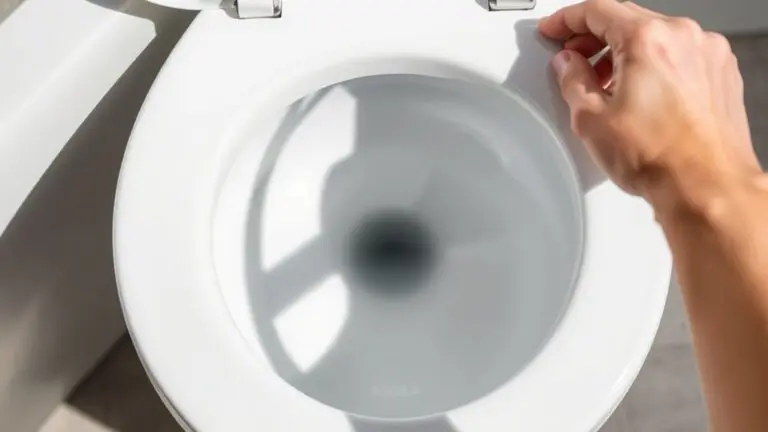
To unclog your Kohler toilet, first prevent overflow by turning off the water supply and monitoring water levels closely. Use a plunger submerged in water for a tight seal, pushing firmly 7-10 times.
If that fails, pour ¼ cup dish soap followed by hot water, or try a baking soda and vinegar mix for natural clearing. No plunger? Use a toilet brush or wrapped wire hanger carefully.
Learn more to prevent clogs and know when to call a plumber.
Prevent Toilet Overflow Before Unclogging
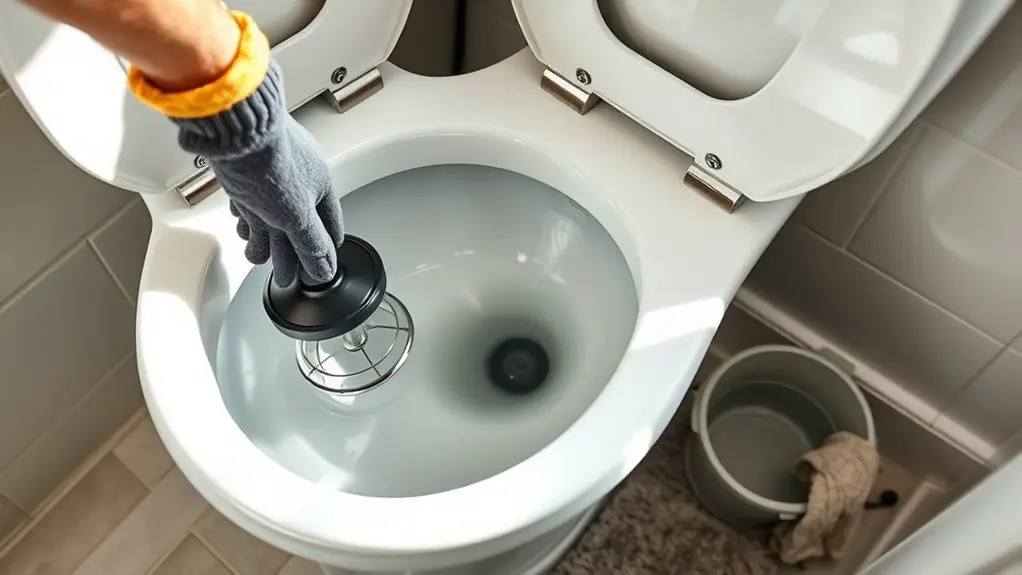
Before you start unclogging your Kohler toilet, avoid flushing repeatedly to prevent overflow. Repeated flushing raises the water level dangerously, increasing flood risk.
To prevent toilet overflow, monitor the bowl’s water level closely while working. If water nears the rim, act immediately. Remove the tank lid and use a rubber floater or balloon to block the flapper valve, halting water inflow.
Keep an eye on water levels and block the flapper valve immediately to stop overflow.
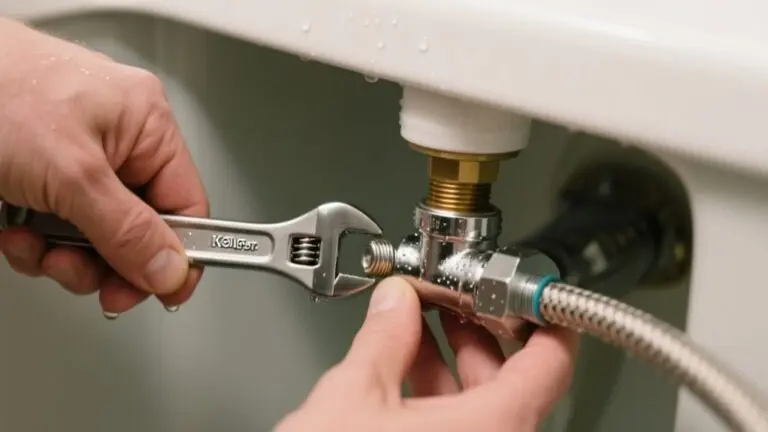
Furthermore, locate the water supply valve, typically behind the toilet, and turn it clockwise to shut off water to the tank if overflow threatens. These proactive steps help prevent toilet overflow and minimize water damage.
Staying vigilant and acting quickly guarantees you control water levels effectively before proceeding with unclogging procedures.
Use a Plunger Effectively on Your Kohler Toilet
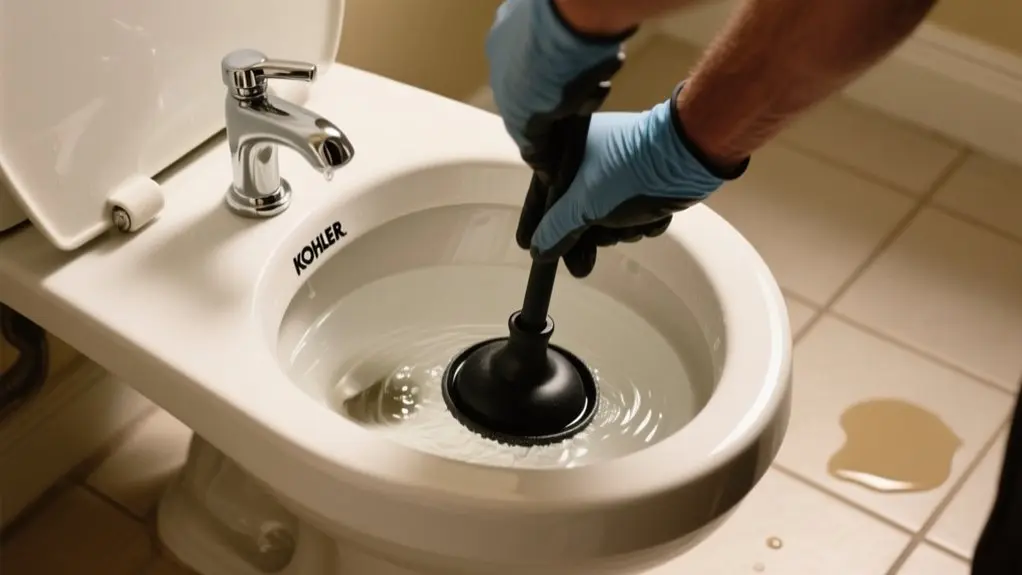
To unclog your Kohler toilet efficiently, start by ensuring the plunger is submerged in enough standing water to form a tight seal over the drain hole. This maximizes suction and pressure needed to dislodge the clog.
Position the plunger at an angle rather than straight down to prevent air pockets and improve effectiveness.
Use vigorous up-and-down motions about seven to ten times without breaking the seal.
Remember to maintain a tight seal throughout plunging to generate pressure. Reposition the plunger if air bubbles escape.
Perform multiple plunging cycles if needed. Flush after plunging to verify if the clog clears.
Following these steps will help you unclog a toilet quickly and restore normal flow in your Kohler fixture.
Use Hot Water and Soap to Loosen Clogs
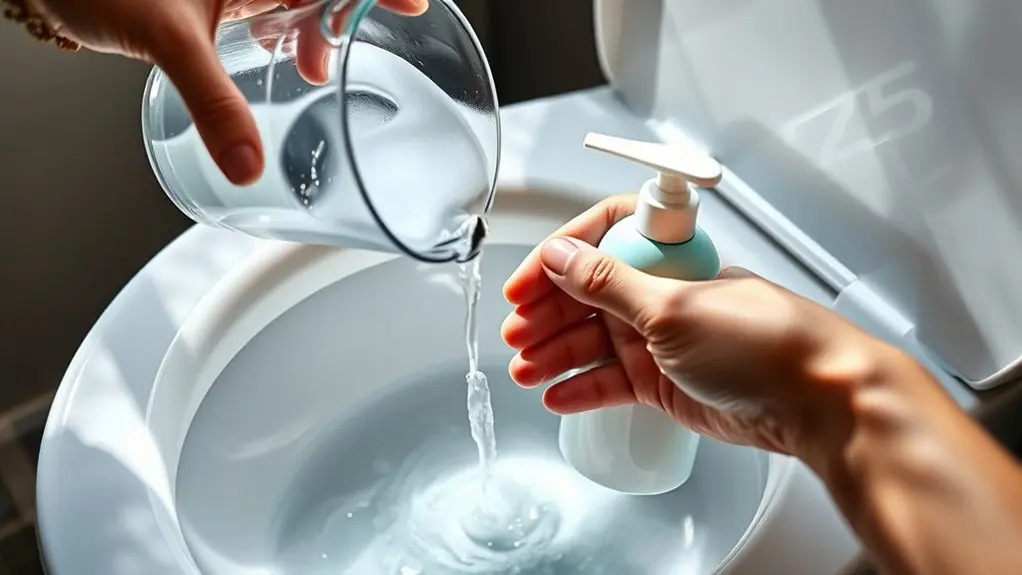
If plunging doesn’t fully clear the clog, applying hot water and soap can help break down stubborn grease and grime blocking your Kohler toilet. Pour a quarter cup of liquid dish soap into the bowl. Then, use the hottest water available, never boiling, and pour it gently into the bowl to avoid damaging the porcelain.
Let the mixture sit for 20 minutes to lubricate and dissolve the blockage. Afterward, flush cautiously to check if the clog is cleared. Repeat if necessary by adding more hot water.
| Step | Action | Purpose |
|---|---|---|
| 1 | Add 1/4 cup dish soap | Breaks down grease/grime |
| 2 | Pour hot water gently | Loosens blockage |
| 3 | Let sit 20 minutes | Allows soap to work |
| 4 | Flush cautiously | Checks clog clearance |
| 5 | Repeat if needed | Guarantees full unclogging |
Use Baking Soda and Vinegar to Clear Clogs
To clear your Kohler toilet clog, start by adding baking soda. It works as a natural abrasive that helps break down debris.
Next, pour in some vinegar. When the two mix, they create a fizzing reaction that loosens blockages really well.
This combo makes the unclogging process easier without using any harsh chemicals. It’s definitely a reliable first step to try before reaching for stronger cleaners.
Baking Soda Benefits
Baking soda acts as a powerful natural deodorizer and cleaning agent for your Kohler toilet. It neutralizes unpleasant odors effectively while helping to remove clogs without harsh chemicals.
When combined with vinegar, baking soda starts a fizzy reaction that breaks down debris and buildup inside your pipes. You can rely on baking soda for an eco-friendly, septic-safe alternative that keeps your toilet working well.
Here’s why baking soda benefits your unclogging efforts:
- Neutralizes odors to keep your toilet fresh
- Breaks down clogs by loosening debris and buildup
- Works safely with septic systems without damage
- Complements vinegar for an effective natural cleaning process
Using baking soda improves your toilet’s performance while reducing environmental impact.
Vinegar Reaction Process
When you combine one cup of baking soda with one cup of white vinegar in your Kohler toilet bowl, a vigorous chemical reaction begins that breaks down clogs effectively. The bubbling action helps dislodge debris and clears blockages by breaking down organic matter.
Let the mixture sit for 10-15 minutes to maximize this reaction’s effectiveness. After the fizzing subsides, pour several cups of hot water into the bowl to flush away loosened material thoroughly.
This method not only unclogs but also neutralizes odors and cleans the bowl’s surface.
Be cautious not to mix baking soda and vinegar with other chemical cleaners, as this can cause dangerous reactions and reduce efficacy.
Using baking soda and vinegar is a safe, efficient approach to restore your Kohler toilet’s function.
Use a Toilet Brush or Wire Hanger When No Plunger Is Available
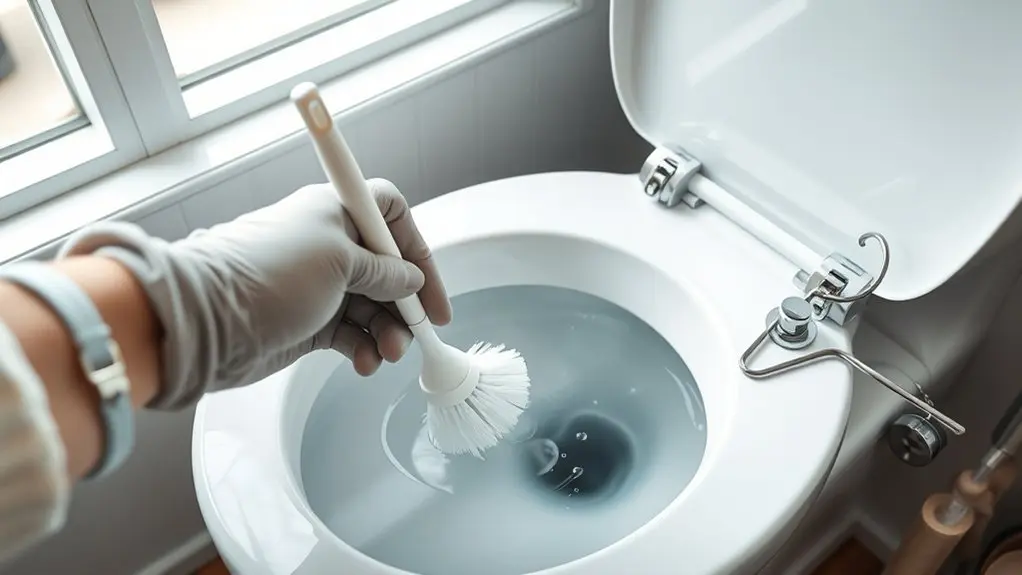
If you don’t have a plunger handy, no worries—you can use a toilet brush instead.
Just angle it into the drain and give it some firm plunging motions to help break up the clog.
Another option is to take a wire hanger, straighten it out, and wrap one end with a towel.
Then, carefully snake it through the drain to loosen any debris without scratching the porcelain.
Just make sure to insert these tools securely, and don’t forget to wear gloves.
This helps keep things hygienic and protects your toilet’s parts from any damage.
Toilet Brush Plunging Technique
Utilize a toilet brush as an effective alternative to a plunger by inserting the brush head into the drain hole and plunging with a controlled up-and-down motion. This creates suction and pressure that dislodges clogs.
When performing this technique, keep these points in mind:
Position the toilet brush firmly to maximize contact without scratching the porcelain.
Use steady, forceful plunges to create enough pressure to move the blockage.
Monitor the water level closely to prevent overflow during plunging.
Clean the toilet brush thoroughly after use to maintain hygiene.
This method provides a practical solution when a plunger isn’t available. It enables you to clear minor clogs effectively while protecting your Kohler toilet’s surface.
Wire Hanger Snaking Method
Plunging with a toilet brush works well for minor clogs, but tougher blockages may require a more targeted approach like the wire hanger snaking method.
Start by straightening a wire hanger, leaving a small hook at one end to effectively snag debris. Wrap the hook with a towel and secure it with duct tape to protect the porcelain from scratches.
Carefully insert the wire hanger into the toilet drain, twisting and maneuvering to dislodge the obstruction.
If you use a toilet brush instead, angle the head down the drain and push firmly, mimicking a plunger’s action. Always apply moderate force to avoid damaging your Kohler toilet’s internal components.
The wire hanger snaking method offers a precise solution when a plunger isn’t available.
Use Chemical Cleaners Safely
When handling chemical drain cleaners, you must prioritize safety by carefully reading the product label for ingredients and specific instructions. Chemical cleaners are effective but require cautious use to prevent harm to yourself and your Kohler toilet’s plumbing.
Always follow the manufacturer’s guidelines for dosage and wait times.
To use chemical cleaners safely:
- Wear gloves and eye protection to prevent chemical splashes.
- Confirm proper ventilation by opening windows or using exhaust fans.
- Never mix different chemical cleaners to avoid toxic gas formation.
- Follow instructions precisely to protect plumbing and maximize effectiveness.
Prevent Future Clogs in Your Kohler Toilet
After safely handling chemical cleaners, your next step is to focus on preventing future clogs in your Kohler toilet. You can do this by flushing only appropriate items, scheduling routine maintenance, and educating household members on proper usage.
Using Kohler-specific toilet bowl cleaners helps reduce residue buildup. Also, inspecting and replacing worn components keeps your toilet flushing efficiently.
| Action | Benefit |
|---|---|
| Flush only approved items | Avoids blockages caused by debris |
| Routine maintenance | Reduces mineral buildup |
| Inspect & replace parts | Guarantees efficient flushing |
Stick with these steps consistently to protect your Kohler toilet from recurring clogs and keep it performing reliably over time.
When to Call a Plumber
If you’ve tried multiple unclogging techniques without clearing your Kohler toilet, it’s time to call a plumber for professional help.
Persistent blockages or recurring backups often signal complex plumbing issues beyond DIY fixes.
Furthermore, unusual gurgling sounds or water pooling at the base indicate potential leaks or system failures requiring expert evaluation.
You should call a plumber if you notice:
- Frequent clogs despite regular maintenance
- Gurgling or bubbling noises in the toilet or pipes
- Water accumulating around the toilet base
- Uncertainty about using chemical cleaners or mechanical tools safely
Addressing these signs promptly prevents further damage and guarantees your plumbing system functions reliably.
Don’t hesitate to call a plumber to protect your Kohler toilet and home plumbing infrastructure.
Frequently Asked Questions
Can I Use Bleach to Unclog My Kohler Toilet?
You can use bleach to unclog your Kohler toilet, but you should proceed cautiously.
Pour only two to three cups of bleach directly into the bowl, ensuring good ventilation. Let it sit for about 10 minutes before flushing.
Avoid mixing bleach with other chemicals, and don’t rely on it regularly, as it can damage porcelain and pipes.
For stubborn clogs, consider safer, mechanical methods first to protect your toilet and plumbing.
How Often Should I Clean My Kohler Toilet to Avoid Clogs?
You should clean your Kohler toilet at least once a month, like clockwork, to prevent clogs and buildup.
In high-traffic homes, cleaning every two weeks works better to keep debris and mineral deposits from accumulating.
Regular maintenance, including flushing checks and gentle scrubbing with a toilet brush, guarantees peak performance.
Staying consistent helps you avoid blockages and costly repairs, keeping your toilet functioning smoothly and efficiently.
Is It Safe to Use a Wet/Dry Vacuum on a Clogged Toilet?
Yes, it’s safe to use a wet/dry vacuum on a clogged toilet if you follow precautions.
Make sure the water level is low to prevent overflow and set the vacuum to liquid mode to avoid damage. Create a tight seal between the hose and the drain for effective suction.
Use it for clogs from toilet paper or waste, but avoid severe blockages.
Clean the vacuum thoroughly afterward to maintain hygiene and function.
What Parts of the Toilet Are Most Prone to Clogging?
Think of your toilet as a maze where waste often gets trapped. The most prone clog spots are the toilet trap’s curved passage, rim jets under the bowl’s rim that get mineral buildup, and the flush valve controlling water flow.
Also, the drain line can collect debris like wipes or paper, causing blockages.
Even aerator and valve parts, though indirectly, can disrupt flushing and lead to clogs if they’re clogged themselves.
Can Flushing Non-Flushable Items Damage My Kohler Toilet?
Yes, flushing non-flushable items can damage your Kohler toilet. These materials can clog the trapway or pipes, causing backups and overflow that strain the flushing mechanism.
Over time, this stress may lead to cracks or leaks, reducing your toilet’s lifespan and requiring costly repairs.
To protect your Kohler toilet, only flush human waste and toilet paper.
Make sure to educate household members about proper usage to avoid damage.
Conclusion
Unclogging your Kohler toilet is like tuning a delicate instrument. Precision and the right tools matter. Studies show 70% of toilet clogs respond well to plungers and natural solutions like baking soda and vinegar.
By following these steps, you’ll prevent overflow and maintain smooth flushing. Remember, when DIY efforts fail, calling a plumber is your best move. Stay proactive, and your Kohler will run like a well-oiled machine every time.