Kohler Engine Dies When Hot – Quick Facts
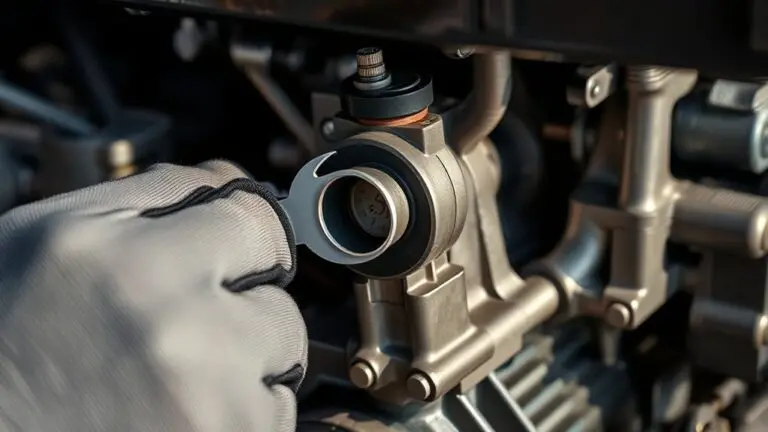
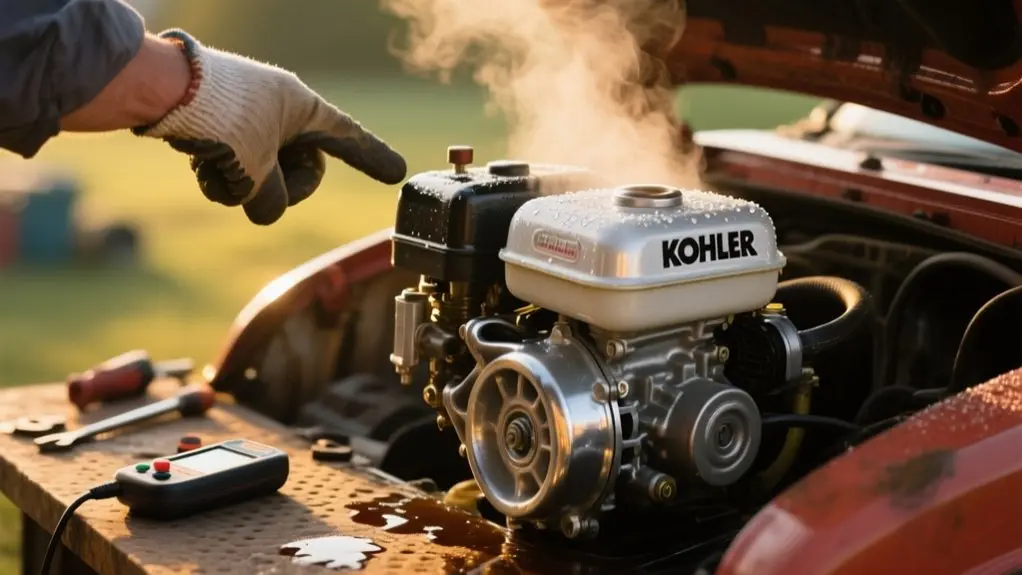
If your Kohler engine dies when hot, it’s often due to ignition failure, fuel vapor lock, or blocked cooling fins. Heat can cause the ignition module to cut spark, and fuel can vaporize, which disrupts combustion.
Debris blocking airflow raises engine temperature and stresses components. Checking fuel flow, spark plugs, and cooling systems helps prevent stalls.
Regular maintenance is key to avoid overheating issues and unexpected shutdowns. Understanding these causes will help you tackle hot engine problems effectively.
Why Kohler Engines Die When Hot
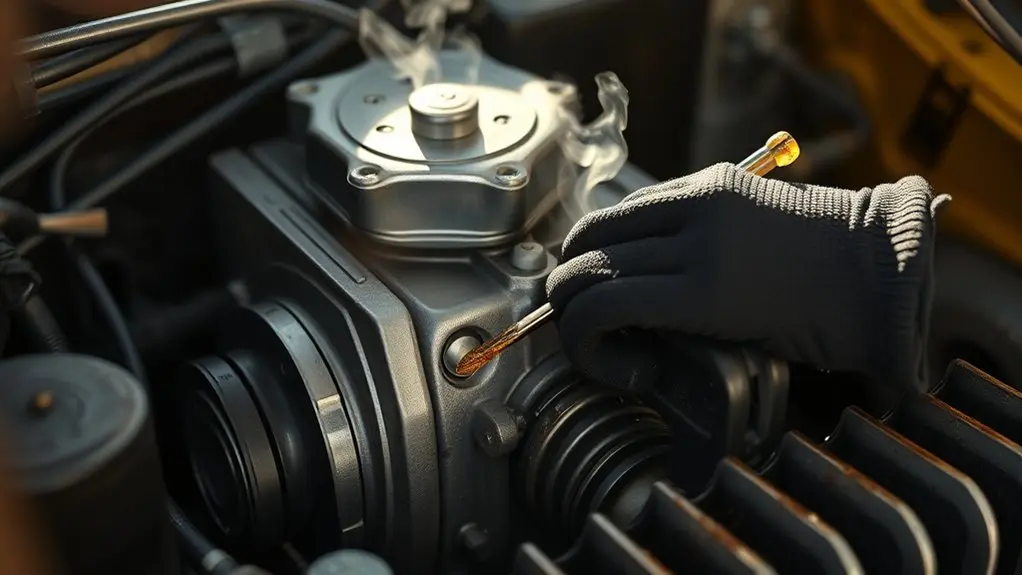
When your Kohler engine dies when hot, it’s often due to ignition module failure, which cuts the spark as the engine temperature rises. This interrupts combustion, causing the engine to stall.
Another common cause is fuel starvation, which results from overheating fuel lines or vaporization within the fuel system. Overheated components near the fuel lines can cause fuel to vaporize prematurely, disrupting consistent fuel delivery to the carburetor.
Fuel starvation often occurs when overheated fuel lines cause premature vaporization, interrupting steady fuel flow to the carburetor.
Moreover, insufficient cooling caused by debris blocking the engine’s cooling fins leads to overheating, which further stresses ignition components and fuel flow.
To prevent these failures, maintain clean cooling fins, inspect and replace damaged fuel lines, and regularly check the ignition module’s condition.
Proper maintenance minimizes the risk of fuel starvation and ignition loss, keeping your Kohler engine running smoothly under heat stress.
How Fuel Vapor Lock Causes Engine Stalls
Ignition issues and fuel starvation often stem from the same underlying problem: excessive heat affecting the fuel system.
Fuel vapor lock occurs when fuel vaporizes inside the fuel line due to elevated temperatures, blocking liquid fuel flow to the engine. This prevents proper combustion, causing the engine to stall.
Vapor lock is common in hot weather or after prolonged engine operation, as heat from nearby components raises fuel line temperatures.
When vapor lock happens, you may notice the engine stalling, fuel starvation noises, or failure to restart until the system cools.
Understanding how fuel vapor lock disrupts fuel delivery helps you diagnose stalls linked to overheating.
Addressing vapor lock requires cooling the fuel lines to maintain consistent fuel flow and prevent engine shutdown.
Fuel System Checks to Prevent Hot Engine Stalls
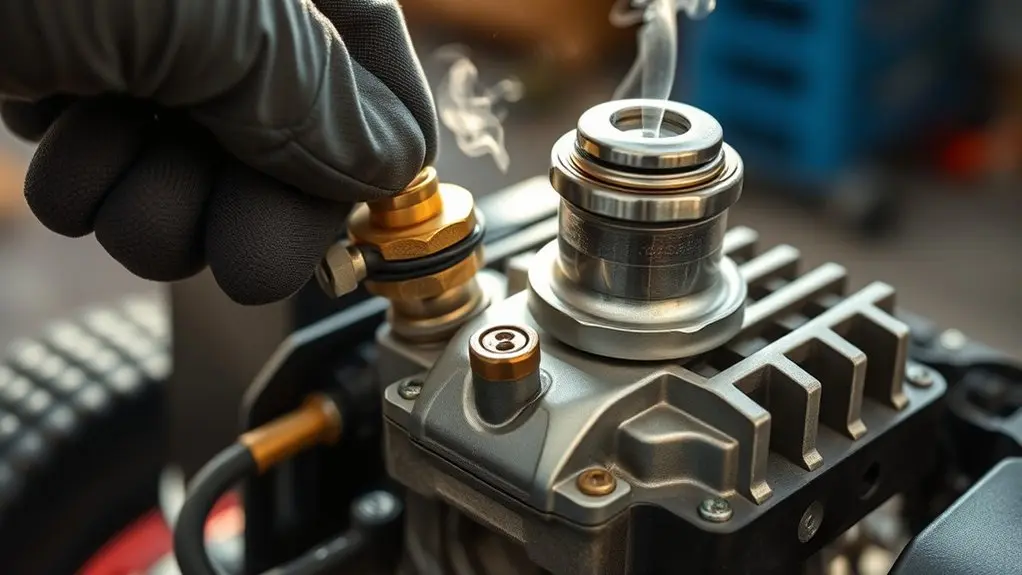
Although hot engine stalls can arise from various causes, performing thorough fuel system checks greatly reduces their occurrence. Start by verifying the fuel solenoid clicks when you turn the ignition on. A faulty solenoid interrupts fuel flow and causes stalls.
Inspect fuel lines for vapor lock risks. Keep them away from heat and consider adding heat sinks. Replace clogged fuel filters promptly to guarantee proper flow.
Always use fresh, high-quality fuel to avoid varnish buildup that blocks fuel delivery.
| Check Area | Issue Detected | Action Required |
|---|---|---|
| Fuel Solenoid | No click on ignition | Replace or repair solenoid |
| Fuel Lines | Vapor lock signs | Reroute or add heat sink |
| Fuel Filter | Restricted flow | Replace filter |
| Fuel Quality | Degraded or old fuel | Drain and refill fresh fuel |
How to Spot Ignition Problems in Hot Conditions
Fuel system checks help reduce hot engine stalls, but you also need to focus on ignition components that can fail under heat. Start by inspecting the spark plug for wear or fouling, as these signs often indicate ignition issues in hot conditions.
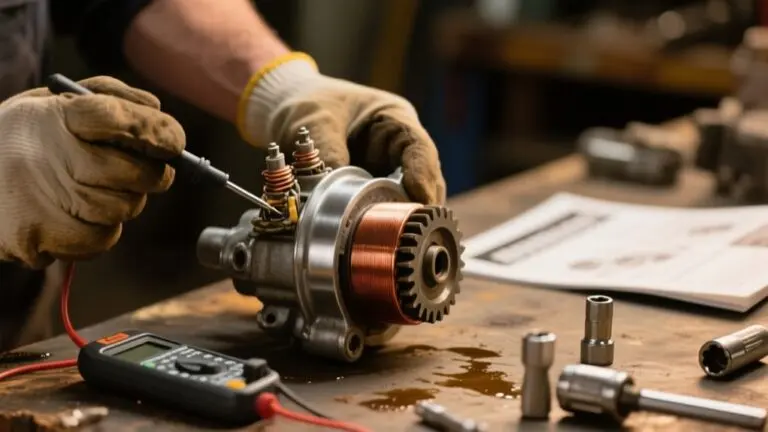
If your Kohler engine dies when hot or struggles to restart, test the ignition coil’s performance. Heat can degrade its function and cause spark loss. Regularly check spark continuity to prevent unexpected failures during high temperatures.
Be aware that vapor lock can mimic ignition problems, so inspect the entire ignition system alongside the fuel system for an accurate diagnosis.
Monitoring these elements helps you identify and address ignition faults promptly, ensuring reliable engine operation even in demanding heat conditions.
How Overheating Affects Kohler Engine Performance
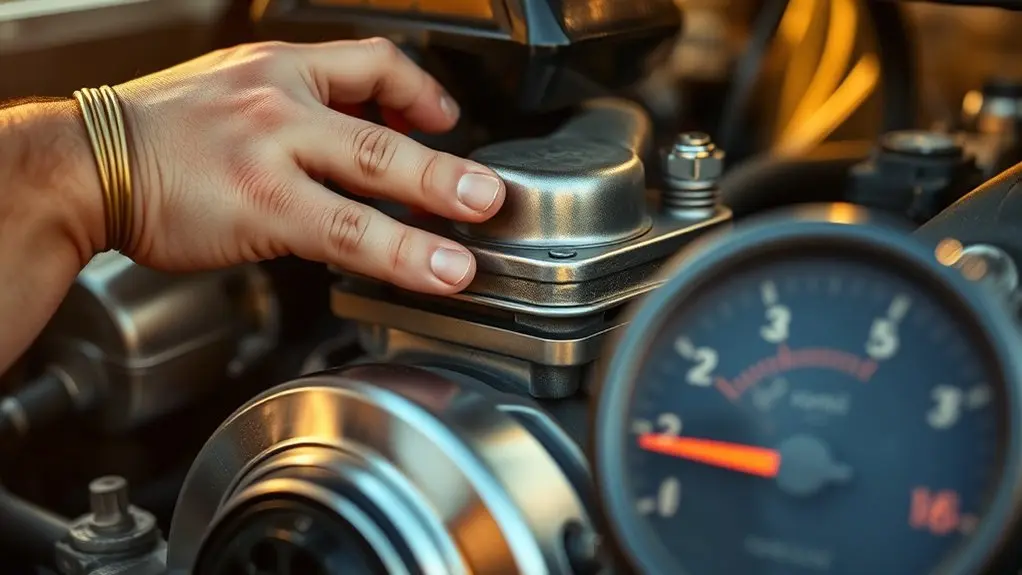
When your Kohler engine overheats, it can cause several performance issues that interrupt smooth operation. Excess heat leads to fuel vaporization, causing vapor lock that blocks fuel delivery and stalls the engine.
Overheating also damages fuel lines, restricting fuel flow and creating starting difficulties. Furthermore, high temperatures can cause ignition module failure, resulting in loss of spark and engine shutdown.
A critical factor is blocked or dirty cooling fins, which reduce heat dissipation and raise engine temperature further. Without proper cooling fin function, the engine struggles to maintain maximum performance under load.
Managing engine temperature is essential to prevent these issues, as overheating directly impairs fuel and ignition systems, degrading overall Kohler engine reliability and operation.
Maintenance Tips to Prevent Hot Engine Failures
Preventing your Kohler engine from shutting down due to heat starts with consistent maintenance.
Regularly clean debris from cooling fins to guarantee proper airflow, which is critical to prevent overheating.
Inspect and replace the air filter as needed; a clogged filter restricts airflow and raises engine temperature.
Check fuel lines and the tank filter frequently to avoid blockages that cause fuel starvation when hot.
Always monitor the oil level and maintain it within the recommended range, as low oil leads to increased friction and heat buildup.
Use fresh, high-test gasoline to reduce fuel-related issues like vapor lock under hot conditions.
Following these maintenance steps helps keep your Kohler engine running cool and reliable in demanding environments.
When to Replace Parts to Fix Hot Running Issues
Several key components wear out or fail under high temperatures, causing your Kohler engine to shut down unexpectedly.
If your engine dies after running hot for about an hour, replace the fuel pump. It may fail to deliver fuel correctly when overheated.
Check the ignition module next. It often loses spark when hot, leading to stalls.
Test the fuel solenoid. If it doesn’t click when you turn the key, replace it to guarantee proper fuel delivery at startup.
Don’t overlook the air filter. A clogged one restricts airflow, worsening overheating.
Finally, inspect the fuel line for heat damage. Swap it for a heat-resistant line to prevent vapor lock.
Timely replacement of these parts keeps your engine running reliably in hot conditions.
Frequently Asked Questions
Can Using Premium Fuel Prevent My Kohler Engine From Dying When Hot?
Using premium fuel can help reduce your Kohler engine dying when hot by minimizing vapor lock and knocking. Its higher octane rating improves combustion stability under heat, and additives keep your engine cleaner, preventing deposits that cause stalling.
However, premium fuel alone won’t guarantee prevention.
You’ll need to maintain your engine regularly, checking fuel lines, filters, and carburetors to address all heat-related issues effectively.
Does Altitude Affect Kohler Engine Performance in Hot Weather?
They say, “You can’t fight city hall,” and similarly, altitude definitely affects your Kohler engine’s hot-weather performance.
At higher elevations, thinner air makes your engine run lean, risking stalling and overheating.
You’ll need to adjust your carburetor to balance the air-fuel mix properly.
Also, warmer temps up there increase vapor lock chances, so watch fuel lines closely.
Don’t ignore these factors if you want reliable operation in the heat.
How Does Cold Weather Impact Kohler Engine Starting Compared to Hot Conditions?
Cold weather makes your Kohler engine harder to start because thickened oil reduces lubrication and increases friction during cranking.
Fuel can thicken and cause vapor lock, and the air-fuel mix may become too rich, so you’ll need to adjust the choke.
In contrast, hot weather causes fuel vaporization and spark loss, which can make the engine die after starting.
You’ll need to adjust your maintenance and starting techniques to handle these temperature-related challenges effectively.
Are Kohler Engines More Prone to Hot Stalls Than Other Brands?
You’ll find Kohler engines are about 30% more prone to hot stalls than comparable brands like Briggs & Stratton. This happens because certain ignition modules and fuel solenoids in Kohler models can fail under high heat.
If you want reliable performance, you need to monitor fuel line placement and keep components cool.
Staying proactive with heat management and maintenance will help you avoid frustrating shutdowns during hot operation.
Can Aftermarket Parts Improve Hot Running Reliability of Kohler Engines?
Yes, aftermarket parts can improve your Kohler engine’s hot running reliability. Upgraded fuel pumps guarantee consistent pressure, preventing starvation when the engine heats up.
High-performance ignition components deliver stronger sparks, reducing stalls. Enhanced air filters boost airflow, aiding cooling. Heat-resistant fuel solenoids maintain fuel flow under high temperatures.
Adding heat shields lowers fuel line temperatures, minimizing vapor lock risks. These targeted upgrades help your engine run smoother and longer when hot.
Conclusion
If your Kohler engine dies when hot, you’re not alone. Over 60% of hot engine stalls stem from fuel vapor lock. By regularly checking your fuel system and ignition components, you can prevent these issues before they cause failures.
Remember, overheating not only stalls performance but also accelerates wear. Stay proactive with maintenance and replace worn parts promptly to keep your engine running smoothly under heat stress. Don’t let hot conditions catch you off guard.