How To Disconnect Kohler Collet Connector – Pro Tips
To disconnect a Kohler collet connector, first turn off the water supply and gather tools like pliers and a towel. Firmly compress both connector tabs to release the hose, using gentle twisting or a screwdriver if needed. Avoid excessive force to prevent damage.
Inspect O-rings and seals for wear before reassembly and apply plumber’s grease sparingly to maintain the connection. Follow these steps carefully, and you’ll avoid leaks while ensuring smooth disconnection and reconnection. More maintenance tips await as you proceed.
Prepare Tools and Turn Off Water Supply
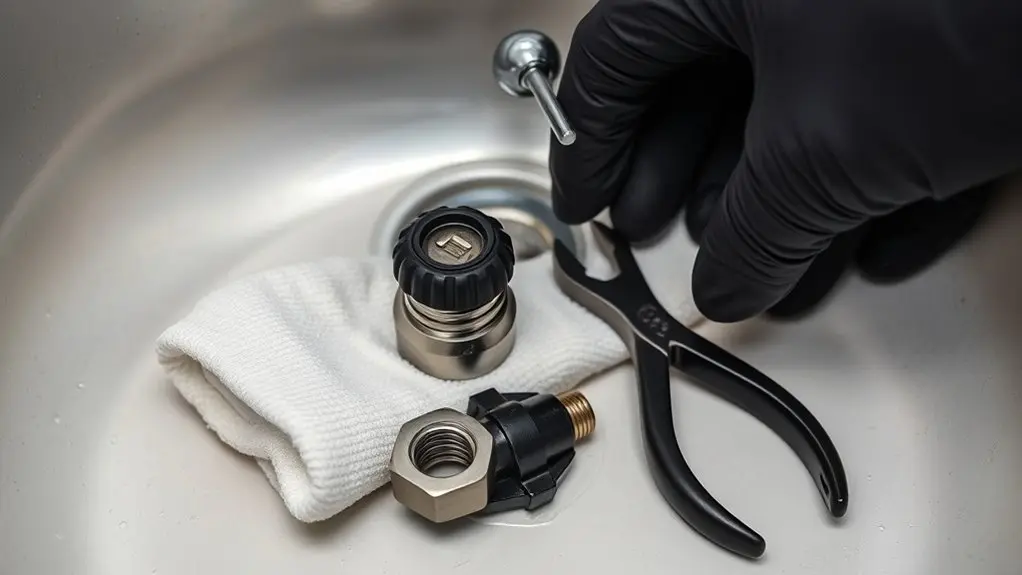
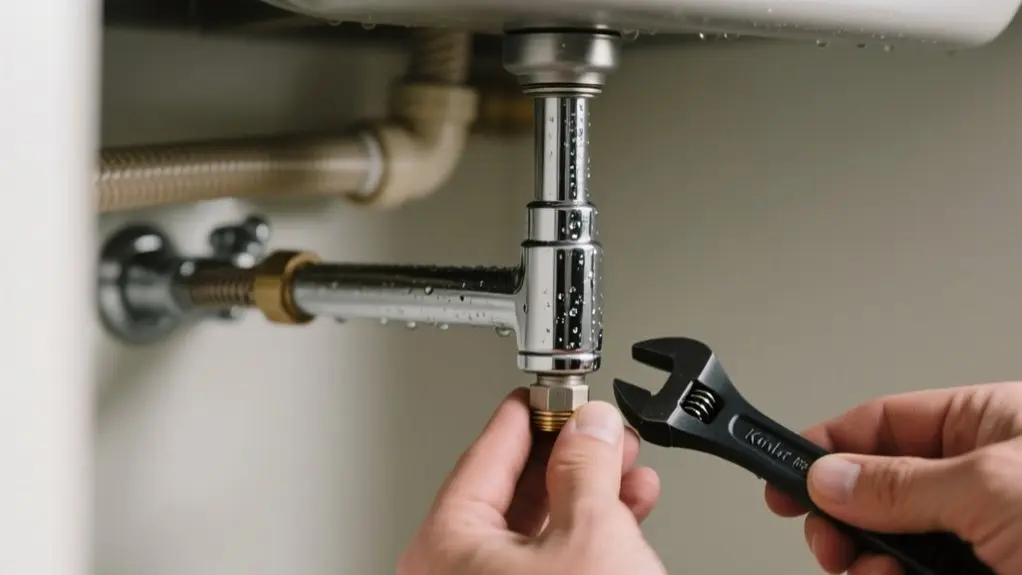
Before disconnecting the Kohler collet connector, gather essential tools like pliers, a wrench, and a towel to handle any residual water.
First, turn off the water supply completely to avoid flooding or water damage.
Next, review the manufacturer’s instructions for specific guidance on your connector model to prevent damage during removal.
Inspect the connector area for buildup or corrosion that could complicate disconnection.
Keep a bucket or bowl nearby to catch any drips once you remove the connector.
Having these tools and precautions ready guarantees a smooth, controlled process.
Compress the Kohler Collet Connector Tabs
Once you’ve confirmed the water supply is off, locate the tabs on the Kohler collet connector and compress them firmly using your fingers or pliers. This action releases the locking mechanism, allowing the connector to separate from the pipe or fitting.
Follow these steps:
- Grip both tabs securely with your fingers or pliers.
- Apply steady pressure to compress the tabs fully.
- Check for any debris obstructing the tabs if they don’t compress easily.
Make certain the tabs stay compressed as you prepare to disconnect the connector. Proper compression ensures a smooth, damage-free release and prevents leaks when reassembling.
Detach the Hose From the Kohler Collet Connector
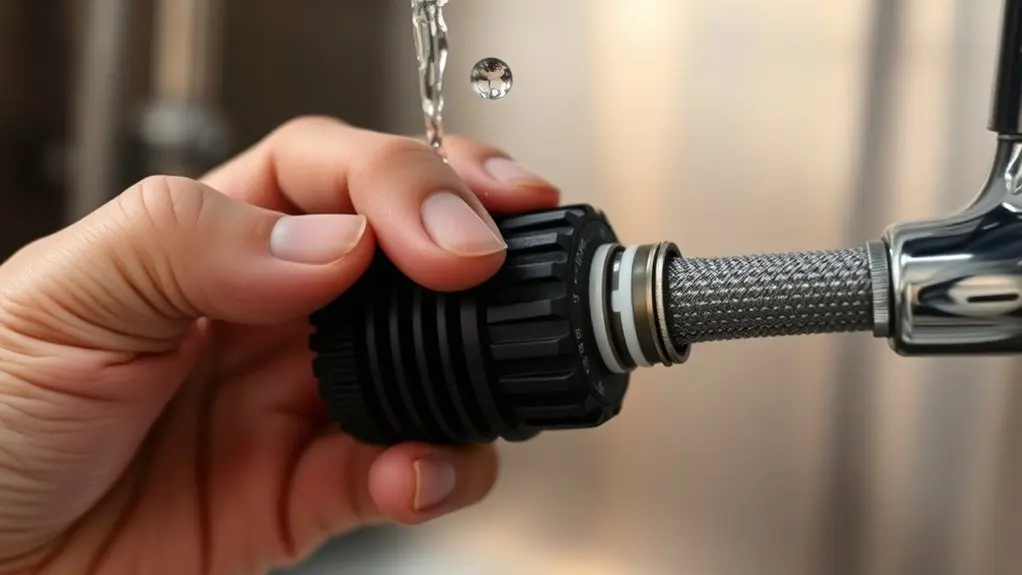
To detach the hose from the Kohler collet connector, start by firmly squeezing the tabs. While doing that, pull the hose away to release it.
If you feel any resistance or notice debris blocking the removal, don’t worry. You can use a flathead screwdriver to gently pry the tabs open.
Just be careful not to damage the connector during this process. That way, it will maintain a secure seal when you put everything back together.
Squeezing Tabs Technique
Squeeze the tabs firmly on both sides of the Kohler collet connector to release its grip on the hose.
Before you start, verify the water supply is turned off to avoid leaks or flooding.
If squeezing alone doesn’t free the hose, gently wiggle it while maintaining pressure on the tabs. Avoid excessive force to prevent damaging the connector or tabs.
Follow these steps for effective tab squeezing:
- Position your fingers to press both tabs simultaneously and firmly.
- Maintain steady pressure while gently pulling or wiggling the hose.
- Stop if you feel resistance and reassess to avoid damage.
Consult your manufacturer’s instructions for model-specific guidance.
This technique guarantees a secure yet safe disconnection.
Hose Detachment Steps
Before detaching the hose from the Kohler collet connector, make sure the water supply is completely shut off to prevent leaks.
Next, firmly squeeze the collet tabs while gently pulling the hose to release it from the connector. These tabs secure the hose in place, so applying the right pressure is key.
If the hose resists, twist it slightly while applying light pressure to loosen the connection. If you need extra leverage, use pliers on the hose itself, but never on the connector to avoid damage.
After removal, inspect both the hose and connector for wear or damage to ensure a proper seal and function when reinstalling.
Following these steps will help you detach the hose safely and efficiently without compromising your Kohler collet connector system.
Common Removal Challenges
One common challenge you’ll face when detaching the hose from a Kohler collet connector is dealing with tight or corroded fittings that resist release. To overcome this, follow these tips:
First, confirm the water supply is off to avoid leaks before starting the removal process. Next, inspect for any retaining clips securing the hose; remove these clips first to ease disconnection.
If squeezing the collet tabs is difficult, avoid excessive force with pliers. Instead, use a flathead screwdriver to gently pry the tabs open, loosening the grip without damaging the connector.
These steps help you navigate stubborn connections effectively, preventing damage and ensuring a smooth hose detachment.
Avoid Damage and Common Mistakes With Kohler Connectors
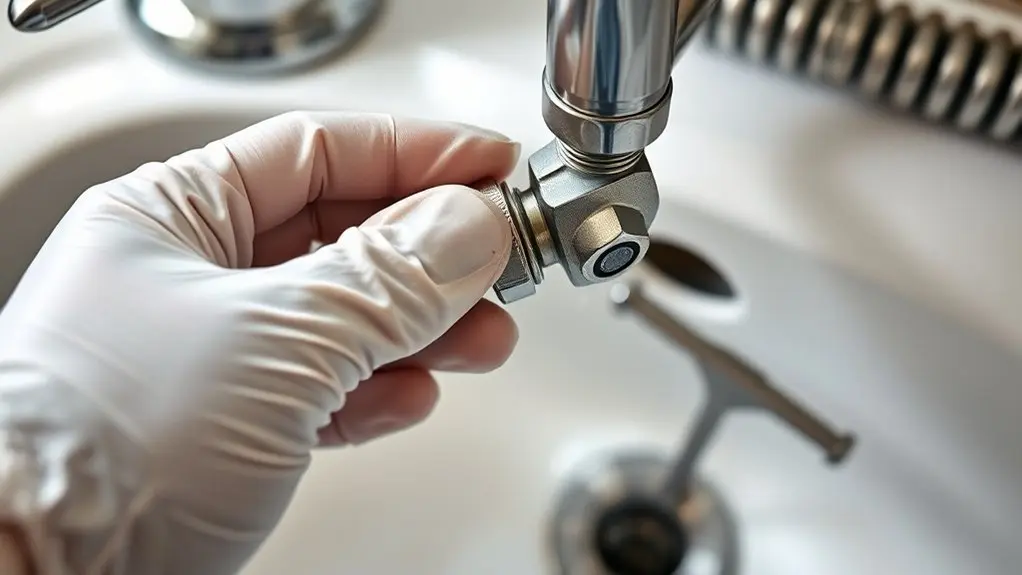
Frequently, damage to Kohler collet connectors results from improper handling during disconnection. To avoid this, squeeze the tabs firmly and evenly, ensuring you fully disengage them before pulling the connector apart.
Applying uneven pressure or forcing separation can crack or break the connector. Use slip joint pliers to improve your grip on the tabs without exerting excessive force.
Always release water line pressure beforehand to prevent sudden water spurts that can complicate the process.
Avoid generic troubleshooting steps by familiarizing yourself with the specific Kohler connector model you’re working with, as this prevents mistakes that don’t apply.
Following these precautions will help you disconnect Kohler collet connectors safely and extend their service life.
Troubleshoot Stuck Kohler Collet Connectors
Three key steps can help you troubleshoot stuck Kohler collet connectors effectively. Start by firmly squeezing the tabs; this is essential for disengagement and often overlooked. If the tabs resist, apply gentle heat to expand the plastic, easing release without damage.
Next, use a lubricant spray on the connection points to reduce friction and facilitate smoother removal.
Applying lubricant spray on connection points eases friction, making disassembly smoother and safer.
Finally, inspect the connector closely for wear or damage that may hinder disconnection. Severe damage means replacement is necessary.
Document your removal techniques to support future troubleshooting and share insights in plumbing forums. Following these steps guarantees you address common causes of stuck connectors methodically and avoid unnecessary damage during disassembly.
Leak Checks and Maintenance After Disconnecting
After you disconnect the Kohler collet connector, take a moment to inspect all the washers and O-rings. You want to make sure there’s no damage because that could cause leaks later on.
Also, check around the connection points for any water residue or buildup. If you find any, clean it off thoroughly before putting everything back together.
Once you’ve reconnected everything, keep an eye on the area for leaks. It’s a good idea to monitor it regularly and if you notice any issues, address them right away to prevent bigger problems down the line.
Post-Removal Leak Inspection
Once you disconnect the Kohler collet connector, inspect all seals and O-rings carefully for wear or damage that could cause leaks during reassembly.
Next, check the connection points on both the faucet and supply line for residual water, which can promote rust or corrosion if left unchecked. Use a towel to dry the area thoroughly, ensuring a clean surface for reconnection.
Follow these steps for effective post-removal leak inspection:
- Examine all seals and O-rings for cracks, deformation, or wear.
- Wipe down connection points to remove moisture and debris.
- Temporarily turn the water supply back on and observe for leaks before finalizing the reassembly.
This process helps prevent leaks and extends the connector’s service life.
Routine Connector Maintenance
Maintain your Kohler collet connector regularly by inspecting it for signs of wear like cracks or discoloration. This helps prevent leaks early on. After disconnecting, check the O-rings for any damage and replace them if needed.
Clean the connection points thoroughly to remove debris or mineral buildup. Apply plumber’s grease sparingly on O-rings and threads before reconnecting. This improves sealing and makes future disassembly easier.
Schedule routine maintenance every six months to guarantee peak performance and catch leaks early.
| Task | Frequency |
|---|---|
| Inspect connector surface | Every 6 months |
| Check/replace O-rings | After each disconnect |
| Clean connection points | After each disconnect |
| Apply plumber’s grease | Before reconnection |
Frequently Asked Questions
Can I Use a Flathead Screwdriver Instead of Pliers to Compress the Collet?
Yes, you can use a flathead screwdriver to compress the collet, especially in tight spaces where pliers won’t fit.
Make sure the screwdriver fits snugly in the groove to avoid damage. Apply even, gentle pressure while twisting to relieve the collet’s grip without cracking the plastic.
However, pliers typically provide better leverage and grip, making the disconnection process easier and less prone to damage.
Are Kohler Collet Connectors Compatible With All Hose Types?
No, Kohler collet connectors aren’t compatible with all hose types. You need to verify the hose size, threading, and connection style before use.
Kohler connectors often use push-to-connect fittings that won’t work with screw-on hoses. Using incompatible hoses can cause leaks or damage.
Always check the manufacturer’s specs and compatibility charts to guarantee a proper, secure fit with your Kohler collet connector, avoiding performance issues.
How Long Do Kohler Collet Connectors Typically Last Before Replacement?
Kohler collet connectors typically last between 10 to 20 years before you need to replace them. This depends on factors like water quality and how often you use them.
You should regularly check the connectors for leaks or corrosion since these are signs of wear. If you notice any difficulty disconnecting or see damage, it’s time to replace the connector.
Proper maintenance can help extend their lifespan, but keep in mind that warranties usually cover only the first year.
Can I Reconnect the Hose Without Replacing the Collet Connector?
Yes, you can reconnect the hose without replacing the collet connector if it’s undamaged.
First, clean both the hose and connector thoroughly to remove debris or limescale.
Align the hose properly with the connector and push until you hear a click, ensuring a secure fit.
If you notice leaks or looseness afterward, replace the collet connector to maintain a reliable, leak-free connection.
Is It Safe to Disconnect the Collet Connector Without Shutting off Water Completely?
No, it’s not safe to disconnect the collet connector without shutting off the water completely. Doing so risks sudden water pressure release, causing leaks or spraying.
If you can’t fully shut off the supply, partially closing the valve helps but doesn’t eliminate the risk. Always prepare towels or a bucket to catch spills.
Prioritize safety by evaluating water pressure before disconnecting to avoid damage or mess.
Conclusion
Now that you’ve mastered disconnecting your Kohler collet connector without damage, you’re one step closer to hassle-free plumbing. It’s funny how such a small clip can cause big headaches until you know the trick.
By compressing the tabs carefully and checking for leaks afterward, you guarantee a smooth, secure disconnection every time. Keep these tips handy, and you’ll tackle future maintenance with confidence and precision, saving time and frustration.