How Many Hours Do Kohler Engines Last? – The Real Numbers
You can expect Kohler engines to last between 1,000 and 2,500 hours, depending on the model and maintenance quality. Cast iron variants often reach around 2,000 hours, while aluminum engines average closer to 1,500.
Proper upkeep, such as regular oil changes every 50 hours, greatly influences longevity. Some well-maintained units have even surpassed 7,000 hours. Usage intensity and common wear factors also play key roles.
Understanding these variables will help you optimize engine performance and lifespan.
How Long Do Kohler Engines Typically Last?
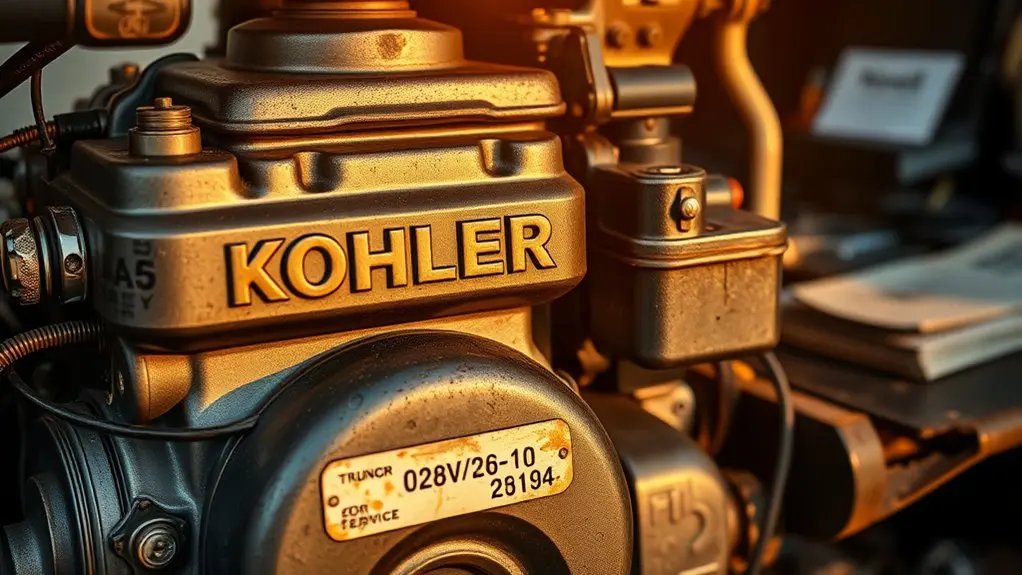
While the lifespan of Kohler engines varies with usage and maintenance, you can generally expect between 1,000 and 2,500 operational hours when following proper care protocols like regular oil changes and air filter replacements.
Kohler engines’ durability depends heavily on engine type; all-cast iron models typically reach around 2,000 hours, whereas aluminum engines with cast iron sleeves average closer to 1,500 hours. Military guidelines specify a Mean Time Between Rebuilds (MTBR) of 2,000 hours for K single-cylinder engines, reinforcing these estimates.
Community reports show variance, with some units surpassing 7,000 hours, highlighting how maintenance quality and operational conditions influence longevity.
Older Kohler engines from the 70s and 80s also demonstrate robust reliability, often achieving thousands of hours without major repairs.
You’ll find that attentive upkeep directly extends Kohler engines’ operational lifespan.
How Do Kohler Engine Models Differ in Durability?
Because Kohler engine models vary in design and materials, their durability differs considerably across the product line. When evaluating durability, factors such as cylinder head construction and engine configuration play critical roles.
Kohler engine durability varies widely, influenced by design, materials, and cylinder head construction.
You’ll find:
- Command twins and Magnum/K series twins feature reinforced cylinder heads and typically last 2,000 to 2,500 hours.
- Straight aluminum engines have simpler cylinder head designs, averaging around 1,000 hours before significant wear.
- Early 2000s models show wider variability, with some surpassing 7,000 hours due to robust cylinder head engineering.
- Internal failures and oil burning often trace back to cylinder head wear or material fatigue, impacting lifespan.
Understanding these distinctions helps you select a Kohler model aligned with your durability expectations and operational demands.
What Maintenance Extends Kohler Engine Life?
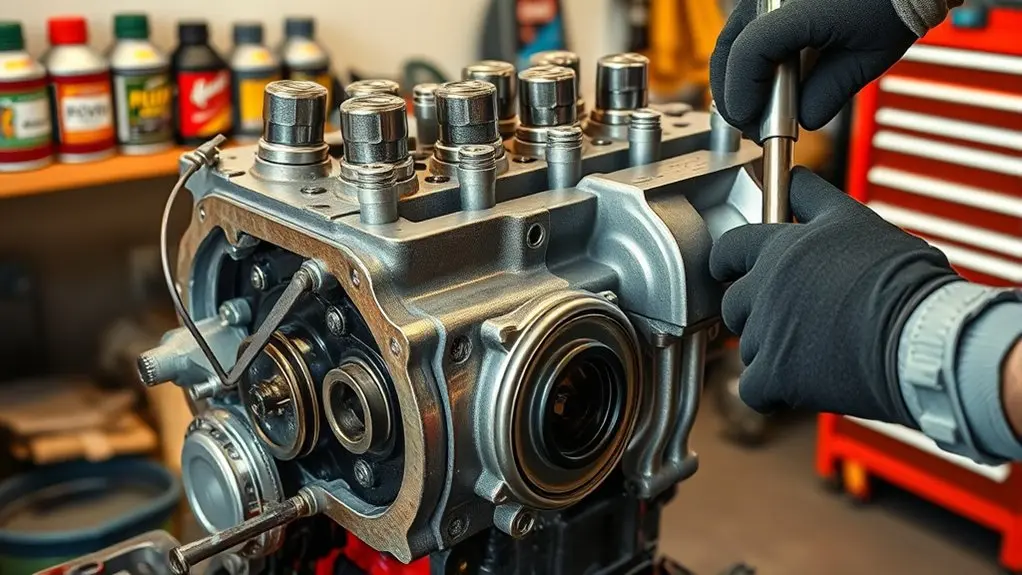
To maximize your Kohler engine’s lifespan, you need to commit to a strict maintenance schedule that includes regular oil changes every 50 hours. Proper maintenance also involves cleaning the carburetor, replacing PTO seals, and maintaining cooling fins and air filters. These tasks prevent overheating, reduce wear, and guarantee peak engine efficiency.
Keeping detailed maintenance records helps you track care patterns, which directly influences engine durability and reliability.
| Maintenance Task | Purpose |
|---|---|
| Oil Change (every 50 hrs) | Preserves engine health |
| Carburetor Cleaning | Guarantees peak performance |
| PTO Seal Replacement | Prevents further mechanical issues |
| Cooling Fins & Air Filter Care | Prevents overheating, enhances efficiency |
Adhering to these maintenance steps systematically extends your Kohler engine’s functional life.
How Different Usage Patterns Impact Kohler Engine Lifespan
You’ll notice that how often and hard you use your Kohler engine really impacts how quickly it wears out and how long it lasts. When you use it heavily, the engine tends to degrade faster, but keeping up with regular maintenance can slow down that wear.
Usage Intensity Effects
Kohler engines can last anywhere from 1,000 to over 7,000 hours, depending largely on how intensively you use them and maintain their condition. Usage intensity directly affects engine wear; heavy workloads accelerate degradation, reducing lifespan.
Proper oil management is critical. Neglecting oil changes under high usage causes premature failure. Consider these factors:
- Commercial, intensive use demands more frequent oil changes (every 50 hours) to combat accelerated wear.
- Prolonged idling or inconsistent operation can lead to oil burning and internal damage.
- Engines under light or moderate load typically achieve longer service intervals and overall lifespan.
Kohler’s overhead valve design improves durability but relies on consistent oil quality and usage patterns to perform effectively.
Maintenance Frequency Role
Consistent maintenance intervals, such as oil changes every 50 hours, play a crucial role in prolonging engine life, especially under varying usage patterns.
Maintenance frequency directly influences wear rates because neglecting timely oil, air filter, and carburetor servicing accelerates component degradation.
You’ll find that sticking to prescribed maintenance schedules prevents buildup and overheating, which minimizes premature failures.
Operating within horsepower limits and reducing idle time also helps reduce stress on internal parts.
Documenting maintenance history boosts your ability to track and optimize these intervals, which correlates with extended engine longevity.
Some Kohler engines even surpass 4,500 hours this way.
On the other hand, irregular maintenance frequency, like skipping decarbonization or cooling system cleaning, can drastically cut operational hours.
This often limits engines to under 2,500 hours.
What Common Issues Shorten Kohler Engine Hours?
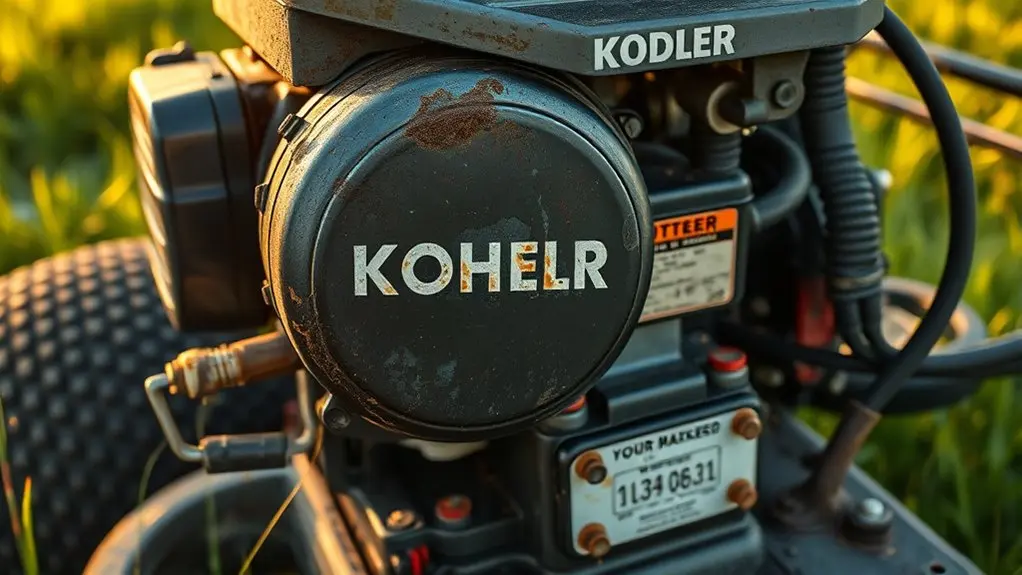
You’ll often notice that excessive oil consumption is a big red flag. It usually points to underlying problems like worn piston rings or faulty seals, and these issues speed up engine wear.
Then there’s the cooling system. When it fails, your engine can overheat, which might cause serious damage to key components and cut down your engine’s running time.
On top of that, regular wear and tear is something you can’t ignore. If you don’t take care of it quickly, it can really shorten the lifespan of your Kohler engine.
Oil Consumption Problems
Many engines start showing significant oil consumption issues after just 1,500 hours of use. This often signals worn piston rings or valve seals that need prompt attention.
You should monitor oil at every service interval to prevent accelerated wear or catastrophic failure.
Some engines burn oil even before 500 hours due to defects or faulty components like oil pumps. Carbon buildup makes oil burning worse, so regular decarbonization is essential.
Neglecting routine maintenance drastically reduces engine lifespan.
Key factors affecting oil consumption include:
- Worn piston rings and valve seals causing oil leakage
- Faulty oil pumps failing to regulate oil flow
- Carbon deposits increasing oil burn rates
- Infrequent oil changes and air filter replacements leading to contamination
Addressing these issues promptly helps extend your Kohler engine’s effective hours.
Cooling System Failures
Although Kohler engines are known for their durability, cooling system failures remain a critical factor that can sharply reduce engine hours. Overheating caused by clogged cooling fins and dirty air filters restricts airflow, compromising the engine’s ability to dissipate heat efficiently.
This thermal stress accelerates premature wear and shortens overall lifespan. You must regularly inspect and clean the cooling fins using compressed air to remove debris buildup, which is a common culprit in severe overheating incidents.
Neglecting these maintenance steps leads to elevated operating temperatures, diminishing performance and risking early engine failure. Many users report that vigilant cooling system care directly correlates with extended engine hours and sustained reliability.
Prioritizing these measures guarantees your Kohler engine maintains satisfactory thermal regulation and longevity.
Component Wear And Tear
Component wear and tear greatly impacts Kohler engine longevity, with failures in critical parts like oil pumps and piston rings leading to severe performance issues or complete engine breakdowns.
You’ll find that common problems accelerating wear include:
- Oil pump failures causing inadequate lubrication
- Piston ring wear leading to oil burning and compression loss
- Valve seat drops and head gasket failures, sometimes in low-hour engines
- Neglected maintenance, such as skipped oil/filter changes and cooling system cleaning
These issues show that both mechanical stress and insufficient upkeep drive premature Kohler engine failure.
Furthermore, variations in design and manufacturing quality affect component durability across models.
To maximize your Kohler engine’s service hours, you must monitor these wear factors closely and stick strictly to maintenance schedules to avoid costly repairs or early replacement.
How Do Kohler Engines Compare to Other Brands?
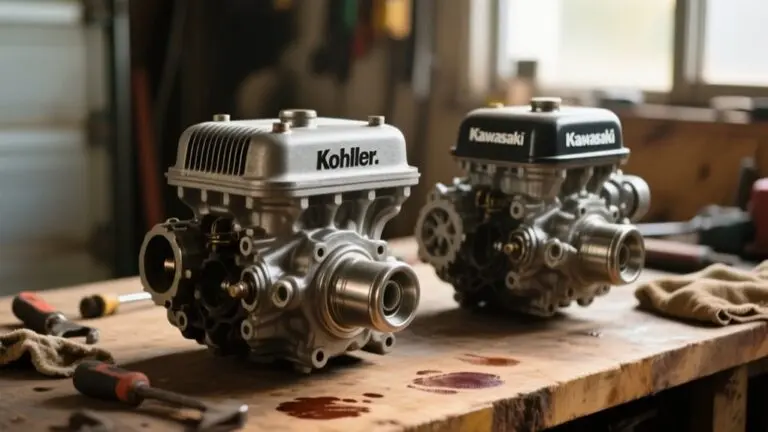
When evaluating Kohler engines against competitors, you’ll find their lifespan generally ranges from 1,000 to 2,500 hours. Well-maintained units sometimes surpass 7,000 hours. Kohler often excels in commercial performance but faces mixed reliability reviews compared to Briggs & Stratton and Kawasaki.
Kawasaki’s liquid-cooled engines typically offer superior longevity under similar conditions. Older Kohler designs also show more durability than some newer models, emphasizing craftsmanship that lasts for years to come.
| Brand | Typical Lifespan (hours) |
|---|---|
| Kohler | 1,000–2,500 (up to 7,000) |
| Briggs & Stratton | 1,000–2,000 |
| Kawasaki | 2,500–5,000+ |
| Kohler (vintage) | Often exceeds newer models |
What Real Users Are Saying About Kohler Engine Lifespan
Since Kohler engines’ lifespan varies across models and maintenance levels, real users provide valuable insights into their actual durability. Reports from early 2000s models indicate operational ranges from 1,000 to over 7,000 hours with proper upkeep. User feedback highlights a broad spectrum of experiences, emphasizing maintenance’s critical role.
Many owners achieve 2,000 to 2,500 hours routinely through consistent oil changes and carburetor cleaning. Some engines surpass typical hours, reflecting exceptional longevity beyond manufacturer estimates.
Consistent oil changes and carburetor cleaning help many owners reach 2,000 to 2,500 hours or more.
Variability exists, with certain models experiencing premature wear and reduced functional hours. Communities like eXmark users stress detailed maintenance logs to optimize engine lifespan and performance.
Your engine’s actual hours depend heavily on maintenance rigor and model-specific factors, as real user data confirms.
Kohler Engine Innovations That Boost Durability
Although durability depends on maintenance and usage, Kohler greatly enhances engine lifespan through innovative technologies. You benefit from cast iron cylinder liners that resist wear and robust crankshafts designed for heavy-duty operation.
The Overhead Valve (OHV) technology improves combustion efficiency, reducing engine stress. Optimized cooling systems prevent overheating, a primary cause of engine failure.
Moreover, Electronic Fuel Injection (EFI) enhances fuel delivery, emissions, and starting reliability. Kohler’s investment in hybrid technology signals ongoing durability improvements and environmental focus.
| Innovation | Durability Benefit |
|---|---|
| Cast Iron Cylinder Liners | Minimize wear, extend engine life |
| OHV Technology | Improves combustion efficiency |
| Robust Crankshafts | Supports heavy-duty, prolonged use |
| Optimized Cooling | Prevents overheating, reduces failure |
| EFI Technology | Enhances fuel efficiency and reliability |
Frequently Asked Questions
What Warranty Coverage Do Kohler Engines Typically Offer?
Kohler engines typically offer a warranty of 2 to 3 years for residential use and around 1 year for commercial applications.
This coverage includes defects in materials and workmanship but usually excludes normal wear or improper maintenance.
Certain models, like the Command Pro series, provide extended warranties.
You should register your engine promptly to guarantee eligibility and follow maintenance guidelines strictly to keep your warranty valid and protect your investment effectively.
Are Kohler Engines Suitable for Cold Weather Operation?
You know what they say: “The proof is in the pudding.”
Kohler engines are indeed suitable for cold weather operation. They’re built with robust materials and high-quality seals that reduce oil leaks and maintain performance in low temperatures.
To optimize efficiency, you should use lighter oils and follow proper winterization.
Furthermore, Kohler’s cold-weather kits can enhance reliability, ensuring your engine runs smoothly even in harsh winter conditions.
Where Can I Buy Genuine Kohler Engine Replacement Parts?
You can buy genuine Kohler engine replacement parts directly from Kohler’s official website or through their authorized dealers listed online.
Many outdoor power equipment retailers also stock these parts, providing convenient access.
Online marketplaces like Amazon or eBay offer options, but you should verify authenticity to avoid counterfeits.
Furthermore, local small engine repair shops often carry genuine Kohler parts and can assist with proper installation and maintenance advice.
How Fuel-Efficient Are Kohler Engines Compared to Others?
Imagine you run a landscaping business and switch to Kohler engines; you’ll notice up to 15% less fuel consumption compared to traditional carbureted models.
Kohler’s advanced OHV design and Electronic Fuel Injection optimize combustion and airflow, reducing fuel waste.
Their low-friction components further improve efficiency, helping you save on fuel costs.
With proper maintenance, you’ll consistently get superior fuel economy, making Kohler engines more efficient than many competitors in similar categories.
Can Kohler Engines Be Used for Marine Applications?
Yes, you can use Kohler engines for marine applications. They’re built with robust construction and advanced cooling systems to handle harsh marine environments.
Kohler offers specific marine models featuring enhanced torque and corrosion resistance.
To maximize performance and lifespan, you’ll need to follow strict maintenance routines, including regular oil changes and corrosion prevention.
With proper care, these engines deliver reliable, long-lasting service comparable to their land-based counterparts.
Conclusion
You might expect Kohler engines to wear out quickly under heavy use, but their robust engineering often defies that assumption, delivering thousands of reliable hours.
Conversely, neglecting maintenance can drastically shorten their lifespan despite advanced design. By balancing regular care with appropriate usage, you’ll maximize durability and efficiency.
Ultimately, Kohler’s innovations set them apart, yet your commitment to upkeep remains the decisive factor in how long these engines truly last.