
Does A Hot Shower Help A Cold – Here’s the Truth
A hot shower can help ease your cold symptoms by loosening mucus, clearing congestion, and soothing sore muscles. The steam moisturizes your airways, reducing irritation and promoting mucus drainage. The warmth also stimulates salivation for added relief.
However, it won’t speed up recovery and may worsen symptoms if you have a fever or asthma. Combining hot showers with other remedies can enhance comfort and symptom control.
Keep exploring to understand the best practices and precautions for using hot showers when you’re sick.
How Hot Showers Affect Cold Symptoms
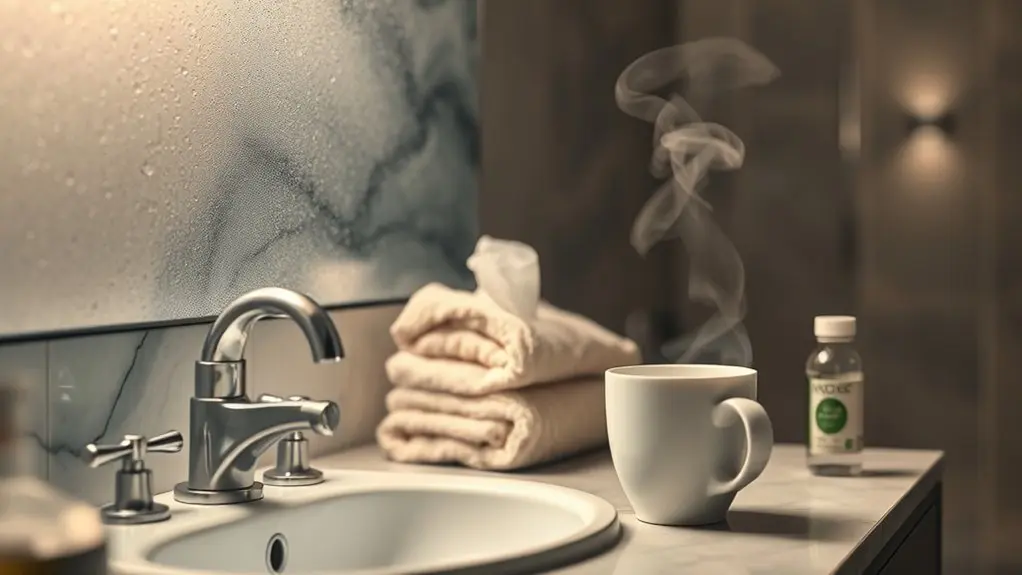
Although a hot shower won’t cure your cold, it can effectively alleviate several symptoms by clearing your airways and reducing congestion. When you take a hot shower, the warmth stimulates salivation and increases airway mucus secretions, which soothe irritated throat tissues.
This process provides immediate relief from cold symptoms such as a runny nose and cough. Regularly taking hot showers can improve your overall comfort during a cold, aiding symptom management.
Moreover, incorporating menthol or camphor-based products, like Vicks vaporub, during your shower may enhance this relief.
Evidence from the Common Cold Centre supports that combining hot drinks and steam inhalation through a hot shower offers sustained alleviation of cold symptoms, making this a practical method for managing discomfort.
Why Steam From Hot Showers Clears Congestion
When you take a hot shower, the steam adds moisture to your airways. This helps clear up congestion because it thins out the mucus.
Plus, if you add menthol, it can boost this effect by activating cold receptors that help open up your nasal passages.
The warmth from the water doesn’t just feel good—it also improves blood circulation. That helps reduce inflammation, making it easier for you to breathe.
Steam Promotes Airway Moisture
Because steam from hot showers increases moisture in your airways, it offers immediate relief from congestion by soothing irritated nasal passages. The warmth enhances blood flow, boosting your body’s ability to clear mucus.
Steam inhalation also stimulates salivation and mucus production, adding essential airway moisture that eases coughing and throat discomfort. Studies confirm that regular exposure to steam markedly reduces runny nose and sore throat symptoms. This supports sustained respiratory health by maintaining hydrated, less inflamed airways.
| Benefit | Mechanism | Result |
|---|---|---|
| Airway Moisture | Steam inhalation | Soothes nasal irritation |
| Increased Blood Flow | Heat from steam | Enhances mucus clearance |
| Salivation Stimulation | Warm moisture | Eases throat discomfort |
| Symptom Reduction | Regular steam exposure | Less runny nose, sore throat |
| Respiratory Health | Hydrated airways | Reduced inflammation |
Menthol Enhances Congestion Relief
If you add menthol to the steam from a hot shower, you’ll notice an enhanced sensation of nasal clearance. Menthol activates cold receptors in your skin, generating a cooling effect that alleviates nasal congestion.
Combined with the humid air from a hot shower, menthol’s action helps thin mucus and promotes sinus drainage. This dual effect provides more effective congestion relief than steam alone.
Furthermore, inhaling menthol-infused steam can soothe irritated airways and reduce inflammation, making breathing easier during a cold. Scientific studies support that steam inhalation paired with menthol leads to sustained congestion relief.
Consequently, using menthol during a hot shower can greatly improve your comfort by enhancing the clearing of nasal passages and easing cold symptoms.
Hot Water Opens Passages
Although you mightn’t immediately notice, the steam generated by a hot shower actively opens your nasal passages, making it easier to breathe and clear congestion. The hot steam promotes airway mucus secretion and salivation, which help relieve symptoms like a runny nose and cough.
Furthermore, steam inhalation soothes irritated airways, reducing congestion discomfort. The heat from the hot water also increases blood flow, potentially accelerating symptom relief.
Research supports that both hot steam and hot drinks provide immediate and sustained alleviation of cold symptoms.
How Hot Showers’ Warmth Soothes Muscle Aches
When you take a hot shower, the warmth increases blood flow and promotes circulation. This helps relax tense muscles and supports the healing process.
This warm shower soothes muscle aches by reducing stiffness and enhancing flexibility, letting your muscles regain comfort more quickly. The steam from the hot water also aids relaxation by opening your airways. This enables deeper breathing, which complements muscle relief.
Research shows that heat from hot water activates your body’s natural pain-relief mechanisms, offering temporary respite from soreness.
Incorporating regular warm showers alongside treatments like stretching or massage can boost recovery from muscle aches.
Does Taking a Hot Shower Speed Up Cold Recovery?

While hot showers don’t directly speed up your cold recovery, they provide immediate symptom relief that can make coping easier. A hot shower promotes salivation and airway mucus secretions, soothing sore throats and reducing coughing.
Hot showers ease cold symptoms by soothing sore throats and reducing coughing through steam and mucus promotion.
The steam helps clear airways and alleviates nasal congestion, making breathing easier. Evidence shows that hot beverages, similar to hot showers, offer sustained comfort and hydration during a cold.
Consider these benefits of a hot shower for cold recovery:
- Soothes irritated airways through steam inhalation
- Relieves nasal congestion for easier breathing
- Reduces throat irritation by promoting mucus secretion
- Enhances overall comfort, aiding your body’s ability to cope
Thus, while it won’t shorten your illness, a hot shower supports symptom management during cold recovery.
When Should You Skip Hot Showers During a Cold?
Hot showers can offer relief from cold symptoms, but there are times when you should avoid them to prevent making your condition worse. If you have chills, fever, or feel faint, a hot bath might raise your body temperature or increase weakness.
Those with asthma or sensitive skin should also skip hot showers. Steam and hot water can aggravate breathing difficulties or irritate the skin, which can negatively affect your health.
| Condition | Why to Skip Hot Showers |
|---|---|
| Fever or chills | Raises body temperature further |
| Feeling faint | May worsen dizziness or fatigue |
| Asthma | Steam can intensify coughing/wheezing |
| Sensitive skin | Hot water causes irritation |
| Overheating/sweating | Prolongs discomfort, slows recovery |
Avoiding hot showers in these situations helps you stay healthier during a cold.
How to Maximize Symptom Relief From a Hot Shower

To get the most relief from a hot shower, start by making sure your bathroom is well-sealed. This helps keep the steam inside, which is great for your breathing.
You might also want to try using menthol-based products—they can really help open up your airways and make you feel more comfortable.
Also, it’s important to keep the shower temperature steady. That way, you can enjoy the benefits without feeling too hot or irritated.
Little adjustments like these can make a big difference in how much relief you feel.
Optimize Steam Inhalation Benefits
Although taking a shower is a simple routine, you can optimize its steam inhalation benefits to considerably relieve cold symptoms.
Steam inhalation effectively loosens mucus and soothes the respiratory system, easing congestion and coughing.
To maximize this relief during a hot shower, take into account these strategies:
Enclose the bathroom to trap steam, creating a humid environment that enhances respiratory benefits.
Inhale steam for at least 10-15 minutes to achieve sustained symptom relief.
Incorporate essential oils like eucalyptus or peppermint to amplify the soothing effects on irritated airways.
Maintain consistent water temperature to guarantee continuous steam production throughout your shower.
Use Menthol-Based Products
Menthol-based products like Vicks Vaporub can greatly enhance the relief you experience during a hot shower by soothing irritated airways with their distinctive cooling sensation.
Applying these products before your shower allows the steam and heat to activate menthol’s properties effectively.
This combination increases salivation and airway mucus secretion, which helps alleviate symptoms such as a runny nose and sore throat.
Furthermore, inhaling menthol vapors during the shower intensifies the soothing effects, reducing discomfort from congestion and cough.
Studies confirm that menthol-based products improve your overall symptom relief by complementing the heat’s impact on respiratory pathways.
To maximize benefits, incorporate menthol-based products into your routine before entering the shower for the best therapeutic effects.
Maintain Shower Temperature Consistency
Building on the benefits of menthol-infused steam, maintaining a consistent shower temperature plays a key role in maximizing symptom relief during a cold. A steady hot shower helps keep your airways open, providing sustained relief from congestion.
To optimize benefits, consider the following:
- Set the temperature to comfortably hot, avoiding scalding to prevent burns.
- Limit your shower to 10-15 minutes to prevent skin dryness while ensuring effective steam inhalation.
- Use steam to promote mucus secretion, which clears nasal passages and soothes a sore throat.
- Add menthol or eucalyptus oils to enhance steam’s decongestant effects.
How Hot Showers Stack Up Against Other Cold Remedies
When you’re battling a cold, hot showers offer distinct advantages over other remedies by combining steam and warmth to clear airways and reduce congestion effectively.
Unlike hot drinks, which primarily soothe throat discomfort, hot showers enhance salivation and airway mucus secretions through steam inhalation, providing extensive respiratory relief.
They also soothe irritated airways and promote relaxation, contributing to improved well-being during cold symptoms.
Furthermore, maintaining good hygiene with regular hot showers supports overall health, which is vital when fighting a cold.
While other remedies address specific symptoms, hot showers uniquely integrate multiple benefits: steam, warmth, and hygiene, making them an effective, evidence-based option for managing cold symptoms and enhancing respiratory comfort.
Combining Hot Showers With Other Effective Cold Treatments
Although hot showers alone provide significant relief from cold symptoms, combining them with other proven treatments can enhance your recovery.
Integrating hot showers with complementary cold remedies creates a synergistic effect that maximizes symptom relief and supports immune function. Consider these evidence-based strategies:
Use steam inhalation with menthol or camphor during hot showers to clear airways and reduce congestion effectively.
Drink hot fluids alongside showers to boost salivation and mucus secretion, easing cough and sore throat.
Maintain hygiene through regular hot showers, supporting overall health and complementing supplements like zinc or Echinacea.
Combine hot showers with immune-boosting nutritional remedies such as sage tea or garlic for enhanced symptom alleviation.
This combined approach amplifies the benefits of hot showers and cold remedies, facilitating a faster, more comfortable recovery.
Myths and Facts About Hot Showers and Colds
How effective are hot showers in treating a cold?
Hot showers don’t cure colds but can temporarily alleviate congestion and other symptoms. The steam promotes salivation and airway mucus secretions, helping clear nasal passages and soothe sore throats.
Hot showers don’t cure colds but temporarily ease congestion by loosening mucus and soothing sore throats.
This effect is similar to hot drinks like chicken soup or honey and lemon, which also provide symptomatic relief.
Contrary to some myths, hot showers don’t shorten the cold’s duration but improve comfort while the virus runs its course.
Regular hot showers also maintain hygiene, supporting overall health and potentially reducing illness spread.
Understanding these facts helps you use hot showers effectively, focusing on symptom management rather than expecting a cure, ensuring better cold care based on evidence.
Frequently Asked Questions
Can Hot Showers Help Prevent Catching a Cold?
Hot showers alone won’t prevent you from catching a cold, but they can support your immune response by promoting relaxation and improving circulation.
The steam benefits help clear your airways, easing congestion and reducing discomfort, which indirectly supports your body’s defenses.
However, you still need good hygiene and health practices to effectively lower your cold risk.
Relying solely on hot showers won’t guarantee prevention, but they can be a helpful part of your routine.
Are Hot Showers Safe for Children With Colds?
You might imagine turning your child into a steam-powered superhero with hot water benefits, but safety comes first.
Hot showers can be safe for children with colds if you control the temperature around 37-40°C and limit shower time.
This supports children’s health by easing congestion without overheating. Always supervise closely, ensuring comfort and hydration.
How Often Should You Take Hot Showers When Sick?
You should take hot showers 1-2 times daily when sick to maximize steam inhalation benefits. Each session should last about 10-15 minutes, aligning with shower duration recommendations to effectively loosen mucus and relieve congestion.
This frequency balances symptom relief and avoids excessive heat exposure, which could cause discomfort.
Listening to your body remains essential; if you feel dizzy or unwell, reduce shower time or frequency accordingly for safe, effective care.
Do Hot Showers Affect Cold Symptoms Differently by Age?
You might be surprised to learn that hot showers do affect cold symptoms differently depending on age factors. Your immune response changes over time, influencing how you experience relief.
Older adults often get more pronounced benefits due to increased airway sensitivity, easing congestion and coughing.
In contrast, children’s active immune systems react differently, requiring caution to avoid overheating.
Understanding these nuances helps you tailor hot shower use for effective symptom relief safely.
Can Hot Showers Worsen Skin Dryness During a Cold?
Yes, hot showers can worsen skin dryness during a cold.
While steam benefits your respiratory system, the high temperature strips away natural oils, reducing skin hydration.
This loss accelerates dryness, flaking, and irritation, especially when your skin is already vulnerable.
To protect your skin, limit shower time and water temperature.
After showering, apply a moisturizer to restore hydration and maintain skin barrier function effectively during illness.
Conclusion
While hot showers can ease your congestion and soothe aching muscles, they don’t actually shorten the duration of a cold. The comforting warmth provides symptomatic relief, yet it’s no substitute for rest, hydration, and proper medical care.
Balancing the immediate comfort of steam with evidence-based treatments guarantees you manage symptoms effectively without overestimating the shower’s healing power. Ultimately, hot showers complement, but don’t replace, the all-encompassing approach needed to recover from a cold.