How To Tighten Kohler Toilet Seat – Step-by-Step Guide
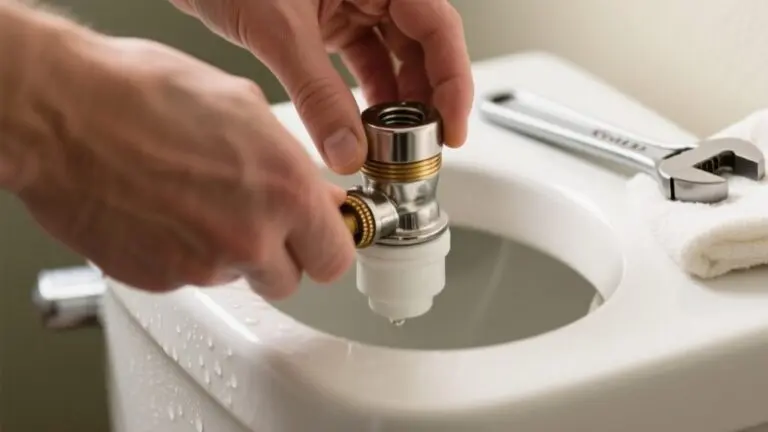
To tighten your Kohler toilet seat, start by opening the hinge covers to access the mounting screws. Use a screwdriver to turn screws clockwise while holding the nuts underneath with an adjustable wrench. Tighten until firm but avoid overtightening to prevent damage.
Check stability and eliminate wobble by adjusting evenly. If hardware shows wear, replace it with a mounting kit and consider adding rubber washers for extra grip. Keep following for detailed troubleshooting and maintenance tips.
Why a Tight Kohler Toilet Seat Matters
Although it may seem minor, tightening your Kohler toilet seat is essential for safety and comfort. A secure toilet seat prevents slipping, reducing accident risks, especially for children and the elderly.
By eliminating any wobble or sliding sensation, you improve stability and user comfort. Tight toilet seats also minimize gaps between the seat and the toilet bowl, limiting moisture and bacteria buildup and promoting hygiene.
Eliminating wobble enhances comfort and tight seats reduce gaps, boosting stability and hygiene.
Furthermore, a firmly fastened seat helps prevent hardware wear, safeguarding the toilet bowl from potential damage and costly repairs.
Regularly inspect and tighten your toilet seat to maintain peak function and avoid loosening over time.
Prioritizing this simple maintenance step guarantees your Kohler toilet seat remains safe, comfortable, and hygienic for everyday use.
Tools and Parts You’ll Need to Fix Your Kohler Seat
To tighten your Kohler toilet seat effectively, gather five essential tools and parts: a screwdriver (Phillips or flat-head) to secure mounting screws, an adjustable wrench or pliers for turning nuts beneath the bowl, a replacement mounting kit with bolts, nuts, and washers if hardware is damaged, a cleaning rag and spray to sanitize the hinge area, and rubber washers to improve grip and stability.
These tools guarantee you can address any loosening or corrosion issues typical with older seats. If you’re installing a new toilet or replacing a seat, always use the supplied mounting kit for proper fitment.
Rubber washers enhance friction between components, preventing future loosening.
Keeping your tools and parts ready will streamline tightening and maintain your Kohler seat’s stability and hygiene.
How to Open Kohler Seat Hinge Covers
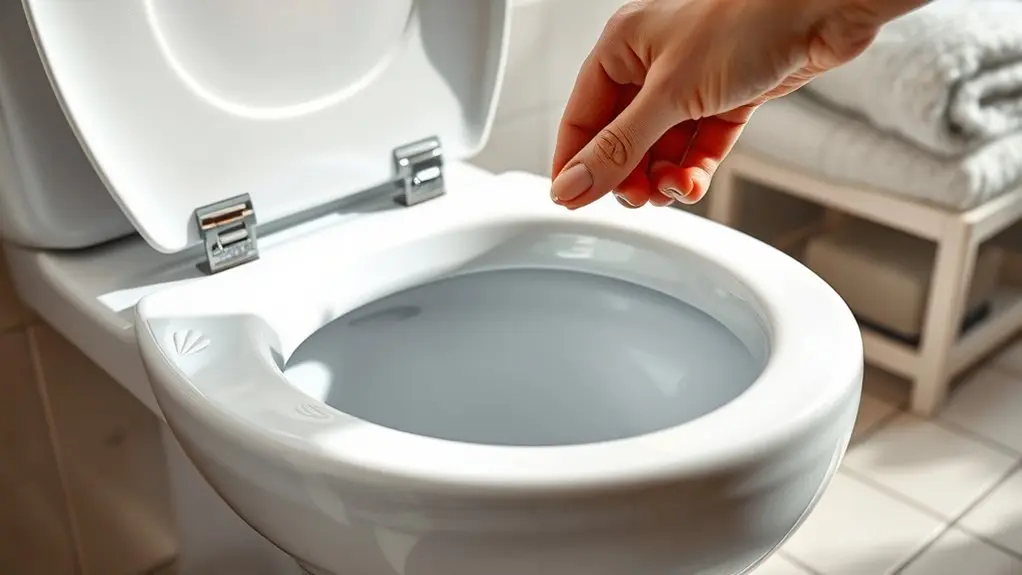
After gathering the necessary tools and cleaning supplies, you’ll need to access the screws hidden beneath the Kohler seat’s hinge covers. These plastic covers secure the mounting screws, so opening them is essential.
Accessing the screws beneath the hinge covers is crucial for securing your Kohler toilet seat properly.
- Locate the hinge covers at the back of the seat. They’re designed to snap on, concealing the screws beneath.
- Use a flat-head screwdriver or your fingers to gently pry open the covers. Apply steady, cautious pressure to avoid cracking the plastic.
- Once opened, clean the revealed area with a spray and rag to remove grime, ensuring no debris interferes with screw adjustment or reattachment.
Opening these covers carefully prepares you for tightening or replacing the seat screws, keeping your Kohler toilet seat securely mounted.
Step-by-Step Guide to Tightening Your Kohler Toilet Seat
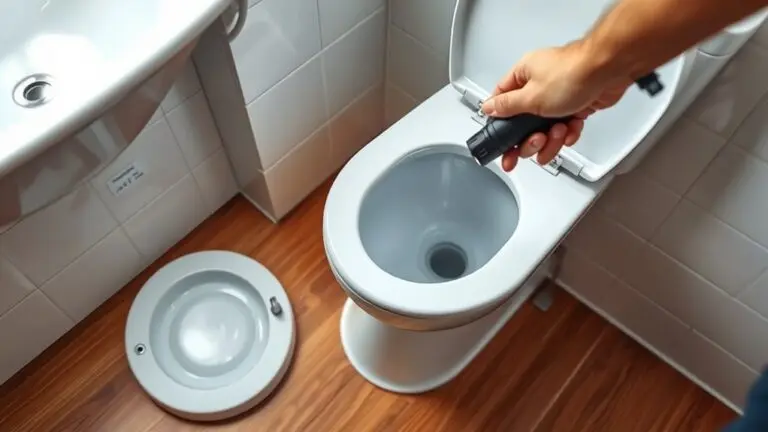
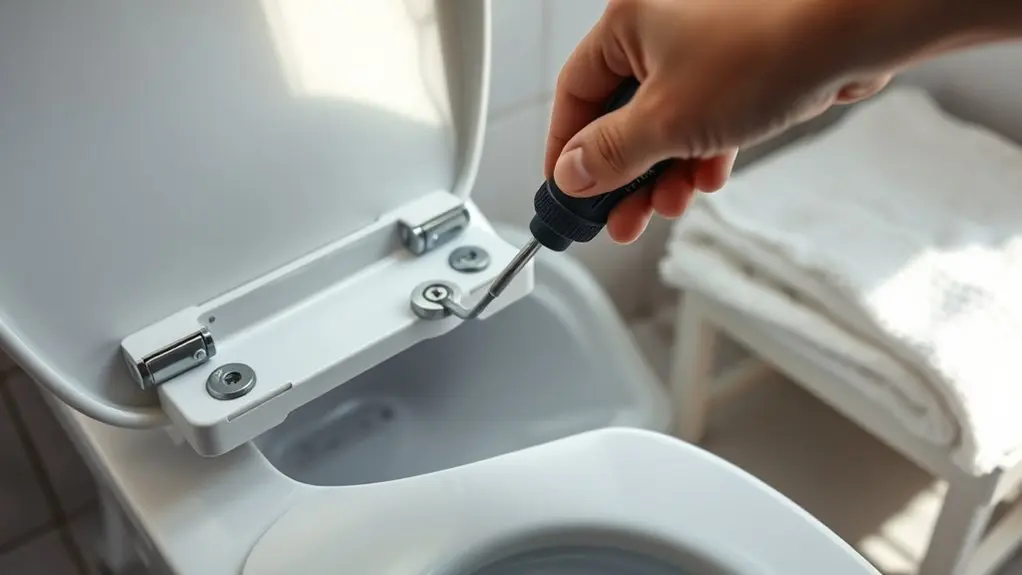
Start by locating the hinge covers at the back of your Kohler toilet seat and carefully prying them open to expose the mounting screws.
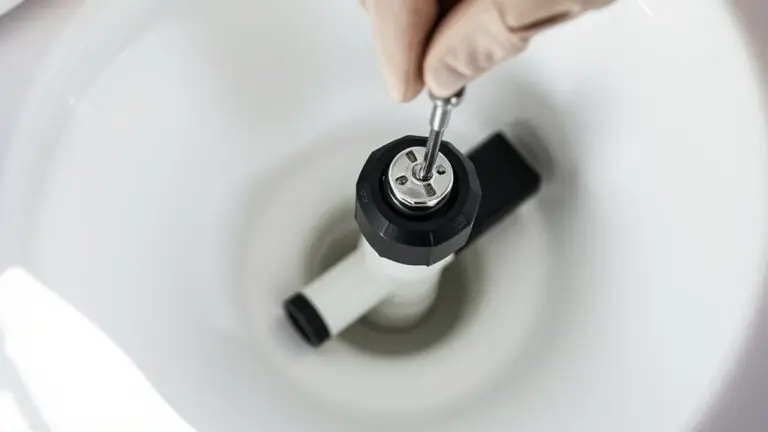
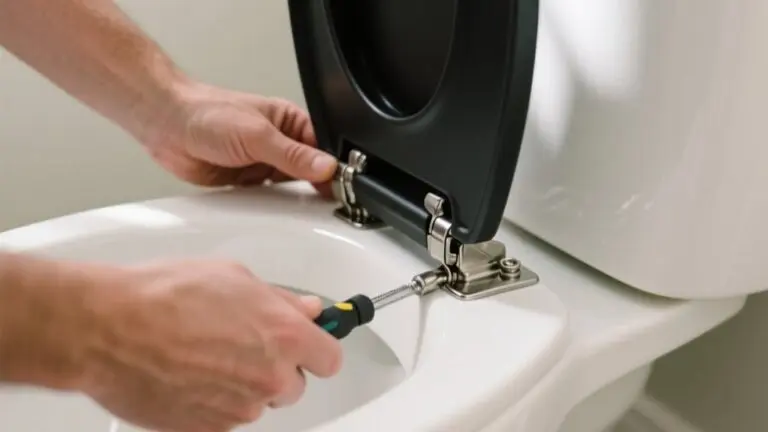
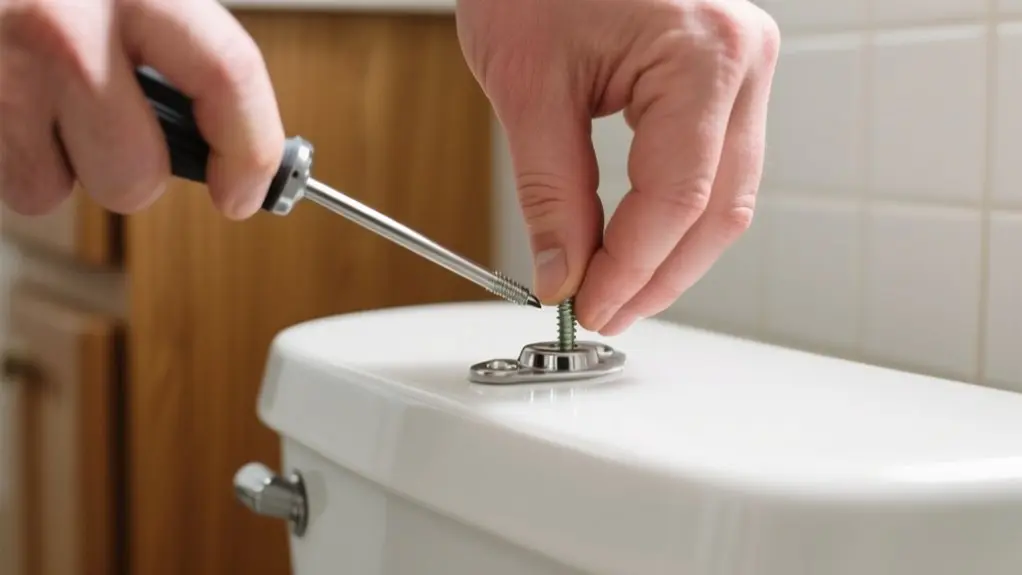
Use a screwdriver to turn the top-mount screws clockwise to tighten them.
For bottom-mount screws, hold the nut underneath with an adjustable wrench while tightening the screw from above.
Tighten each screw until you feel resistance but avoid overtightening, which can damage the seat or mounting hardware.
Once secure, snap the hinge covers back into place to protect the screws from moisture and maintain a clean look.
Repeat this process on both sides of the seat.
Regularly check the tightness every few months to prevent loosening and guarantee your toilet seat remains firmly fixed and functional.
Checking Kohler Seat Stability and Adjusting the Fit
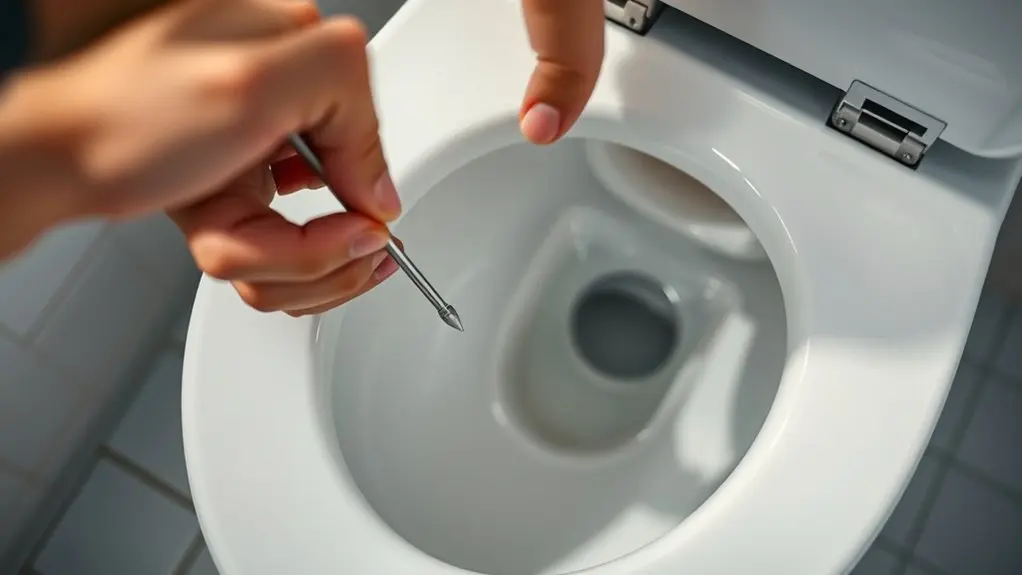
Start by gently rocking the Kohler seat to see if there’s any wobble—that usually means there are loose screws or it’s a bit misaligned.
Then, take a quick look to make sure the seat is centered over the bowl. If it’s off, just adjust it until it sits right.
Finally, pop open the hinge covers to get to the screws and tighten them up. That way, you’ll have a nice, secure fit.
Assess Seat Wobble
A wobbling Kohler toilet seat signals loose fittings that compromise stability. To assess the wobble, gently rock the seat side to side and front to back. Identify any movement that indicates looseness.
Then, visually inspect the hinge covers at the back for exposed screws or signs they need tightening. If you find wobble, check the tightness of both top-mount and bottom-mount screws.
Use an adjustable wrench or pliers to confirm nuts beneath the seat are firmly secured. Perform these checks regularly to prevent future instability.
- Rock the seat gently to detect looseness.
- Inspect hinge covers for screw exposure or looseness.
- Verify and tighten all mounting screws and nuts evenly to maintain alignment.
Align And Tighten
Once you’ve identified any wobble and located loose screws, focus on properly aligning the Kohler toilet seat over the bowl. Center the seat carefully to guarantee even placement.
Use an adjustable wrench to hold the nut securely underneath while tightening the screw from above. This prevents uneven pressure that can cause instability.
Tighten both screws equally until you feel resistance, but avoid overtightening to prevent damage.
After securing the screws, gently rock the seat to confirm it remains stable without movement. If you notice any wobble, adjust and retighten as needed.
Regularly inspect the seat’s alignment and stability every few months to catch loosening early and maintain a secure fit. Following these steps will guarantee a properly aligned, stable Kohler toilet seat.
Fixing a Loose Kohler Seat: Troubleshooting Common Issues
If your Kohler seat keeps loosening, the first thing you’ll want to do is take a close look at the screws and nuts. Sometimes they wear out or weren’t installed quite right to begin with.
Next, try adjusting the bolts evenly on both sides. This helps get rid of any sideways movement that might be causing the seat to wobble. If it’s still loose, adding rubber washers can really help improve the grip.
Make it a habit to regularly check the hardware for any damage. Replacing worn-out screws or nuts before they cause problems will keep your seat stable and secure for the long haul.
Identifying Loose Seat Causes
Three primary causes often lead to a loose Kohler toilet seat: wear and tear from regular use, improper installation, and weakened components such as plastic washers.
To identify the root cause, follow these steps:
- Inspect the screws or bolts for looseness or missing hardware. Repeated use can cause instability.
- Examine the hinge covers for cracks or broken parts that disrupt alignment and cause wobbling.
- Check plastic washers for wear or degradation. These components lose effectiveness over time and reduce grip.
Addressing these issues helps you target the exact cause of looseness.
Proper diagnosis guarantees you apply the correct tightening method and replacement parts, restoring seat stability efficiently.
Preventing Recurring Issues
To prevent your Kohler toilet seat from loosening repeatedly, start by inspecting all hardware for signs of wear or damage and replace any compromised bolts or nuts.
Use rubber washers to increase friction between bolts and nuts, which helps keep things stable.
Make sure the seat is properly centered over the bowl to avoid uneven pressure and sideways movement.
Tighten screws evenly and firmly, but be careful not to overtighten since that can crack the porcelain.
Regularly check the tightness every few months because daily use gradually loosens hardware.
If you run into rusted bolts or porcelain cracks that complicate repairs, it’s best to consult a professional for safe removal and replacement.
Following these steps will help minimize recurring loosening and keep your toilet seat secure and stable over time.
Replacing Hardware and Adding Rubber Washers for Stability
Replacing worn or damaged hardware is essential for maintaining the stability of your Kohler toilet seat. Start by removing the old screws and nuts, then install a replacement mounting kit to make certain you have the proper bolts, nuts, and washers.
Replacing worn hardware ensures your Kohler toilet seat stays stable and secure.
Add rubber washers between the nut and bolt to increase friction, which helps prevent loosening from regular use.
Follow these steps:
- Use stainless steel screws and nuts for durability and rust resistance in moist bathroom conditions.
- Insert rubber washers between metal components to enhance grip and reduce movement.
- Tighten all hardware securely and verify alignment to avoid future wobbling or instability.
This approach guarantees a firm, long-lasting fit for your Kohler toilet seat.
When to Call a Pro for Kohler Toilet Seat Repairs
How do you know when it’s time to call a professional for Kohler toilet seat repairs? If the seat remains loose after multiple adjustments, it could indicate underlying hardware problems needing expert assessment.
Rusted or stripped bolts often require specialized tools for safe removal, so avoid risking further damage by consulting a professional.
Furthermore, cracked porcelain around the mounting area compromises stability and must be evaluated by a skilled technician to prevent worsening conditions.
Complex issues like damaged mounting holes also warrant professional repair to maintain toilet integrity and avoid future problems.
If you’re unsure or lack experience fixing a wobbly seat, hiring a pro guarantees the repair is done correctly and safely, saving time and preventing potential damage.
Frequently Asked Questions
How Do I Clean My Kohler Toilet Seat Without Damaging It?
To clean your Kohler toilet seat without damage, use a mild soap solution or non-abrasive cleaner. Avoid harsh chemicals and abrasive sponges that can scratch the surface.
Gently wipe with a soft cloth, paying close attention to hinges and crevices using an old toothbrush if needed.
Rinse thoroughly with clean water to remove residue.
Regular, gentle cleaning preserves the seat’s finish and hygiene effectively.
Can I Use a Power Drill to Tighten the Screws?
You might think a power drill is the quickest fix, but don’t rush. Using one can easily strip the screws or crack your toilet.
Instead, grab a screwdriver or wrench for better control. Match the bit perfectly to the screw head, and tighten gradually by hand until you feel firm resistance.
This method prevents damage and guarantees a secure fit, saving you from costly repairs down the line.
Are All Kohler Toilet Seats Compatible With Standard Toilets?
Not all Kohler toilet seats fit standard toilets. While many are designed for standard bowl shapes, some specialty models only work with specific Kohler toilets.
You should check the product specifications or installation guide carefully before buying.
If you want broader compatibility, consider Kohler’s universal mounting kits, which accommodate various styles.
Always measure your toilet bowl and compare it to the seat’s dimensions to guarantee a proper fit.
How Often Should I Check My Kohler Toilet Seat for Looseness?
Think of your Kohler toilet seat like a ship’s anchor. Checking its hold every three to six months keeps it steady.
You should inspect it regularly to spot any looseness, especially after heavy use or gatherings.
Tighten bolts promptly if you detect wobbling to prevent wear or damage. Incorporate this check into your cleaning routine, ensuring the seat remains secure, hygienic, and safe for daily use without unexpected shifts or discomfort.
What Materials Are Kohler Toilet Seats Typically Made From?
Kohler toilet seats are typically made from durable plastic or wood.
Plastic seats often have a high-gloss finish, making them resistant to stains and scratches.
Wood seats come in various finishes, offering a classic look while maintaining strength.
Both materials guarantee longevity and comfort.
When choosing, consider your bathroom style and maintenance preferences since plastic is easier to clean, while wood provides a more traditional aesthetic with robust durability.
Conclusion
Now that you’ve tightened your Kohler toilet seat, you can see how small adjustments make a big difference in stability. Contrary to the theory that all loose seats require full replacement, simple tightening and minor hardware tweaks often restore firm support.
Regularly checking and adjusting your seat prevents wear and wobble. If issues persist despite these steps, it’s wise to call a professional. Proper maintenance guarantees safety and comfort without unnecessary costs.