How To Make Kohler Toilet Flush Stronger – Quick Guide
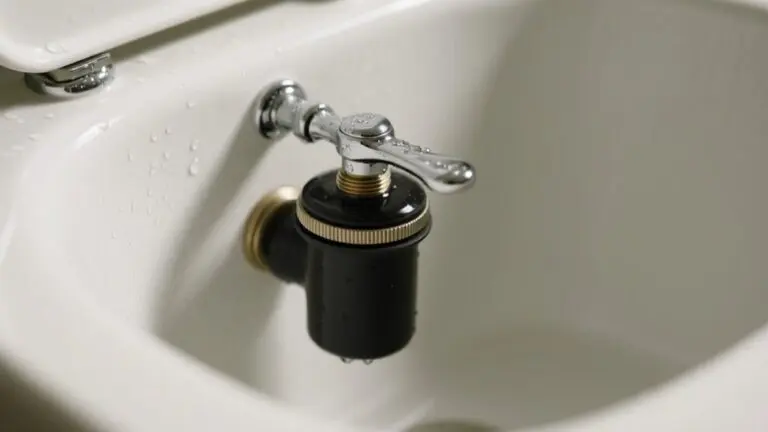
To make your Kohler toilet flush stronger, start by adjusting the water level in the tank to about an inch below the overflow tube using the float arm or fill valve. Inspect the flapper valve for wear and replace it if needed to guarantee a tight seal.
Clean rim holes and the flush valve with vinegar or CLR to remove mineral buildup. Clear the trapway to improve flow. For detailed steps and troubleshooting tips, you can explore further guidance.
Check and Adjust the Water Level in Your Kohler Toilet Tank
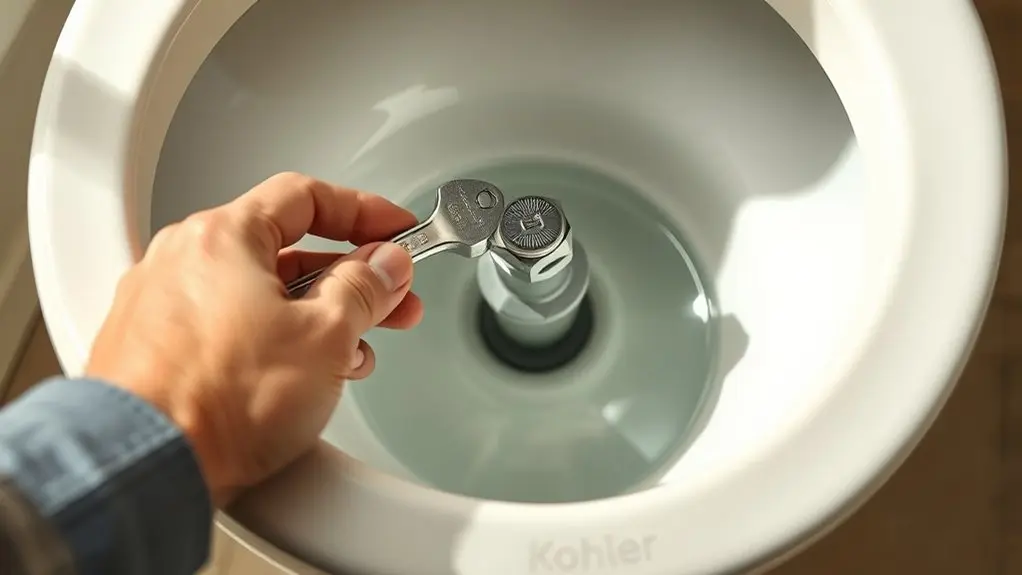
The water level in your Kohler toilet tank directly affects flush strength, so you’ll want to make certain it’s properly set. Typically, a marked line inside the tank indicates the ideal water level, usually about 1 inch below the overflow tube’s top during the fill cycle.
Use a level measuring tool to confirm the water level aligns with the fill valve’s designated mark. If the water level is below this point, adjust the float arm or the fill valve to raise it, ensuring a strong flush.
Regularly inspect and clean the fill valve to prevent mineral buildup, which can impede proper water regulation.
After making adjustments, flush the toilet multiple times to verify the water level supports consistently strong flush performance.
Inspect and Replace the Kohler Toilet Flapper Valve
First, take a close look at the Kohler toilet flapper valve to see if there’s any wear, warping, or mineral buildup.
These issues can stop it from sealing properly and make the flush less powerful. Also, check the chain tension to make sure the flapper lifts all the way without getting stuck.
If you notice any damage or if the flapper isn’t working right, go ahead and replace it.
Just be sure to pick a replacement that’s compatible with your Kohler toilet. Doing this will help get your toilet flushing at its best again.
Flapper Valve Inspection
Inspecting your Kohler toilet’s flapper valve is essential for ensuring a strong flush. It controls water flow and sealing efficiency. A malfunctioning flapper valve disrupts water release, weakening flush power and potentially causing leaks that reduce water efficiency in your plumbing fixtures.
When inspecting, focus on signs of wear, warping, or mineral buildup on the flapper valve. Also, check for proper sealing against the flush valve seat to prevent water leaks. Make sure replacement flapper valves are compatible with your specific Kohler model.
Timely identification of issues helps maintain ideal water levels. Remember, a faulty flapper valve can impact both water consumption and flush strength.
Regular inspection helps maintain plumbing fixture performance and reduces water waste. This ensures your Kohler toilet flushes with maximum efficiency.
Flapper Replacement Steps
After identifying wear or damage during your flapper valve inspection, proceed by shutting off the toilet’s water supply and flushing to empty the tank. Remove the old flapper by detaching the chain and unsnapping it from the mount.
Choose a Kohler-compatible flapper to avoid leaks caused by hard water deposits affecting the seal. Snap the new flapper into place and reconnect the chain, making sure there’s enough slack for unobstructed movement.
Turn the water back on and test the flush. A proper seal reduces water waste and enhances flush strength, using less water efficiently.
| Step | Action | Tip |
|---|---|---|
| 1 | Shut off water and flush | Prevents water spillage |
| 2 | Remove old flapper | Check for hard water buildup |
| 3 | Select Kohler-compatible part | Guarantees proper fit |
| 4 | Install new flapper | Leave slack in the chain |
| 5 | Test flush | Confirm strong seal, less water |
Clean Rim Holes to Remove Mineral Deposits in Your Kohler Toilet
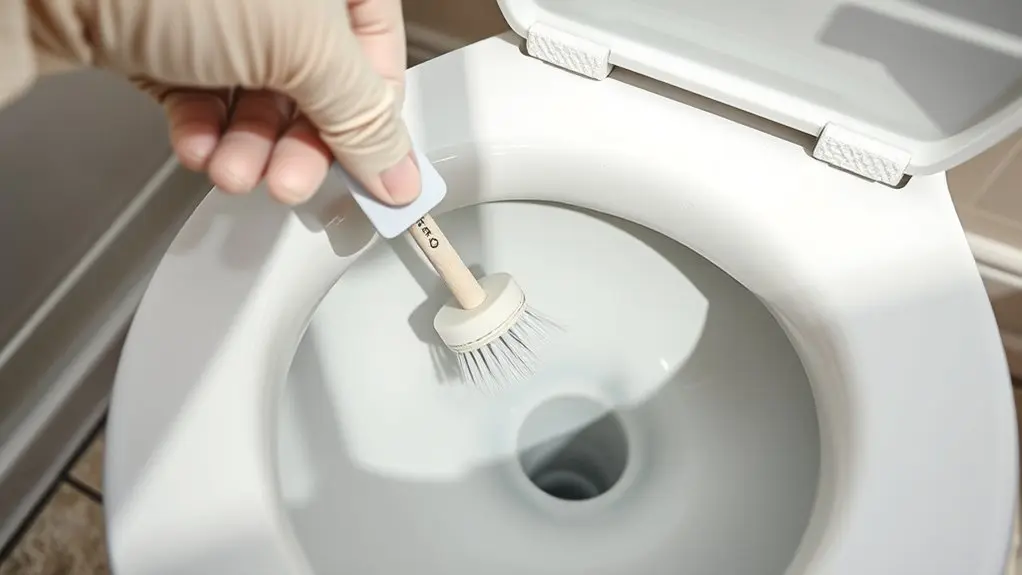
First, take a close look at the rim holes to see if any blockages are slowing down the water flow and making the flush less powerful.
You can use a coat hanger wire or something similar to gently poke through and clear out any mineral deposits that are clogging those holes.
After that, try applying some white vinegar or a specialized cleaner to help dissolve the buildup and get your flush back to its best.
Identifying Rim Hole Blockages
How can you tell if the rim holes in your Kohler toilet are clogged and impairing flush strength? Reduced flushing power often signals blockage caused by mineral buildup from hard water. Inspecting these small holes around the rim is essential to guarantee ideal water flow.
Look for these indicators:
- Uneven water distribution during a flush
- Visible mineral deposits or white crust around rim holes
- Weak or partial flush cycles
- Water trickling slowly rather than spraying forcefully
- Accumulation of debris or scale inside rim holes
Use a coat-hanger wire or cleaning tool to probe each hole carefully. Identifying blockages early lets you plan effective cleaning and restores full flushing performance, preventing costly repairs or water waste.
Effective Mineral Deposit Removal
Why do mineral deposits stubbornly reduce your Kohler toilet’s flush strength? These deposits accumulate around the rim holes, obstructing water flow and weakening flushing performance.
To remove them effectively, seal the rim holes first to maximize contact time of your cleaning agent, such as CLR or white vinegar, which dissolves hard water buildup.
After soaking, flush out loosened deposits.
If blockages persist, carefully use a coat-hanger wire to dislodge stubborn mineral buildup without damaging the rim.
Regularly performing this maintenance prevents future accumulation, ensuring your toilet maintains ideal flush power.
Addressing mineral deposits promptly is essential for sustaining efficient water flow through the rim holes, directly enhancing your Kohler toilet’s flushing strength and reliability.
Tools for Rim Cleaning
Several essential tools can help you effectively clean the rim holes of your Kohler toilet, ensuring perfect water flow and flush strength.
Proper use of these tools prevents mineral buildup that restricts water passage and reduces flushing efficiency.
Coat-hanger wire gently dislodges mineral deposits clogging rim holes.
Muriatic acid can be carefully applied to rim holes, sealing jet holes to clear hard water deposits.
CLR (Calcium, Lime, and Rust remover) is useful in the tank; just follow safety instructions to dissolve buildup.
White vinegar soaks safely break down mineral deposits without harsh chemicals.
Inspection tools help you regularly check rim holes and the gooseneck passageway for debris and blockages.
Using these tools methodically maintains excellent flush performance and prolongs your Kohler toilet’s functionality.
Clear the Flush Valve and Trapway to Improve Kohler Toilet Water Flow
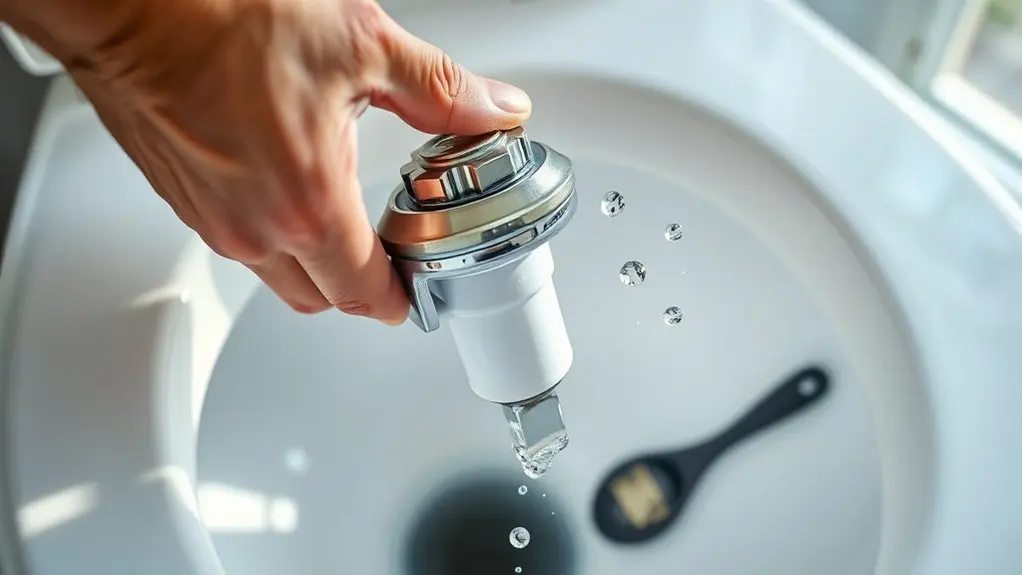
Begin by thoroughly inspecting the flush valve and trapway for any obstructions that restrict water flow and weaken the flush. Use a wet/dry vacuum to remove residual water before disassembling the toilet, minimizing mess during access.
Turn the toilet upside down to examine the gooseneck passageway carefully, checking for blockages that impair flushing efficiency. Clear any debris or buildup found within these components.
Maintaining clear pathways guarantees ideal water flow and stronger flush performance.
Ensuring unobstructed pathways is key to optimizing water flow and enhancing flush strength.
While inspecting, avoid damaging seals or components to preserve system integrity.
Properly clearing the flush valve and trapway is essential for restoring efficient water movement through the bowl, directly improving the Kohler toilet’s flushing power and reliability.
Remove Hard Water Deposits With Vinegar or CLR Safely in Your Kohler Toilet
Applying a measured amount of plain white vinegar or CLR in your Kohler toilet tank effectively dissolves hard water deposits that hinder flushing performance.
Before applying, use a wet/dry vac to remove excess water, minimizing mess and preventing ink transfer from newspapers.
Seal the rim holes when using CLR to concentrate treatment on mineral buildup.
Allow vinegar to soak for several hours or overnight for best results.
Always follow manufacturer guidelines to guarantee safe use of chemical cleaners.
- Remove water from the tank with a wet/dry vac.
- Seal rim holes to target deposits efficiently.
- Apply vinegar or CLR in measured amounts.
- Let vinegar soak for extended periods.
- Adhere strictly to product safety instructions.
Test Your Kohler Toilet’s Drainage and Venting for Optimal Performance
After removing hard water deposits to restore proper water flow, it’s important to assess your Kohler toilet’s drainage and venting systems.
First, verify the tank’s water level is correctly set. Insufficient water compromises flush strength.
Next, test drainage by swiftly pouring a bucket of water into the bowl. Slow or hesitant draining suggests a drain line blockage.
Inspect rim holes and the gooseneck passageway for clogs that restrict water flow.
Clear any remaining deposits with vinegar or muriatic acid to enhance flow.
Finally, make certain vent pipes are free of obstructions. Poor venting can cause slow drainage and weaken flushing performance.
Systematic evaluation and maintenance of these components optimize your toilet’s overall flush efficiency and reliability.
Troubleshoot Common Kohler Toilet Obstructions and Know When to Call a Pro
How do you identify and resolve common obstructions in your Kohler toilet to restore ideal flush performance?
Start by inspecting rim holes and the gooseneck passageway for blockages. These are often caused by hard water deposits that restrict water flow.
Begin by checking rim holes and the gooseneck for blockages from hard water deposits.
Use a coat-hanger wire or CLR inside the tank to clear deposits. Regular maintenance of flush components and ensuring venting and air channels are unobstructed also helps prevent issues.
If you suspect small debris like Lego pieces, use a wet/dry vac to remove water before disassembling parts for access.
Know when to call a professional if problems persist despite DIY efforts or if troubleshooting becomes complex.
- Check rim holes and gooseneck for clogs
- Use CLR or wire to dislodge deposits
- Maintain flush components regularly
- Vacuum out small debris before disassembly
- Contact a pro for persistent or complex issues
Frequently Asked Questions
How Often Should I Perform Maintenance on My Kohler Toilet?
You should perform maintenance on your Kohler toilet at least once a year to guarantee peak function.
Moreover, inspect internal components like the flapper and fill valves every six months to catch wear early.
Clean rim holes and passageways every few months to prevent clogs.
Check the tank’s water level monthly to maintain effective flushing.
Using vinegar or a non-toxic cleaner quarterly helps dissolve mineral deposits, keeping your flush strong and reliable.
Can Using a Different Type of Toilet Paper Improve Flushing Power?
Yes, switching to single-ply or septic-safe toilet paper can improve flushing power by reducing clogs and enhancing water flow.
Studies show that biodegradable papers disintegrate up to 50% faster than thicker alternatives, minimizing blockages.
By choosing a thinner, softer toilet paper designed for efficient breakdown, you reduce strain on your Kohler toilet’s flush mechanism and plumbing.
This results in more reliable, stronger flush performance over time.
Are There Specific Kohler Toilet Models With Stronger Flush Mechanisms?
Yes, you’ll find specific Kohler models with stronger flush mechanisms.
The Class Five and Class Six series offer high-efficiency, powerful flush systems using just 1.28 GPF.
The Cimarron model features an elongated bowl and robust flush design, while Ingenium technology, found in select models, enhances water flow via larger trapways and rim holes.
The Wellworth line provides dual-flush options for versatility, ensuring you get effective waste removal with optimized water use.
How Does Water Pressure in My Home Affect Toilet Flushing Strength?
Your home’s water pressure directly impacts your toilet’s flushing strength. If the pressure is too low, the tank fills slowly and doesn’t supply enough water for a powerful flush.
On the other hand, high pressure speeds up filling but risks damaging internal components, which can cause leaks. Maintaining ideal pressure, typically 40-60 psi, ensures your toilet flushes efficiently without harm.
Regularly check and service your plumbing to keep pressure steady and flushing performance consistent.
Is It Safe to Use Chemical Drain Cleaners With Kohler Toilets?
Don’t put all your eggs in one basket when it comes to chemical drain cleaners and Kohler toilets.
It’s not safe to use harsh chemical cleaners, as they can damage internal parts and pipes.
Instead, opt for safer alternatives like vinegar or CLR to tackle mineral buildup.
Always follow the manufacturer’s guidelines or consult a professional to maintain your toilet’s functionality and avoid costly repairs.
Conclusion
By fine-tuning your Kohler toilet’s components, you’re fundamentally tuning a complex instrument for peak performance. Adjust the water level, replace worn flapper valves, and clear mineral build-up to restore powerful flushes.
Think of your toilet as a well-oiled machine. Each part must work seamlessly to deliver strong, efficient flushing. Regular maintenance guarantees ideal flow and prevents clogs, saving you time and frustration.
If issues persist, don’t hesitate to call a professional for expert assistance.