Why Does My Kohler Toilet Keep Running – Real Reasons
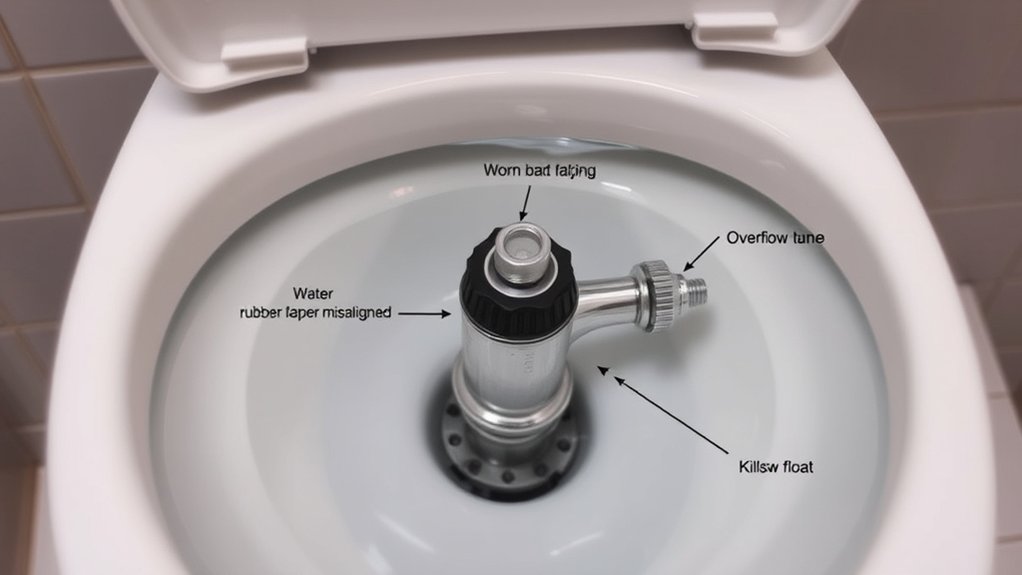
Your Kohler toilet keeps running mainly because of issues in the flush valve assembly, like worn or damaged seals that let water leak continuously. Mineral buildup or misaligned gaskets can also cause water to spill into the overflow tube.
Also, an improperly adjusted fill valve or float can overfill the tank and trigger constant refills. Fixing these problems usually means inspecting or replacing faulty parts and adjusting settings.
Once you understand these causes, it’s easier to troubleshoot and get your toilet running smoothly again.
Common Causes of a Running Kohler Toilet
Although a running Kohler toilet can have several causes, most issues stem from problems within the flush valve assembly. You’ll want to start by inspecting the flush valve seals, as worn or damaged seals often cause leaks that lead to continuous running. Seal replacement is usually necessary to restore a proper seal.
Most running Kohler toilets result from flush valve seal issues that need inspection and often replacement.
Mineral buildup or debris can also prevent a full seal, so thorough tank cleaning is essential to remove deposits that hinder valve function.
Furthermore, check the flush valve gasket alignment. A misaligned gasket can leak water into the overflow tube.
Finally, ensure the trip lever chain isn’t caught or too loose.
Also, verify the tank’s water level isn’t set too high to avoid constant fill valve activation.
These simple checks can often fix the running issue without much hassle.
How a Faulty Flapper or Seal Causes Your Kohler Toilet to Run
When your Kohler toilet keeps running, a faulty flapper or seal is often the culprit because it fails to create a watertight barrier between the tank and bowl. A worn flapper or seal lets water constantly leak into the bowl, triggering the fill valve to reactivate repeatedly.
Flapper warping or seal cracking due to mineral deposits or age distorts their shape, preventing a full closure.
This ongoing leak wastes water and can increase your utility bill. To fix this, you need to inspect these components regularly and replace them when damaged.
- Flapper warping stops a tight seal
- Seal cracking allows water bypass
- Mineral buildup worsens wear
- Partial closure causes continuous fill valve cycling
- Timely replacement prevents running toilet issues
Adjusting Fill Valve and Float to Stop Leaks
Since an improperly adjusted fill valve or float often causes continuous running, you should set the float to stop the water about one inch below the overflow tube’s top. Perform float adjustment by making sure the float moves freely and isn’t stuck. Modify the chain length connected to the trip lever to prevent it from catching on the flush valve, which can cause leaks.
Adjust the fill valve height or screw to set the correct water level and avoid overfilling. Regularly inspect and clean float and fill valve parts to maintain proper function.
| Task | Action | Purpose |
|---|---|---|
| Float adjustment | Set float 1 inch below overflow | Control water shutoff level |
| Mechanism check | Ensure free float movement | Prevent overfilling |
| Chain modification | Adjust chain length | Avoid flush valve catching |
| Fill valve adjust | Change valve height/screw | Regulate water volume |
| Maintenance | Clean float and valve parts | Prevent leaks from debris/wear |
How to Check Water Level and Spot Overflow Signs
How do you determine if your Kohler toilet’s water level is correct or if it’s causing an overflow? First, remove the tank lid and take a good look at the water level. Ideally, it should be about 1 inch below the top of the overflow tube.
Next, check if water is continuously spilling into the overflow tube. This is a clear sign of an overflow issue, and it can happen even without flushing.
Also, take a moment to examine the tank for mineral buildup or debris that might be messing with the float or flapper.
Here’s what you want to keep an eye on:
- Water level approximately 1 inch below overflow tube top
- Signs of water constantly entering overflow tube
- No flushing needed for overflow to occur
- Clean float and flapper to prevent obstruction
- Adjust fill valve screw to lower water level if needed
Doing regular checks under the tank lid helps keep the water level in check and prevents those annoying running issues. It’s a simple step that can save you a lot of trouble down the line!
Simple Fixes and Replacement Parts for Running Kohler Toilets
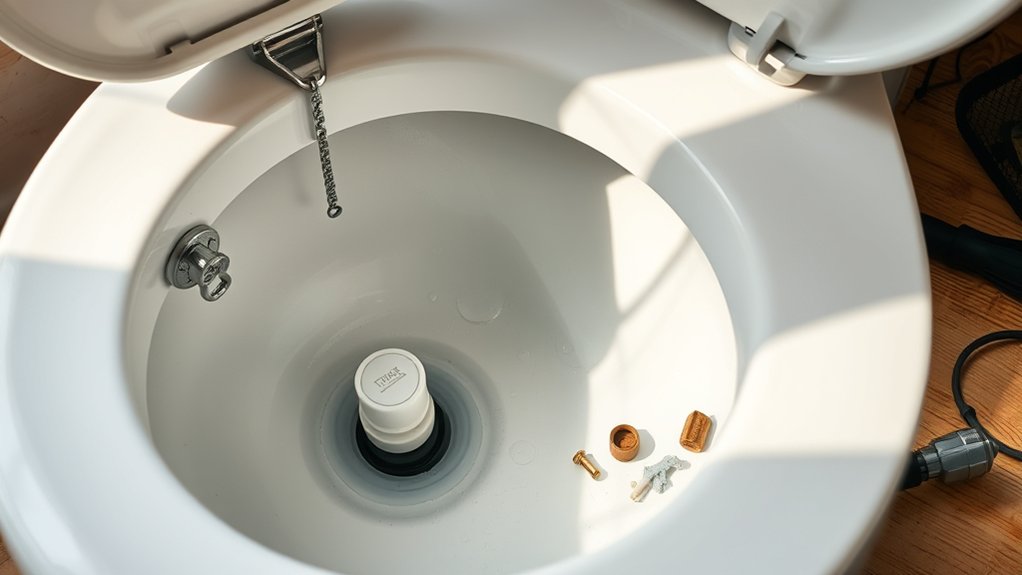
Although a running Kohler toilet can stem from various causes, most issues are resolved by simple fixes like replacing worn flappers or canister seals. Start by inspecting the flush valve gasket. Make sure it’s properly seated and free from damage.
Use manufacturer-recommended replacement parts for the best fit and function. Regular tank cleaning prevents debris buildup that can impair seals and valves.
Adjust the fill valve and trip lever chain to avoid improper flushing. Proper installation and sealing of the flush valve assembly are essential to stop leaks and maintain efficiency.
If persistent problems occur despite these measures, consider a full toilet replacement to guarantee reliable operation. These practical steps help maintain your Kohler toilet’s performance and prevent continuous water flow.
Frequently Asked Questions
How Often Should I Perform Maintenance on My Kohler Toilet?
You should perform maintenance on your Kohler toilet every 6 to 12 months to prevent flushing issues and guarantee ideal toilet cleaning. Regularly inspect and clean the flapper, fill valve, and flush valve to avoid wear and leaks that cause continuous running.
Also, adjust the trip lever chain and water level annually for proper alignment. Sticking to this schedule helps maintain efficient operation and extends your toilet’s lifespan. It also reduces the risk of persistent flushing problems.
Can Hard Water Damage My Kohler Toilet Components?
Yes, water hardness can damage your Kohler toilet components by causing plumbing corrosion and mineral buildup. Hard water deposits create scale that leads to worn seals, stuck flush valves, and impaired trip lever movement.
This corrosion reduces the effectiveness of metal parts inside the tank, causing leaks and continuous running. You should use water softeners or descaling treatments regularly to prevent these issues and prolong your toilet’s functionality.
Taking care of hard water problems early can save you a lot of hassle down the road. It’s worth the effort to keep everything working smoothly!
Are Kohler Toilet Parts Compatible With Other Brands?
Kohler toilet parts generally lack brand compatibility with other manufacturers due to proprietary designs. While some flush valve components like canister seals may offer limited part interchangeability, critical dimensions and connection types often differ.
Using non-Kohler parts risks leaks or malfunctions since flange sizes and mounting mechanisms vary. Always verify exact specifications before swapping parts to guarantee proper fit and function.
This way, you can minimize compatibility issues in your Kohler toilet repairs.
What Tools Do I Need for Kohler Toilet Repairs?
You don’t need a full plumber’s arsenal, just a few essentials for toilet cleaning and flapper replacement. Grab an adjustable wrench, a flat-head screwdriver, and maybe pliers. Because who doesn’t love wrestling with metal?
Keep gloves handy to dodge tank grime and a sponge or cloth for cleaning debris. A towel or bucket is smart for water spills.
These simple tools make Kohler toilet repairs straightforward and efficient.
Can a Running Kohler Toilet Increase My Water Bill Significantly?
Yes, a running Kohler toilet can substantially increase your water bill. Continuous water flow wastes several gallons per hour, which really adds up over time and inflates your costs.
Even minor leaks can cause noticeable spikes in your monthly charges. It’s surprising how much water small drips can waste when left unfixed.
Conclusion
If your Kohler toilet keeps running, don’t ignore it. A stitch in time saves nine. Checking the flapper, adjusting the fill valve and float, and monitoring the water level can quickly pinpoint the problem.
Simple fixes or timely replacement parts will stop leaks and save water. By addressing issues promptly, you’ll avoid costly repairs and keep your toilet running efficiently. Taking these practical steps puts you in control of your plumbing.